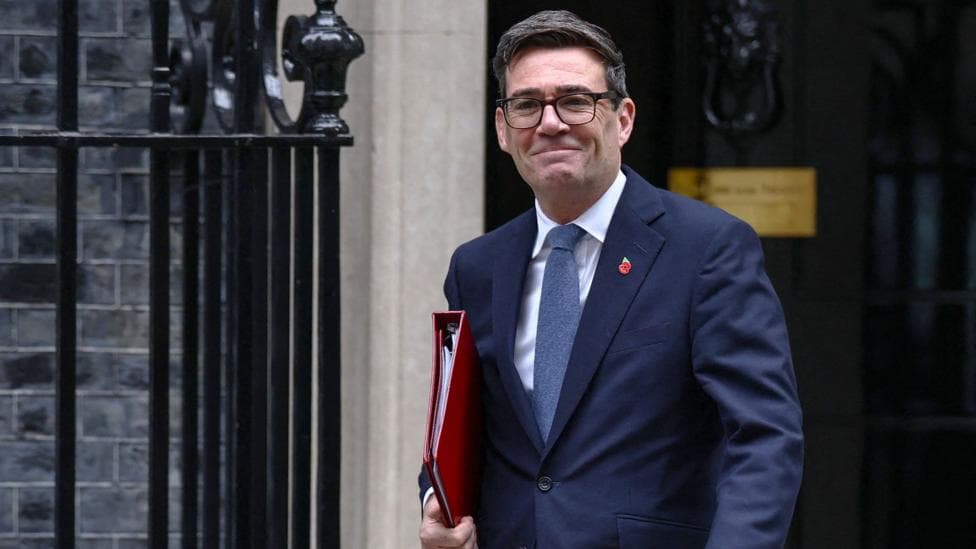
Walk through Parliament these days and one topic dominates conversation among MPs: will there be an early general election? Prime Minister Andy Burnham has nearly three years remaining before he must call one, and he has repeatedly and emphatically ruled out dissolving Parliament ahead of schedule. Yet the speculation persists, with many MPs viewing it as a genuine possibility.
According to BBC News, the discussion intensified following Wednesday's Budget announcement. The timing and content of Chancellor John Healey's fiscal package have fuelled fresh speculation about the government's electoral intentions.
One former Labour minister articulated the suspicion this way:
Why would you sprinkle round a few politically smart (albeit small) giveaways now but delay all the really tough and unpopular decisions on welfare and defence to an autumn spending review if you weren't creating a window for a spring election?Several other MPs have suggested to the BBC that Healey's Budget resembled a pre-election programme designed to boost the government's standing with voters.
The Budget included measures intended to appeal to households struggling with living costs: £100 assistance for many facing energy bills and an extension of VAT cuts on electricity charges. A new Your First Home scheme was unveiled to help younger voters access property ownership. Conservative leader Kemi Badenoch questioned the timing of these voter-friendly measures, noting that some will expire by summer. She suggested this expiration date might indicate Burnham plans to seek a mandate before the benefits end.
Some MPs also highlight Burnham's current popularity and Labour's polling lead. Reform UK, which dominated surveys for an extended period, has encountered difficulties in recent months. The question circulating among backbenchers is whether conditions will ever look more favourable for the Prime Minister than they do now.
What difficult decisions lie ahead?
The Chancellor faces substantial spending pressures that could explain electoral timing calculations. Finding resources to increase defence spending, reducing the welfare bill, and cutting departmental budgets to balance the books represent formidable challenges.
He is delaying all of the bad stuff until after a poll,one Conservative MP suggested. The Liberal Democrats have claimed there is a 30% chance of a general election on 10 December and have placed themselves on a "snap election footing". Reform UK leader Nigel Farage has publicly stated he believes a general election could occur in May.
It is worth noting that predictions of an early election originate largely from opposition MPs, some of whom may have incentives to create political turbulence. However, some Labour MPs have become so convinced an early election is imminent that they have instructed their staff to prepare for one in the first half of next year. An election must be held by August 2029 at the latest.
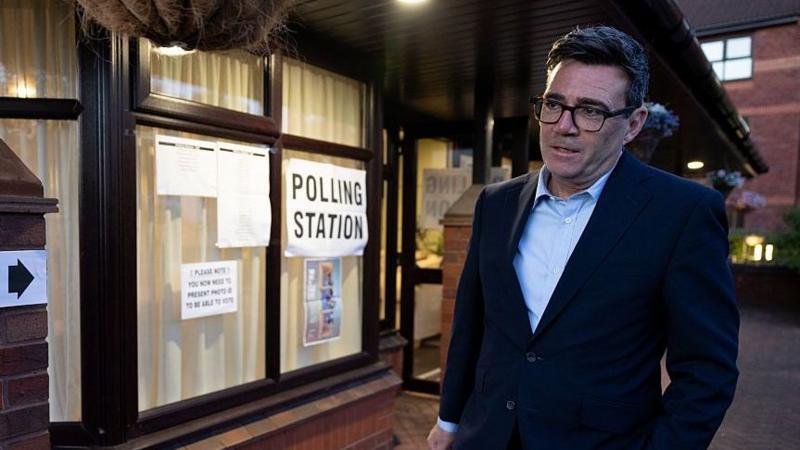
Why might Burnham not call an early election?
Several substantial arguments work against holding an election within the next year. First, Burnham has repeatedly ruled it out in public statements. On Wednesday, he explicitly stated there would not be an election in the next 12 months. On 28 October, Burnham explicitly ruled out calling a general election in the next 12 months, saying he was focused on the public rather than his party's prospects. While politicians can change their minds, one veteran Conservative concluded that reversing course after such emphatic denials would damage "Brand Burnham" irreparably.
Second, despite the Chancellor's cost-of-living giveaways, the broader economic outlook remains bleak. The Office for Budget Responsibility described conditions as "pretty grim". Real Household Disposable Income is forecast to decline in coming months, interest rates are predicted to rise, and Middle East instability creates additional uncertainty. Burnham has pledged a comprehensive rewiring of the British state and plans to unveil a 10-year plan in coming weeks, but without greater detail, some question whether voters possess sufficient information to make an informed judgement.
Burnham has vowed on multiple occasions to deliver the most significant change in British politics in four decades. One former Labour minister detected little evidence of this ambition in the Budget, remarking:
It's not an end to 40 years of neoliberalism is it?Another Labour MP echoed this sentiment:
It was too low key to be an election Budget.A third offered a blunt assessment:
It was a disappointment, a play it safe, keep everything ticking over Budget… crumbs for all. No early general election after that Budget. We would be toast.
What do polling experts say about the risks?
Polling expert Sir John Curtice called an early election a "gamble": Labour's roughly seven-point lead might still leave it short of the 326 seats needed for a Commons majority, and he said the lead would need to hold for about six months before an election call. An Ipsos poll put Labour at 32%, the Conservatives at 24% and Reform UK at 20%. Curtice also noted Labour was down around 14 points in Scotland compared with six points nationally, suggesting regional vulnerabilities that could cost seats.
Some argue Burnham would benefit from securing his own mandate with his own manifesto. Yet given Labour's substantial general election victory last time, many MPs believe Labour will inevitably lose ground. Others contend that if Burnham's government feels compelled to break Sir Keir Starmer's manifesto commitments by raising taxes, it should simply do so rather than hold an election. One Labour MP put it this way:
If we need an election to put up taxes then arguably that's easier to do now with our massive majority than to start an election campaign on the basis that we're calling it in order to put up taxes. People act like a manifesto is a legal document written in blood. Plenty of governments have broken lots of manifesto promises.
Burnham has also promised a detailed plan on social care in England, which remains some distance away. He has not yet determined how far he wishes to take the UK closer to the European Union. There is considerable ground for Number 10 to evaluate.
What do historical precedents suggest?
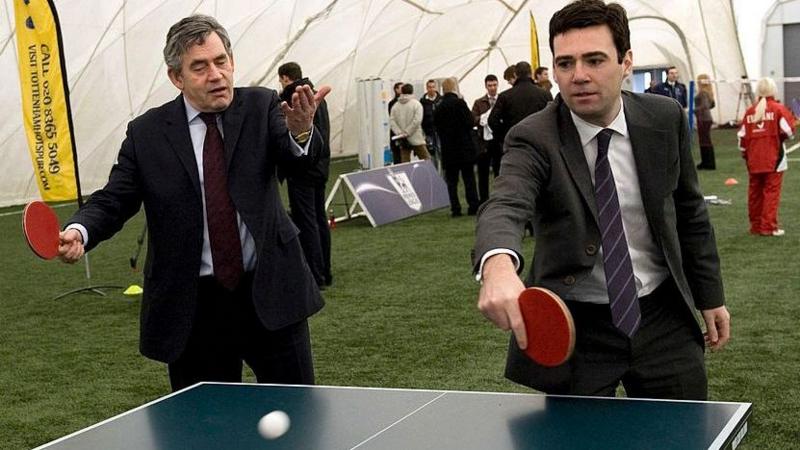
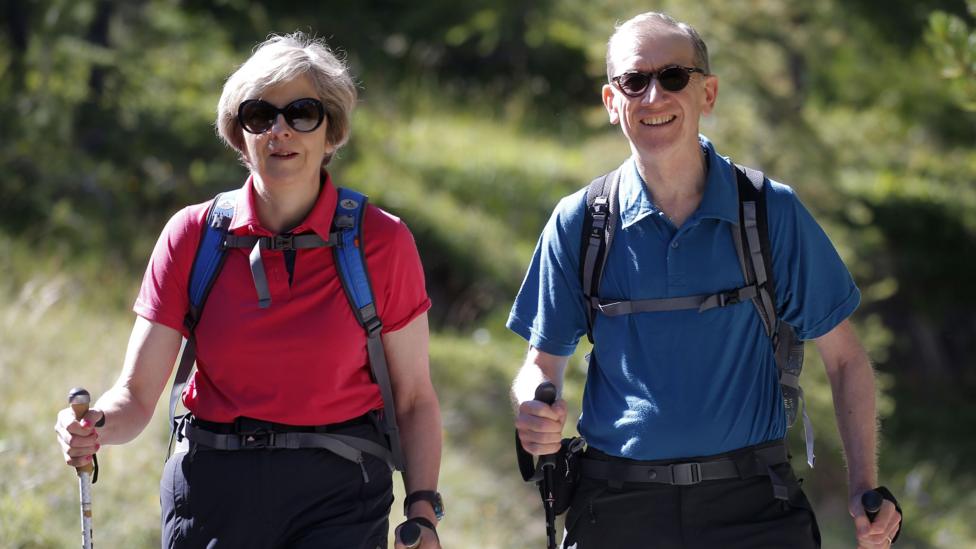
Labour might look back to Gordon Brown, who declined to call an early election when his government was performing well in polls. Had he dissolved Parliament in October 2007, might Labour have remained in power? The answer remains unknowable. However, many will point to Theresa May as a cautionary tale. She opted for a snap general election in April 2017 after deliberating over the decision during a walking holiday in Wales. Despite commanding strong polling leads, the Conservatives lost their parliamentary majority.
Bookmaker Star Sports has adjusted its assessment of electoral timing: the odds of an election in 2026 shortened from 14/1 to 9/1, and the odds of a 2027 election shifted from 15/8 to 7/4 after the Budget. These movements reflect market perception that an early election has become more probable, though still far from certain.
What comes next?
Burnham's explicit commitment rules out an election call during the 12 months following 28 October 2026. The next general election must be held by August 2029. The Prime Minister faces a genuine dilemma: he might be tempted by the prospect of consolidating his position while conditions remain relatively favourable. Yet substantial risks mean the decision would be far from straightforward. The speculation will likely persist until either Burnham calls an election or sufficient time passes that the possibility recedes from immediate consideration.