Demand for tinned goods, radios and torches has surged in UK retail outlets following government guidance on household emergency supplies. This shift towards personal crisis preparation, while novel in Britain, reflects a long-established practice in many nations facing extreme weather, natural disasters and geopolitical tensions. According to BBC News, countries worldwide regularly issue preparedness guidance, with some delivering instructional materials directly to residents' homes.
On 22 October 2026, the UK government launched "Be Ready," the first phase of a three-year campaign encouraging households to prepare for up to three days of disruption caused by severe weather, power cuts and interruptions to essential services. The campaign advises households to check whether they qualify for the Priority Services Register, which helps utility companies identify customers who may need extra support during an emergency. This guidance has prompted conversations globally about how different families and nations approach emergency readiness.
What does emergency preparation look like in practice?
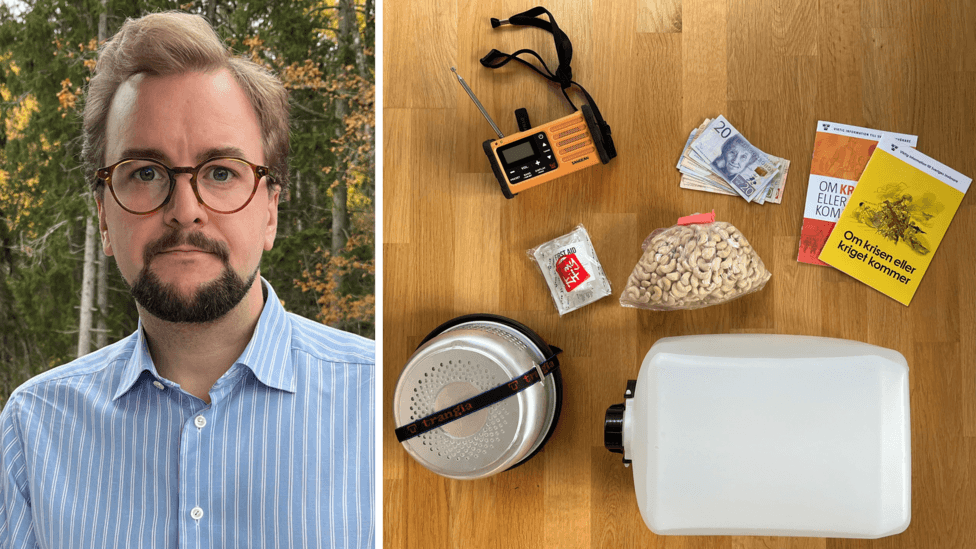
Emergency kits vary significantly depending on local risks and individual circumstances. In Sweden, the government distributed a booklet two years ago detailing what households should stock in case of crisis or war. Sweden's updated "In case of crisis or war" brochure was commissioned in March 2024 as part of efforts to strengthen civil defence and reflect the country's security situation. Andreas Wennerberg, a 30-year-old from Stockholm, received this guidance and built a modest stockpile in his basement containing a crank radio, a tank holding 10 litres of water and approximately €200 (£170) in cash, items he partly already owned.
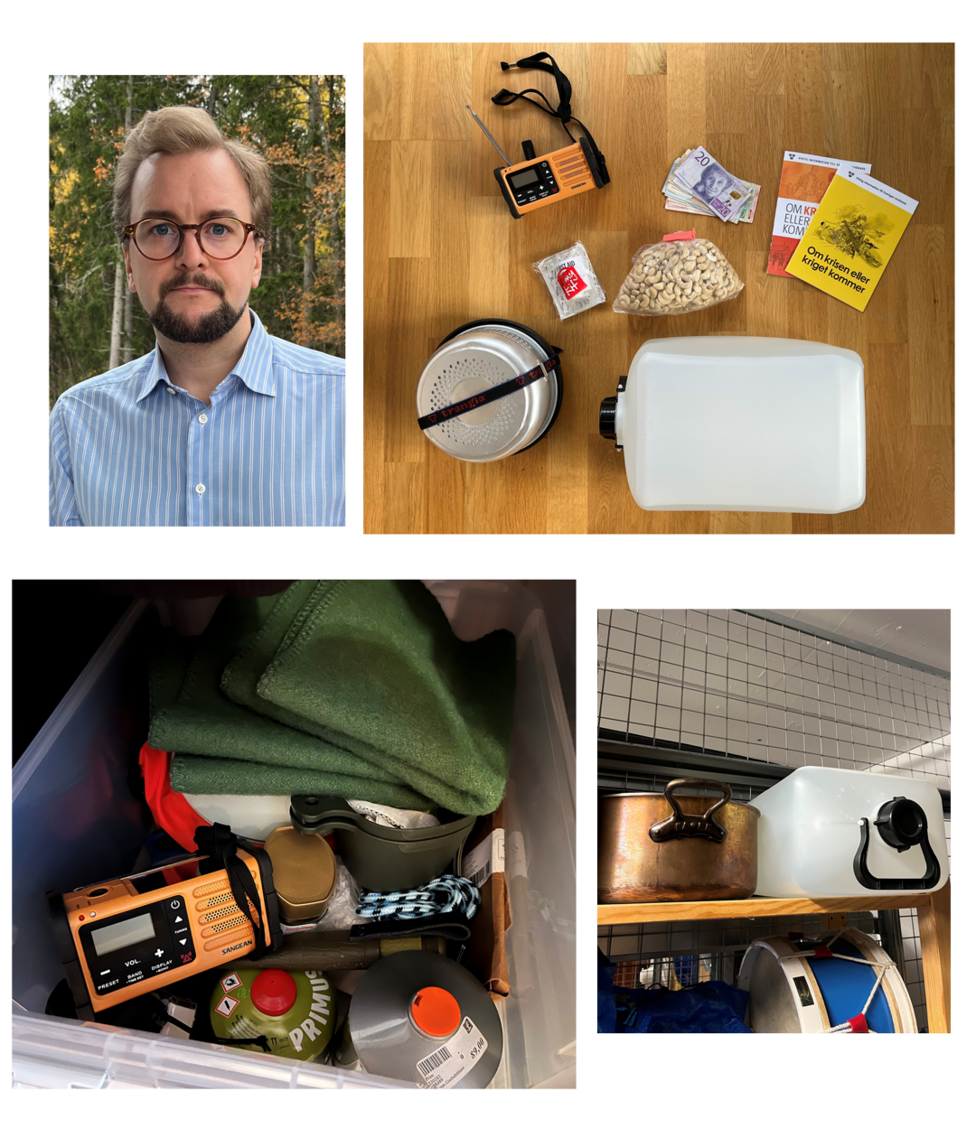
Andreas describes the government booklet as a "wake-up call," though he acknowledges not following all recommendations.
I feel secure… I'm not that worried.His approach reflects a measured response to preparedness rather than panic-driven stockpiling.
In the United States, approaches to emergency planning vary by region and individual circumstance. Dan C, a 38-year-old physiotherapist in Maryland with two children under 10, began assembling emergency supplies after becoming a father. He has invested approximately $6,000 (£4,470) in his basement stockpile, viewing it as part of parental responsibility. A power outage during a particularly cold February several years ago, which left his family without electricity for two days, highlighted gaps in his initial preparations.
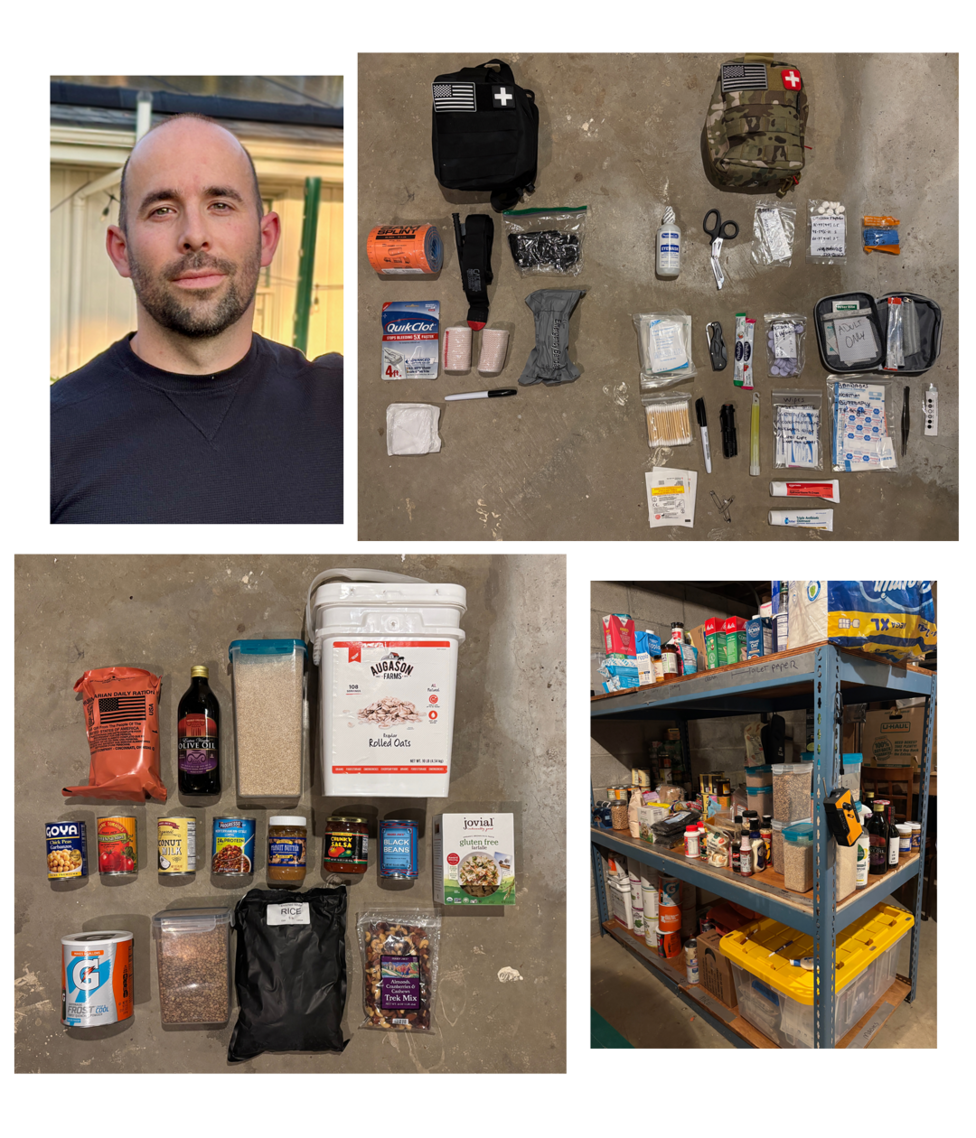
Dan's supplies now include 150 gallons of water stored in soft plastic containers that can be filled and kept in the bath, along with chlorine dioxide tablets for purifying water from natural sources. His "rotating pantry" contains long-life foods such as oats, quinoa and peanut butter, which he regularly uses for cooking and replaces to prevent expiration. For his family of four, he maintains approximately three months of food supplies. Additional equipment includes solar panels, a camping stove, a tent, wood supplies and a propane fireplace insert capable of operating independently of grid electricity or wood fuel. He also maintains extensive medical supplies including bleeding control kits. The Federal Emergency Management Agency advises people to assemble an emergency kit, create a family emergency plan and understand how to respond to different incidents. Dan emphasises that while
there can be a tendency to catastrophiseregarding emergency planning, his approach stems from being a "responsible homeowner."
Japan's experience with natural disasters has made emergency preparedness a routine practice. Ayumi T, a 27-year-old university employee living in Tokyo, has maintained an emergency bag for years to prepare for earthquakes, typhoons and extreme heat. Following the 2024 earthquake that killed hundreds and caused extensive damage to Japan's Noto Peninsula, she significantly expanded her supplies. Tokyo's government provides a 68-page disaster prevention guide detailing what to include in emergency kits and how to respond to specific emergencies.
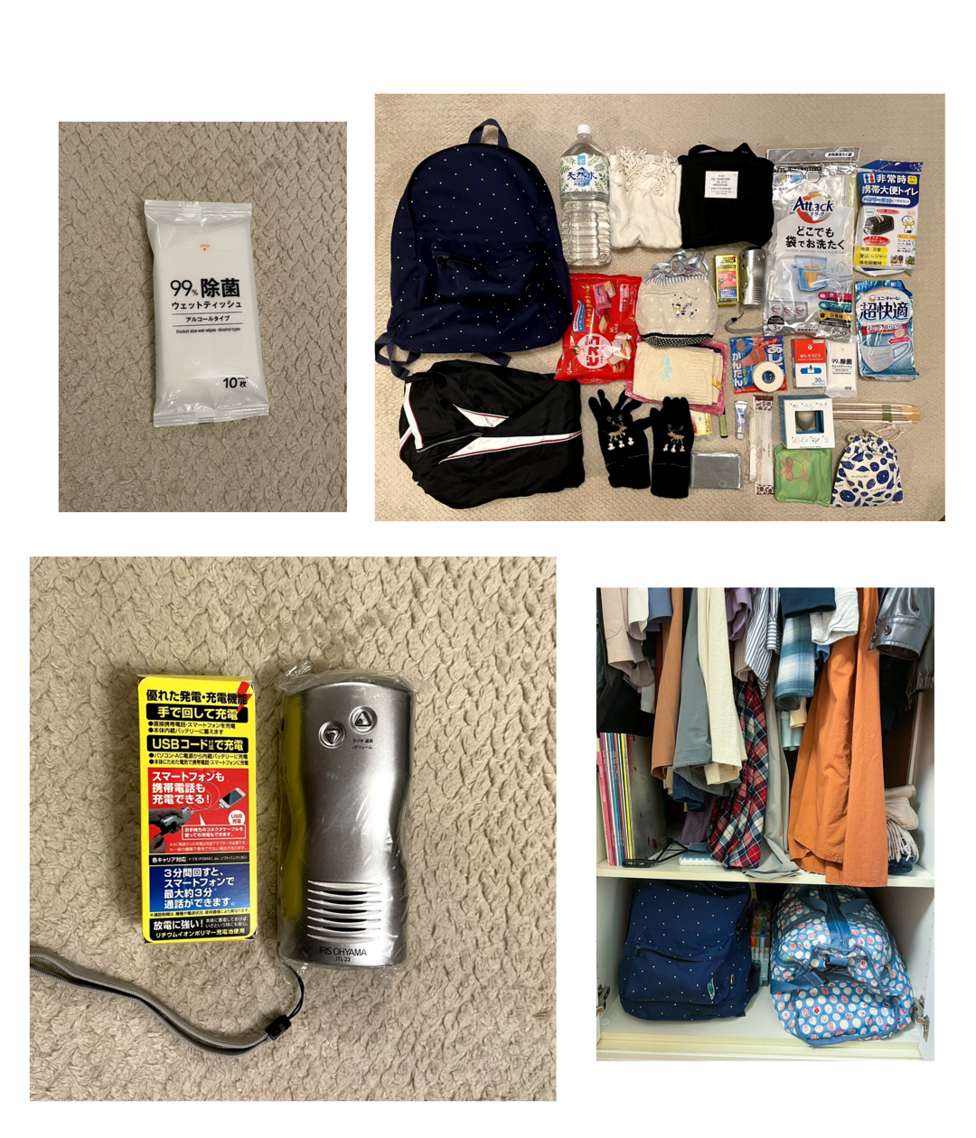
Ayumi keeps her emergency rucksack in her wardrobe, containing clothes, towels, menstrual products, disposable chopsticks, sticky notes, disposable masks and a portable toilet similar to those used by hikers.
A lot of it is old stuff I don't use anymore,she notes. Her family conducts annual reviews of their kits each new year, replacing expired food and updating contents as necessary.
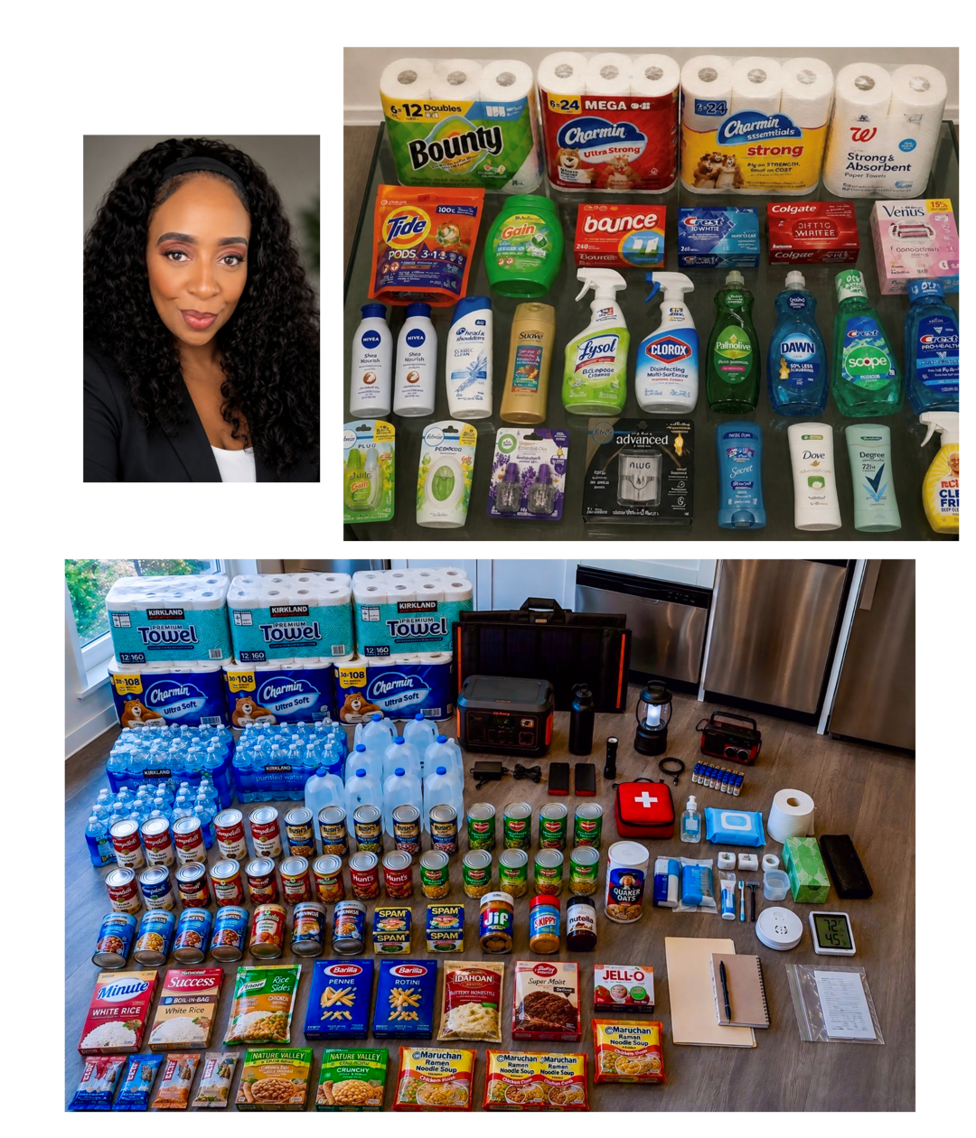
Nicole Bonds, a 48-year-old leadership coach in Atlanta, has increasingly focused on emergency preparedness over the past five years. She attributes this shift to observing "significantly more and more" severe weather patterns and storms globally, combined with concerns about inadequate preparedness. Her personal motto is "don't panic, be prepared." Nicole has accumulated cleaning and hygiene products, batteries, power banks, first-aid supplies, rechargeable fans, blankets and sleeping bags. To manage costs, she purchases supplies gradually in small quantities from various retailers, storing items under her bed, in packing bags and kitchen cabinets.
Michael Stuut, a 39-year-old living in Hoorn in the Netherlands with his wife and five-year-old son, faces unique circumstances given his location below sea level. He worries about both extreme weather and potential conflict. Michael maintains substantial power equipment and food supplies, including a Starlink Mini satellite device for internet access. He stores supplies in his attic and a crawl space beneath the house, which contains approximately 120 litres of water, cash, a first-aid kit and a generator. Earlier in 2026, Michael developed an app to track his food supplies and monitor expiration dates.
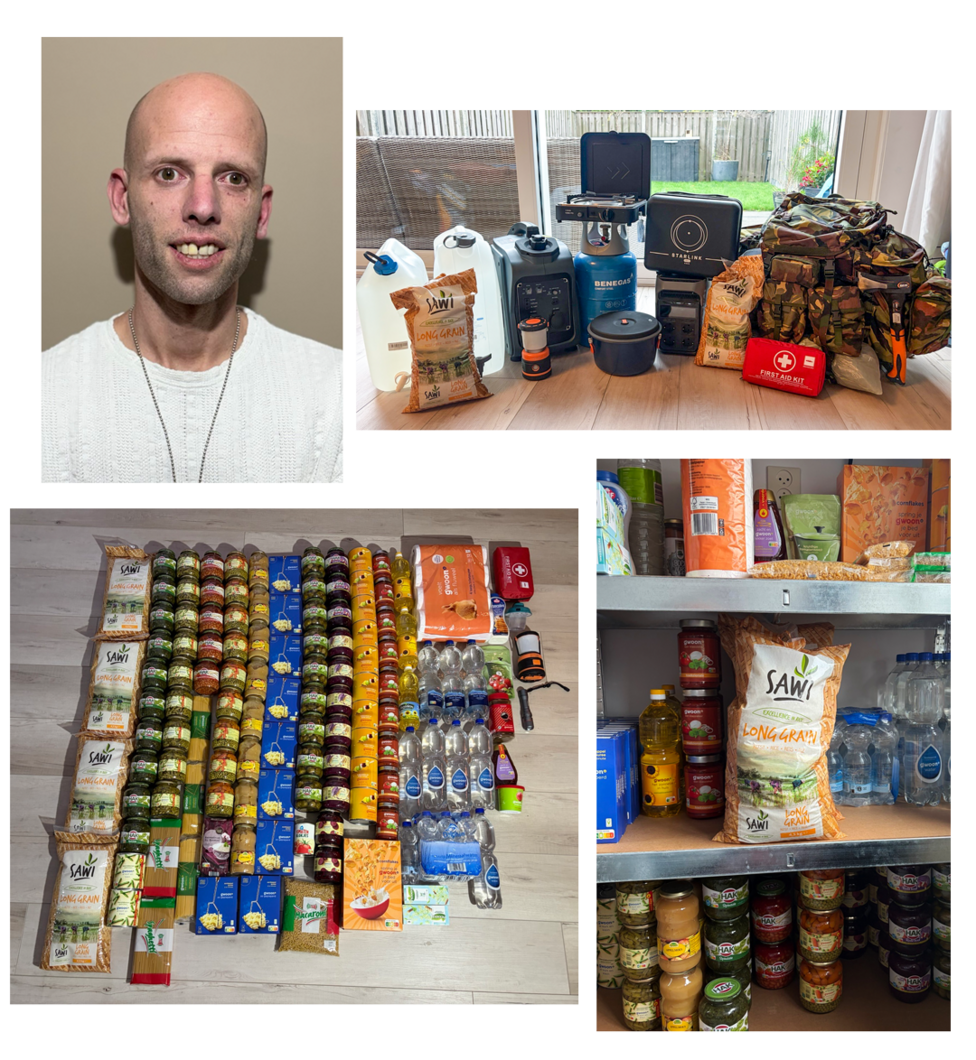
Being prepared isn't about panic,Michael states.
It's about being the calm one when the lights go out.In late 2025, Dutch authorities launched a campaign instructing households to maintain 72 hours' worth of supplies, similar to UK guidance. Initially, Michael's wife questioned the necessity of extensive preparations, but she now recognises their importance. The couple has explained their supplies to their young son as provisions for occasions when they prefer not to shop, avoiding unnecessary alarm.
How do different countries approach emergency guidance?
Government-issued preparedness guidance reflects each nation's specific risks and security concerns. Sweden's approach emphasises civil defence in response to its geopolitical situation. The UK's newly launched campaign represents a significant shift in national emergency preparedness strategy. The UK checklist recommends approximately three litres of drinking water per person per day, in addition to water for cooking and washing. The government's advice also includes writing down important phone numbers and medication details in case phones or internet services become unavailable.
Michael Stuut expresses scepticism about the three-day recommendation, yet recognises its broader value.
Every household that has a few basic things at home makes it easier for the emergency services to help the people who need it most.This perspective highlights how individual preparedness contributes to collective resilience during crises.
What happens next with UK preparedness efforts?
The UK's "Be Ready" campaign is planned as a three-year initiative aimed at gradually building household preparedness across the nation. The government's announcement does not specify a later decision date or milestone for evaluating the campaign's effectiveness or adjusting its approach. This extended timeline reflects recognition that sustainable behaviour change requires sustained messaging and support rather than one-time announcements.