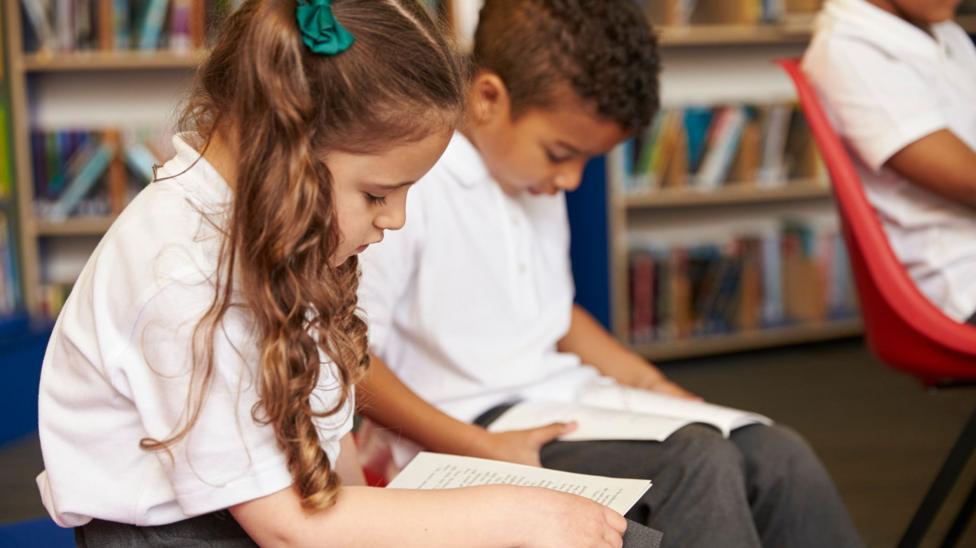
England's schools will be required to establish dedicated time for students to engage with reading for enjoyment, under curriculum reforms unveiled by Education Secretary Lucy Powell. Primary schools must allocate time every day for children to read, while secondary students will receive weekly opportunities to focus on complete books, poems and literature, according to the Department for Education (DfE). The changes form part of a broader effort to reverse what Powell describes as a "ticking time bomb" of declining literacy rates affecting young people across the country.
According to BBC News, Powell is set to present these plans to Parliament on Monday as part of a larger curriculum overhaul. The initiative aims to combat both falling reading standards and what the DfE characterises as the "battle for attention with mindless scrolling". This reading initiative complements existing measures: schools are already implementing stricter phone policies that prevent students from accessing devices during the school day entirely.
The government has identified reading enjoyment and daily reading levels as persistently low, particularly among disadvantaged children and boys. Year 8 students will be subject to a mandatory reading check designed to identify those requiring additional support. The DfE has established an ambitious new target to halve the reading disadvantage gap by 2035, alongside a goal to ensure at least 80% of students achieve their expected reading standard.
In 2025, 75% of pupils met the expected reading standard at the end of primary school, with 78% of girls and 72% of boys reaching this benchmark. These figures underscore the persistent gender gap in reading attainment that the government seeks to address.
Why is reading for pleasure being prioritised?
Powell has emphasised that reading fluency serves as a foundation for lifelong learning and unlocks access to every subject within the school curriculum. She stated:
"Across the world, we are seeing a ticking time bomb for our future generations, as reading and literacy levels are falling with too many children seeing reading as a chore or missing out altogether. Reading fluently is the gateway to lifelong learning, opening up every subject in school and creating opportunities throughout life."
The broader curriculum changes follow two reviews that identified increasing disengagement among pupils during their early teenage years, a trend linked to declining attendance and academic achievement. The government says the curriculum will slim down overcrowded content and sequence learning more effectively, creating more room for deeper understanding and richer experiences.
What other curriculum changes are being introduced?
Secondary schools have been instructed to cease teaching GCSEs before Year 10, a measure designed to foster a "richer, more engaging" experience during Key Stage 3. This represents the first comprehensive curriculum reform in over a decade, following the 2010 changes introduced by former Conservative Education Secretary Michael Gove, which emphasised engagement with "core knowledge" of facts and principles.
The curriculum overhaul represents a significant shift in educational philosophy. The government is directing secondary schools to stop teaching GCSEs before Year 10, transforming Key Stage 3 into a distinct phase focused on engagement and breadth rather than exam preparation.
What do experts say about reading for pleasure?
Children's author and former school librarian Sue Wallman has highlighted the importance of creating supportive environments for reading. She told BBC Radio 4's Today programme:
"I think it's very difficult and students who have never been read to just do not have the association between reading and relaxation and comfort. They find it very hard, they panic when they have to read out loud."
Wallman stressed that children require comfortable, relaxed spaces where they can discover books at their own pace over extended periods. This perspective aligns with broader research on reading engagement, which has shown that daily reading for pleasure among UK children dropped from 39% in 2012 to 25% in 2025, though social media has emerged as a tool aiding book discovery among teenagers.
When will these changes take effect?
The full National Curriculum is scheduled for publication later in 2026. The Year 8 reading check is reported to commence in September 2028, providing schools with time to prepare for implementation of the new assessment requirements.
Key Facts
- Primary schools must allocate daily reading time; secondary schools must provide weekly reading time for students
- Year 8 students will undergo mandatory reading checks to identify those needing additional support
- The government targets halving the reading disadvantage gap by 2035 and achieving 80% of students meeting expected reading standards
- Secondary schools are prohibited from teaching GCSEs before Year 10 as part of broader Key Stage 3 reforms
- The full National Curriculum will be published later in 2026, with Year 8 reading checks beginning in September 2028