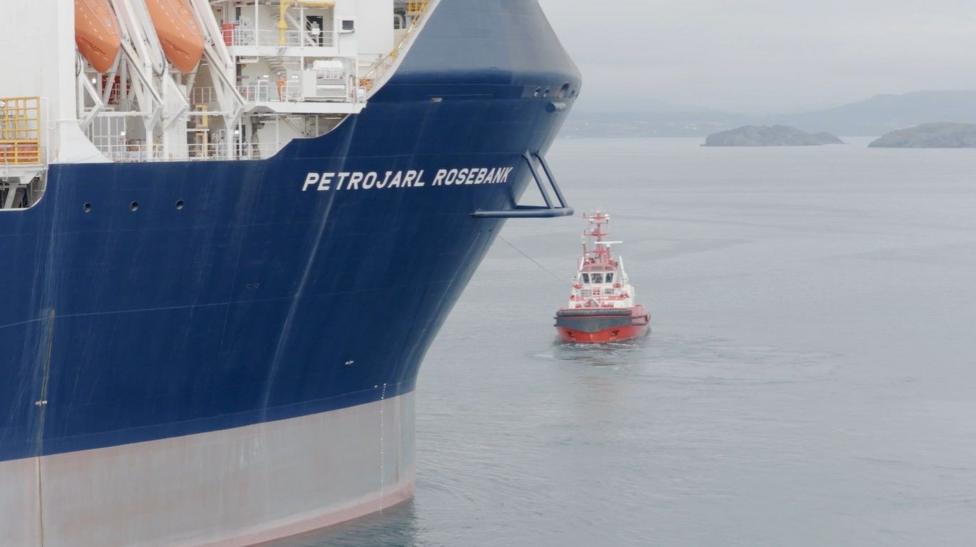
A public consultation on the disputed £8.7bn Rosebank oil field off Shetland closed on 17 August 2026, moving the project a step closer to a final government decision. The industry regulator, the Offshore Petroleum Regulator for Environment and Decommissioning (OPRED), is reassessing revised applications for both Rosebank and the Jackdaw gas field after a court found their original approvals had been unlawfully granted. Energy Security Secretary Miatta Fahnbulleh will ultimately sign off on the outcome once OPRED completes its review.
According to Adura, the Rosebank consultation formally opened on 16 July 2026 and its closure represents a required regulatory step before production can begin. A government public notice confirmed 17 August 2026 as the closing date for representations, with submissions accepted under reference number ES/2022/001 by email or post to OPRED's Aberdeen office, according to a government public notice. The same notice stated that responses may be published on GOV.UK, with personal details redacted.
What are supporters and opponents arguing?
Campaigners and industry figures have used the final days of the consultation to press their case. Environmental group Uplift, which brought the successful legal challenge against the original approvals, points to recent extreme heatwaves and wildfires as proof that expanding drilling will worsen the climate crisis.
Isobel Reid of Uplift urged the government to reject the revised applications outright.
The prime minister must take urgent steps to deal with the root of the problem - burning fossil fuels is what feeds climate change.
Adura chief executive Neil McCulloch countered that oil and gas will remain necessary for years and that producing them domestically, rather than importing them, would generate substantial tax revenue. He described Rosebank as being of relatively minor significance set against global production levels, but argued it would matter greatly for employment in north-east Scotland. McCulloch said he believed the balance of advantages favoured approval.
The ball is back now in the government's court.
How did the legal dispute arise?
Rosebank and Jackdaw, located roughly 150 miles east of Aberdeen, were originally approved under the previous Conservative government, and construction has already progressed substantially. In 2024, a legal challenge at the Court of Session in Edinburgh argued that the original consents were granted without properly weighing the climate impact of burning the fuels eventually extracted. A judge agreed, ruling the approvals unlawful and ordering OPRED to reconsider, while allowing preparatory work to continue provided actual production did not begin before a fresh decision was reached.
Rosebank is thought to hold up to 300 million barrels of oil equivalent and could produce around 69,000 barrels a day at peak output, most of it oil destined for European refineries before sale on the open market. A new environmental impact assessment estimated the field's lifetime output would generate roughly 250 million tonnes of greenhouse gases - equivalent to about two-thirds of the UK's total 2024 emissions. Adura, which produced that assessment, argues the emissions are "not significant" because domestic extraction would largely displace imported oil rather than add new emissions to the atmosphere.
How is the government responding to the pressure?
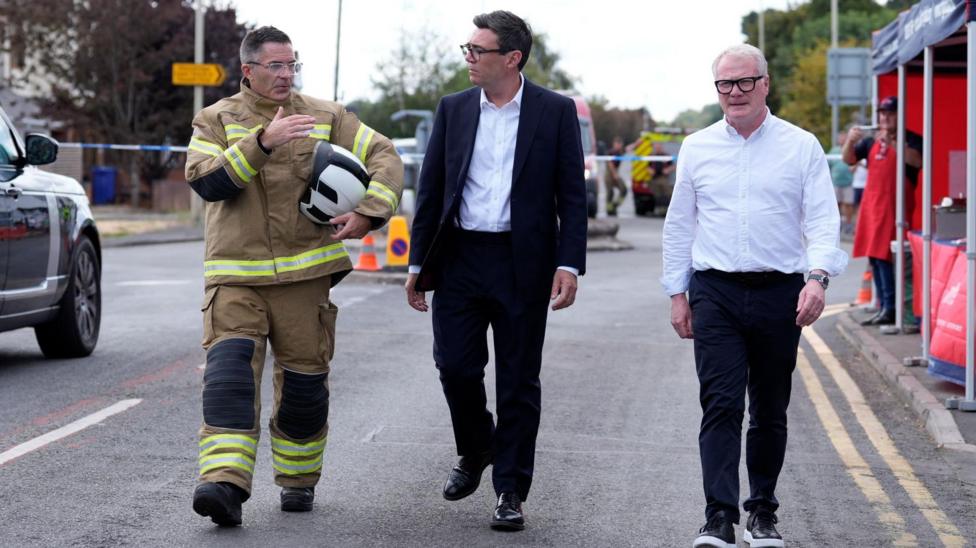
Prime Minister Andy Burnham faces competing demands over how to handle both fields. Visiting residents affected by a wildfire in Stourbridge, in the West Midlands, he said adaptation to a changing climate - including greater aerial firefighting capacity - needs more attention, while also insisting on a pragmatic approach to domestic oil and gas production.
We won't be able to stop using oil and gas for some time. That's just a fact. The question is whether we can accelerate use of it so that we pay for the transition.
Our earlier coverage noted that Burnham faces conflicting pressure from environmentalists, unions, industry figures and even the US president over North Sea drilling policy as the consultation deadlines approached. Adura's McCulloch had also previously warned that failing to approve Jackdaw could leave the UK exposed to a winter gas shortfall, arguing the field could supply around 6% of the country's gas needs.
What happens next?
The Jackdaw consultation closed the previous week, and OPRED is now expected to review all submitted responses from both processes before ministers take a final decision, according to Adura. No formal timetable has been set for that decision, though the operator has said a swift ruling could allow Jackdaw to begin producing gas by winter. A GOV.UK project page for Rosebank likewise lists 17 August 2026 as the closing date for further-information representations, indicating that the next regulatory milestone will follow shortly after, according to GOV.UK's Rosebank development page.
Earlier reporting had also noted that OPRED considered a screening direction for Rosebank in March 2026, which explicitly barred extraction from beginning under that stage of the process, according to a redacted OPRED screening document. A trade publication separately described Rosebank as Britain's largest undeveloped oil and gas field and noted that the most recent consultation period ran for three weeks, according to Drill or Drop.
Our earlier coverage has tracked the broader dispute over the two fields, including what could come next for Rosebank and Jackdaw as the consultations closed, and warnings from experts that new North Sea developments could undermine global climate targets by encouraging continued fossil fuel use elsewhere.
Key Facts
- The Rosebank consultation closed on 17 August 2026, having opened on 16 July 2026.
- Rosebank could hold up to 300 million barrels of oil equivalent, producing about 69,000 barrels a day at peak.
- A fresh environmental impact assessment estimates lifetime emissions of about 250 million tonnes of greenhouse gases - roughly two-thirds of the UK's 2024 total emissions.
- The Jackdaw consultation closed the previous week, and OPRED will review both sets of responses before a ministerial decision.
- No official timetable has been set, though Adura says a fast decision could allow Jackdaw to produce gas by winter 2026.