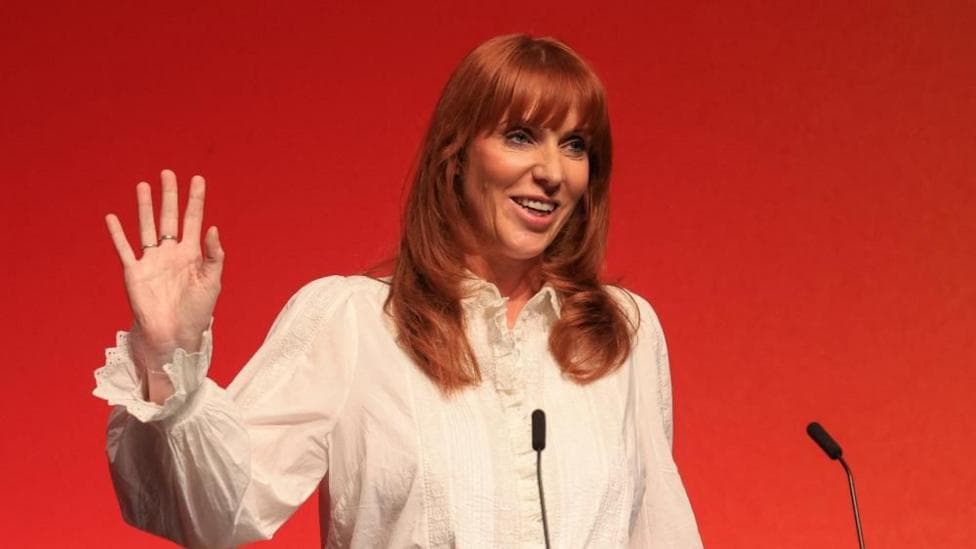
Angela Rayner announced sweeping new protections for leaseholders at Labour's annual conference, pledging to establish an independent regulator to oversee property agents and introducing legislation to cap administrative charges that have long frustrated homeowners.
The housing secretary told party activists that the government would legislate for a new independent watchdog and launch a consultation to set limits on what she described as "rip off" administrative fees. These measures would affect an estimated five million leaseholders across England and Wales who currently face the prospect of paying landlords for routine modifications to properties they have purchased.
Rayner highlighted specific examples of excessive charges that leaseholders encounter. She cited cases where homeowners had been charged £250 simply to own a pet and £400 to replace their front door. She characterised those affected as "powerless against the vested interests that only take, while giving nothing back in return".
What is the government's broader leasehold reform strategy?
The government is pursuing a comprehensive overhaul of leasehold arrangements through the Commonhold and Leasehold Reform Bill, which aims to replace the current system with a commonhold model where residents collectively own and manage their buildings. The current leasehold structure, which Labour's 2024 election manifesto described as "feudal", requires leaseholders to own the right to occupy a property via a lease for a limited number of years from a freeholder or landlord who owns the underlying land. The draft Bill, published on 27 January 2026, proposes capping existing ground rents at £250 annually, reducing them to a peppercorn after 40 years, and abolishing forfeiture.
Rayner's latest announcement targets the network of management companies that operate between leaseholders and their effective landlords. She acknowledged that the sector contains many legitimate businesses but argued they were "undermined by far too many cowboys, crooks and con artists". She contended that people excited about purchasing their own homes are "tricked" into using in-house services, allowing "vultures" to exploit them "with no transparency or accountability".
How will the new regulator function?
The independent watchdog would establish codes of practice covering standards of conduct and proper complaint handling for regulated property agents. Property agents would be required to obtain a licence to operate, and the government confirmed that agents would need appropriate qualifications as well as a licence under the planned regulatory system. The regulator would have the power to revoke licences from those who breach required standards. The government has not yet clarified whether estate agents would fall within the regulator's remit.

The government stated it intended to bring forward these changes "as soon as possible". A parliamentary committee had previously called for an independent regulator for property managing agents, citing poor service by major firms including FirstPort.
What fees will be capped?
New legislation will grant the government power to impose caps on permission and administration fees that leaseholders pay to landlords. The planned fee caps would cover charges for requests such as keeping a pet or making minor property changes, as well as fees for documents such as building safety certificates and notifications of a mortgage-provider change. These caps will apply to freehold estates and privately managed estates where residents can face additional charges for making cosmetic alterations to their properties and requesting documentation.
A public consultation will be launched to determine the appropriate cap levels, though the government has not yet announced a date for this consultation. This initiative builds on an already-announced £250 annual cap on ground rents paid by leaseholders in England and Wales, which had stalled during the change of prime minister over the summer. The government expects the ground rent limit to come into force in late 2028, though MPs have called for this deadline to be brought forward to late 2027.
Rayner stated she was "capping and then scrapping" ground rents, suggesting she may pursue measures beyond a simple cap. The government plans to introduce a substantially amended Commonhold and Leasehold Reform Bill in autumn 2026.

What other housing measures did Rayner announce?
Rayner outlined additional housing initiatives beyond leasehold reform. She announced plans to strengthen council powers to take over empty homes to address the need for council housing and tackle homelessness. However, the Conservative opposition criticised this as a "desperate" attempt by Labour to meet its housing target.
Notably absent from Rayner's speech was any mention of the government's housing target of building 1.5 million homes in England by the next election. Earlier this month, she admitted there was only a "slim chance" of achieving this goal. Last week, ministers announced a new Your First Home policy to assist first-time homebuyers in England with a deposit of 2.5%, mirroring the Help To Buy scheme introduced under the Conservatives in 2013.
Key Facts
- An estimated five million leaseholders in England and Wales will benefit from new protections against excessive fees and unregulated property agents.
- The government will establish an independent regulator requiring property agents to obtain licences and meet qualification standards, with powers to revoke licences for breaches of conduct standards.
- New legislation will enable caps on permission and administration fees, with a public consultation to determine appropriate cap levels.
- The £250 annual ground rent cap is expected to come into force in late 2028, with a substantially amended Commonhold and Leasehold Reform Bill planned for autumn 2026.
- The reforms form part of a broader effort to replace the current leasehold system with a commonhold model where residents collectively own and manage their buildings.