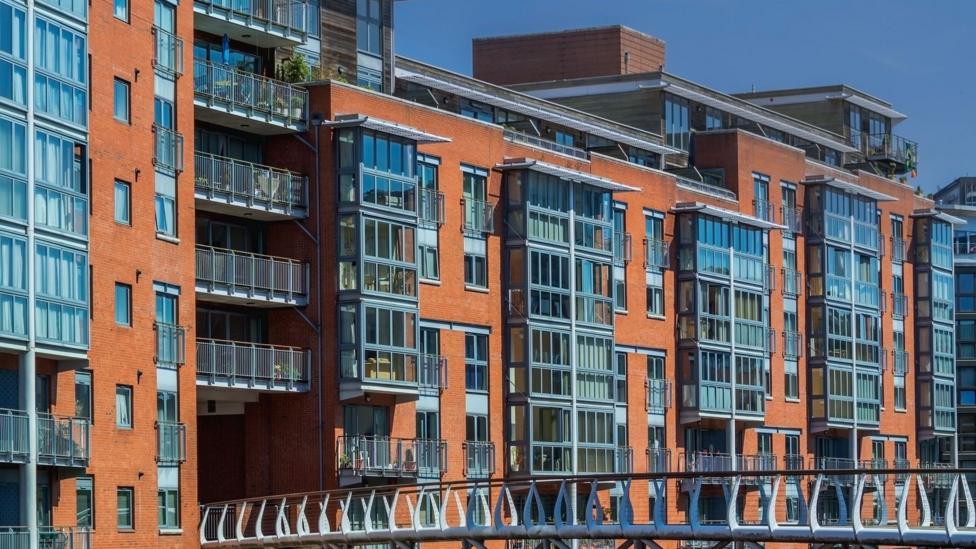
The government plans to introduce legislation dismantling the leasehold ownership model for flats across England and Wales, replacing it with commonhold arrangements where residents collectively own and manage their buildings. Under the proposals, most newly constructed leasehold flats will eventually be prohibited, and ground rents—the annual fees paid by leaseholders to freeholders—will be capped at £250 per year from 2028, then reduced to a nominal "peppercorn" rate after 40 years. According to BBC News, the Commonhold and Leasehold Reform Bill will be published on Thursday, though the measures will not become law until at least next year.
Housing Minister Matthew Pennycook characterised the existing leasehold system as "blighting lives" and an "anachronism in the 21st century". The government said on 18 November that the bill would also end leasehold forfeiture for small unpaid charges and replace it with a proportionate enforcement system, while stopping certain administration fees and making lease extensions and freehold purchases cheaper and easier. The ground-rent cap would affect up to one million leaseholders.
The reforms follow years of campaigning by leaseholders frustrated with the system. More than 1,000 leaseholders have contacted the BBC over the past two years with complaints about the current arrangement. The government's proposals aim to align England and Wales with international practice, as systems based on shared ownership and collective management—such as commonhold—are already standard in Australia, New Zealand, the United States, Canada and much of continental Europe. Scotland does not operate leasehold tenures, while Northern Ireland has only a handful of leasehold properties.
Why is the leasehold system controversial?
The leasehold model grants buyers the right to occupy and use a property for a set period, but the freeholder retains ultimate ownership of the building and the land. This arrangement differs markedly from most other countries, where purchasing a home includes ownership of the underlying land.
Fozia Malik, who lives in a one-bedroom flat in Oldham, illustrates the frustrations many leaseholders face. Her ground rent is rising from £150 to £300 in January, on top of service charges exceeding £4,000 annually. Her building has experienced fire safety issues and escalating costs, with the managing agent attributing the service charges to uncontrollable expenses and high insurance premiums related to fire safety deficiencies. Despite these challenges, Malik describes leasehold ownership as a
"continuous torture cell"and says she would
"never"purchase a leasehold flat again. When she acquired her property, she assumed the system would function as it does in Pakistan, where she grew up, and in most other nations, where homeownership includes a stake in the land.

The Residential Freehold Association, representing the UK's largest freeholders, has strongly opposed the reforms. A spokesperson warned that £18.7 billion
"could be wiped out from investments overnight", noting that property investors—often including pension funds—have invested £15 billion in residential ground rents. The association characterises the plan as an
"unprecedented abuse"of their rights.
What about existing leaseholders?
Campaigners have welcomed many of the proposed reforms but raised concerns about the millions of people who already own leasehold homes. While the legislation is expected to reshape ownership for new developments, converting existing leasehold buildings into commonhold is considerably more complex, creating anxiety that current leaseholders will be left behind.
Giles Grover, from the campaign group End Our Cladding Scandal, warns of the risk that the proposed changes will establish
"a two-tier system of those buying new homes and existing leaseholders". Grover began campaigning on behalf of flat owners following the Grenfell Tower tragedy and questions whether
"the measures that are being introduced actually benefit everyone".

The government has committed to making it easier for existing leaseholders to convert to commonhold and improving transparency around service charges. Pennycook states the reforms will transform
"the experience of homeownership for existing leaseholders by giving them greater rights and protections and providing them with easy and effective escape routes". However, the critical question of how existing leaseholders can transition into commonhold and how freeholders should be compensated remains unresolved.
These reforms build on earlier action to address leasehold issues. In September 2026, Housing Secretary Angela Rayner announced new protections for five million leaseholders, including an independent regulator for property agents and legislation to cap administrative fees. The government's broader property reform agenda also includes legally binding sales agreements to end gazumping and increase transparency.
What is the legislative background?
The 2024 Leasehold and Freehold Reform Act already banned most new leasehold houses and introduced reforms including 990-year lease extensions, though some provisions still awaited commencement as of 25 October 2026. The current bill represents a more comprehensive overhaul of the system. A parliamentary committee scrutinising the draft bill recommended that the government
"must go further and faster"and urged bringing the final bill forward in autumn 2026.
What happens next?
The Commonhold and Leasehold Reform Bill is scheduled to enter Parliament on 19 November 2026. For the legislation to become law, it must first be approved by both Houses of Parliament, a process that will take several months. The bill is expected to contain further details on when the measures would come into force.

Key Facts
- Most new leasehold flats will be banned and replaced with commonhold, where residents collectively own and manage buildings
- Ground rents will be capped at £250 per year from 2028, then reduced to a nominal rate after 40 years, affecting up to one million leaseholders
- Leasehold forfeiture for small unpaid charges will be abolished and replaced with a proportionate enforcement system
- Converting existing leasehold buildings to commonhold remains complex, raising concerns about a two-tier system between new and existing homeowners
- The Residential Freehold Association warns the reforms could eliminate £18.7 billion in property investments held by pension funds