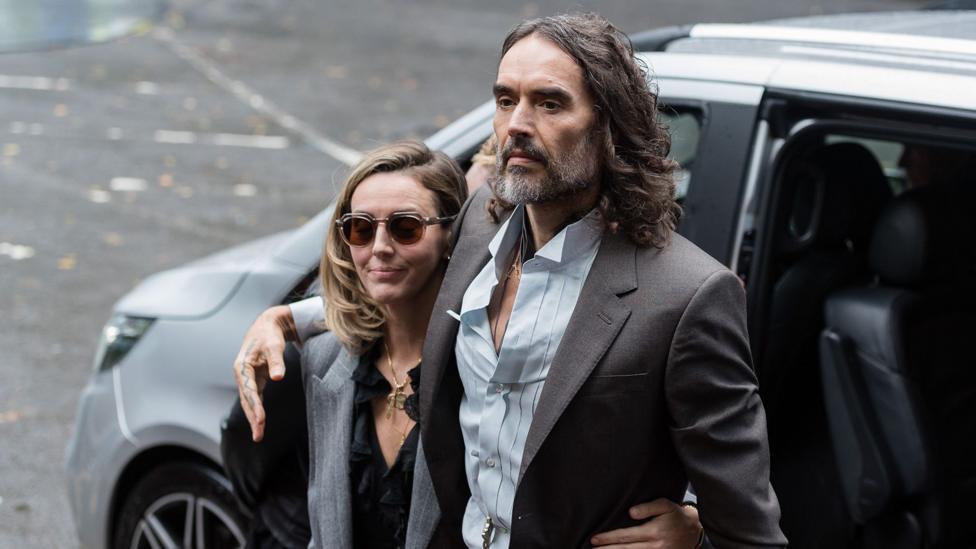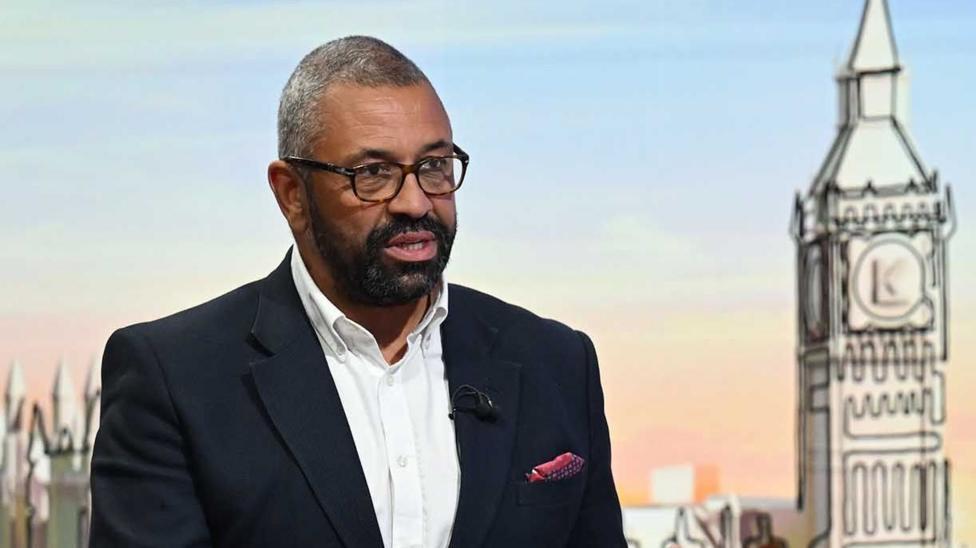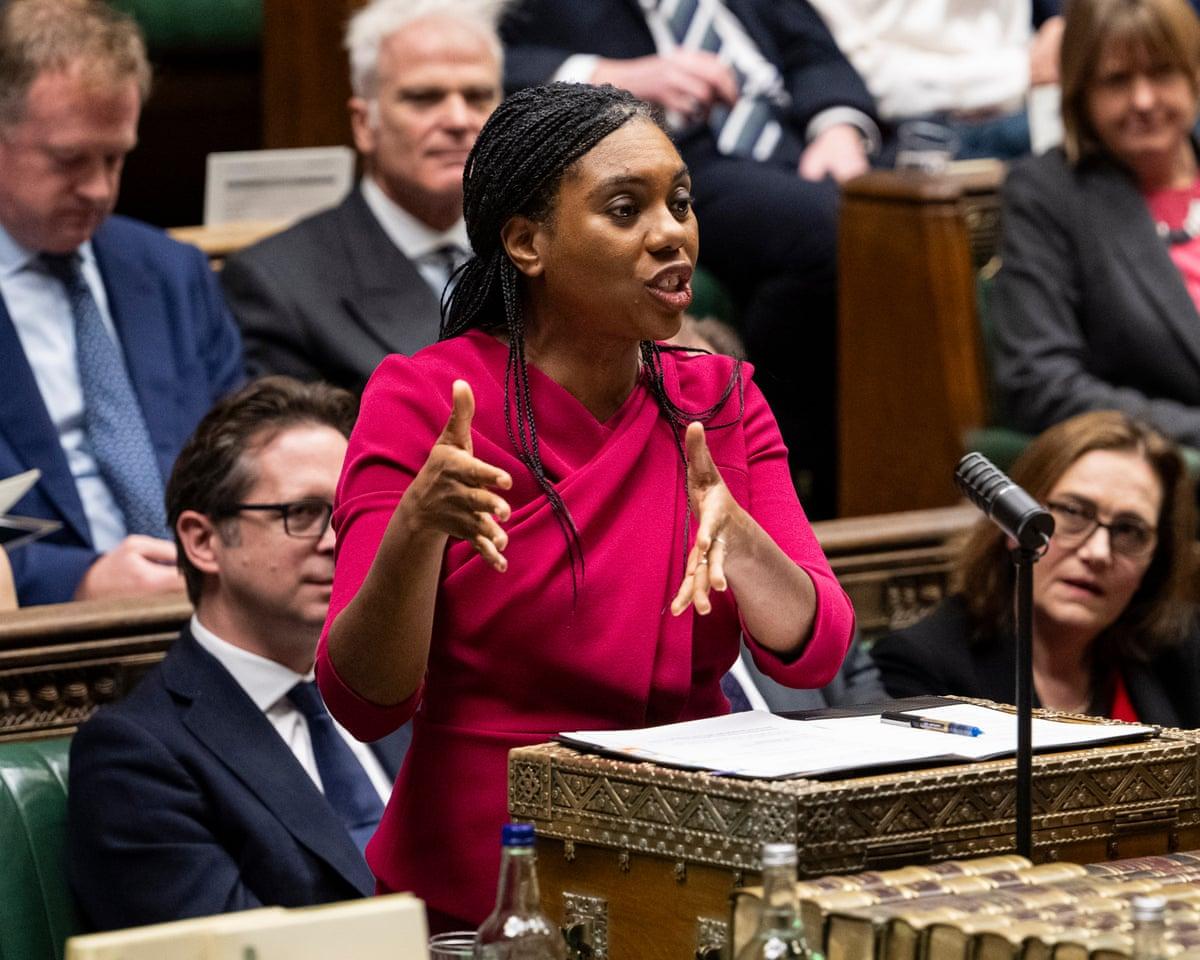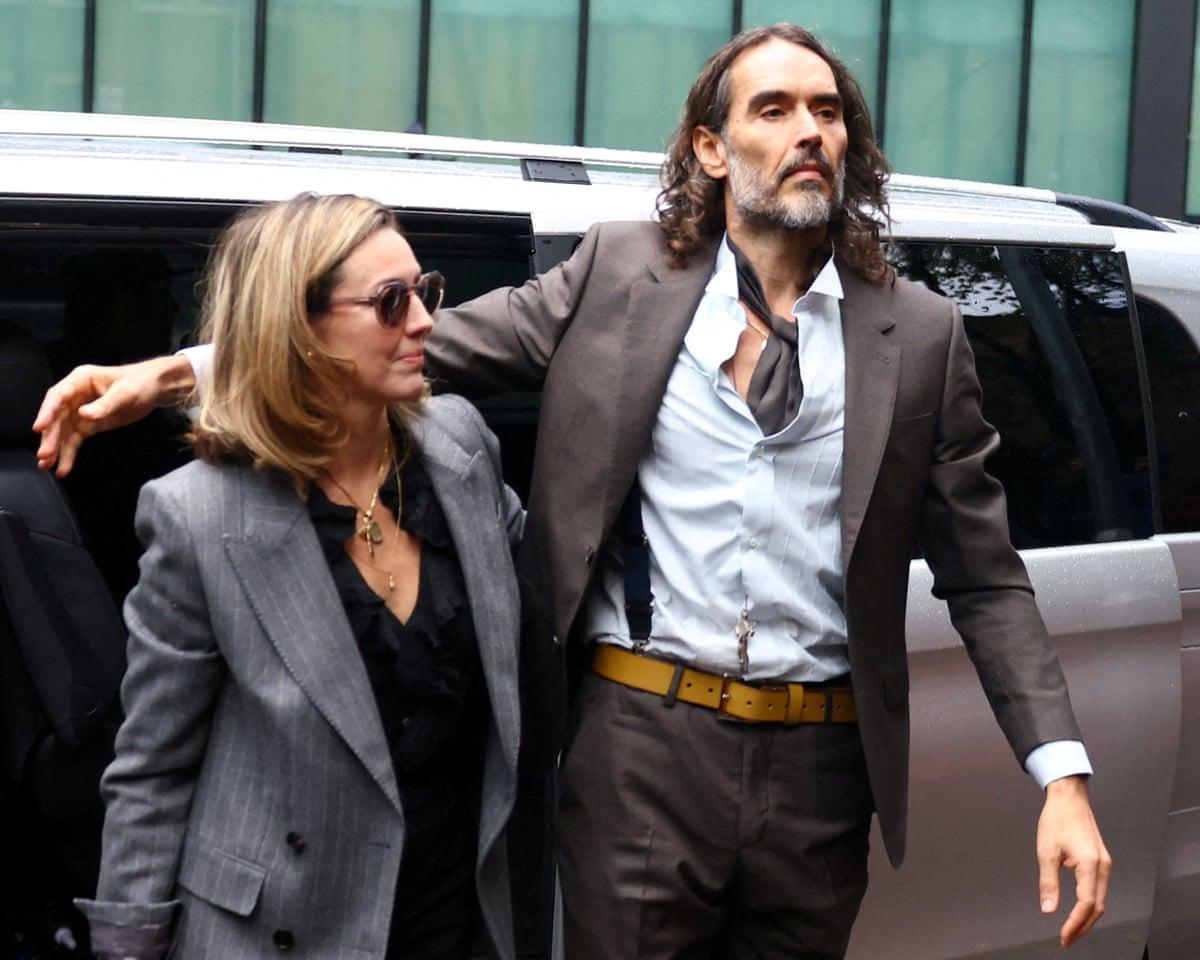
Legislation beyond the existing Online Safety Act will probably be required to prevent convicted criminals from using social media to broadcast messages from prison, Labour MP Jess Phillips has warned. The former safeguarding minister made the comments after Russell Brand's wife, Laura, posted a video to their YouTube channel in which Brand claimed innocence of the sexual offences for which he was convicted by a jury. According to The Guardian, the video has attracted nearly 850,000 views since being shared with the couple's 6.6 million rs.
Google, the parent company of YouTube, has declined a request from the UK government—transmitted through the Prison Service—to remove the video, which has prompted concerns among sexual abuse survivors. The BBC reported that the Downing Street described Brand's message as "clearly appalling" and noted that prisoners are prohibited from making statements that could distress victims, though media communication is permitted only in exceptional circumstances.
A Google spokesperson stated:
We're aware of the new content and our teams are investigating. We suspended Russell Brand's channel from the YouTube partner program in September 2023. The channel has not been able to monetise on YouTube since then.
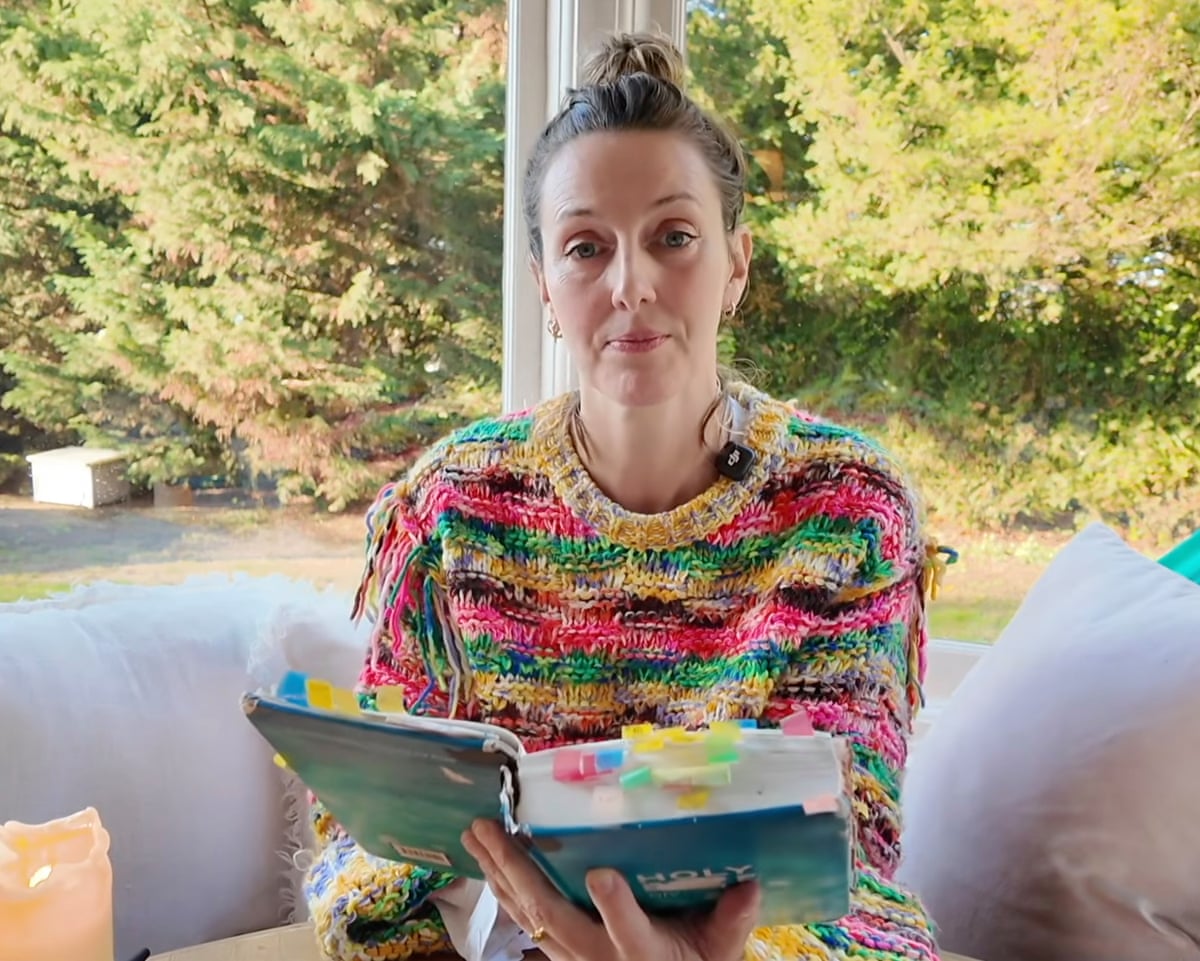
Phillips, who previously served as minister for safeguarding and violence against women and girls, acknowledged that the government lacks the authority to force platforms to take down distressing material of this nature. She told BBC Radio 4's Today programme that voluntary codes governing tech companies have proven ineffective.
Ofcom codes on women's safety online are just voluntary and frankly voluntary codes to tech companies is the triumph of hope over experience,she said, adding that
This is an entirely new era and frankly the regulations are almost certainly not in place for the government to just demand that this be taken down.
What does the current Online Safety Act cover?
The Online Safety Act, which received royal assent in 2023, establishes protections for social media users against illegal content and prevents under-18s from accessing age-inappropriate material such as pornography. The legislation has been rolled out gradually and was strengthened this year through supplementary measures that updated Ofcom's codes of practice. However, the Act does not specifically address the scenario of prisoners maintaining active social media accounts to communicate directly with the outside world—a gap that Phillips believes must be addressed.
Regulatory frameworks, changes and potentially a second online safety act is needed, because before we haven't had prisoners who had massive YouTube followings,Phillips said. She warned that pressure on organisations like Google would intensify, stating:
All Google do by leaving this up is show that those codes are not good enough. I think it [a new online safety act] is very likely and the more that these companies show that they are not putting victims at the absolute heart of their policymaking in their content within their own content schemes. If Google want less regulation they will take this down.
What action have other platforms taken?
Meta, the parent company of Facebook, has already disabled Brand's social media accounts on those platforms, citing breaches of standards prohibiting accounts deemed "harmful to the community." According to the BBC, Brand's Instagram, Facebook and WhatsApp accounts were disabled the previous week, while the YouTube video and channel remained accessible as of 19 November. Josh MacAlister, the minister for children and families, expressed hope that Google would follow Meta's lead.
I hope they make the same decision that Meta has,he said.
What have government ministers said?
Matthew Pennycook, the housing minister, described the video as disturbing and concerning in its message.
Imagine if you're one of the victims of Brand's heinous crimes and you see that video. Prisoners are already banned from making statements to the media. We think this is an exceptional case where MoJ ministers have asked Google to remove this specific content and we hope they'll do so.However, Yahoo News reported that Pennycook acknowledged the government had "no power to mandate a removal of content" and that removal ultimately depends on Google's terms and conditions.
Victims' commissioner for London Andrea Simon joined calls for Google to act. Kemi Badenoch, the Conservative leader, expressed concern about prisoners using channels to send messages from inside facilities but noted that Brand's wife is a separate person and that YouTube is a private platform.
Immediately demanding that private platforms take down without looking at whether a law has been broken is not where I would start from,she said.
Why is this case significant?
While Brand's situation has brought the issue into sharp focus, concerns about the continued social media presence of controversial figures have surfaced previously. Stephen Yaxley-Lennon, the far-right activist known as Tommy Robinson, has retained an online presence despite past controversies. The Brand case highlights a regulatory gap: the existing Online Safety Act was designed before prisoners with substantial online followings could use their platforms to communicate with millions of people, potentially causing harm to victims and the public.
The Ministry of Justice has launched an investigation into whether Brand breached prison rules by sending the message. The case underscores the tension between free speech, platform autonomy, and the need to protect vulnerable groups from distressing content.
What happens next?
The Ministry of Justice is investigating whether Brand violated prison regulations through the transmission of the message. Phillips and other government figures have signalled that legislative action is likely, with discussions about potential amendments to online safety frameworks already underway. The outcome of this case may determine whether new legislation becomes necessary to address the specific issue of prisoners using social media to communicate with the outside world.