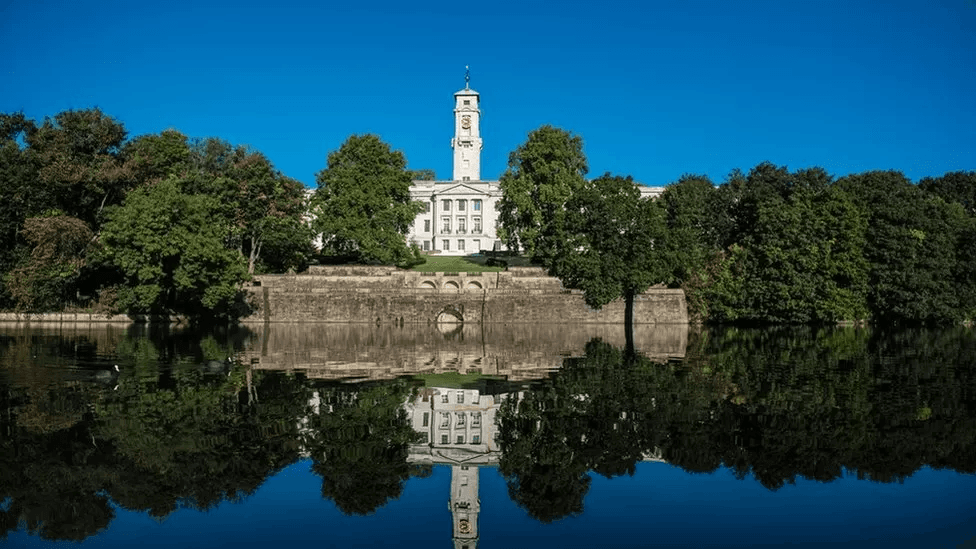
The University of Nottingham said it was "disappointed" by the timing of industrial action as staff prepare for an extended period of disruption beginning in October.
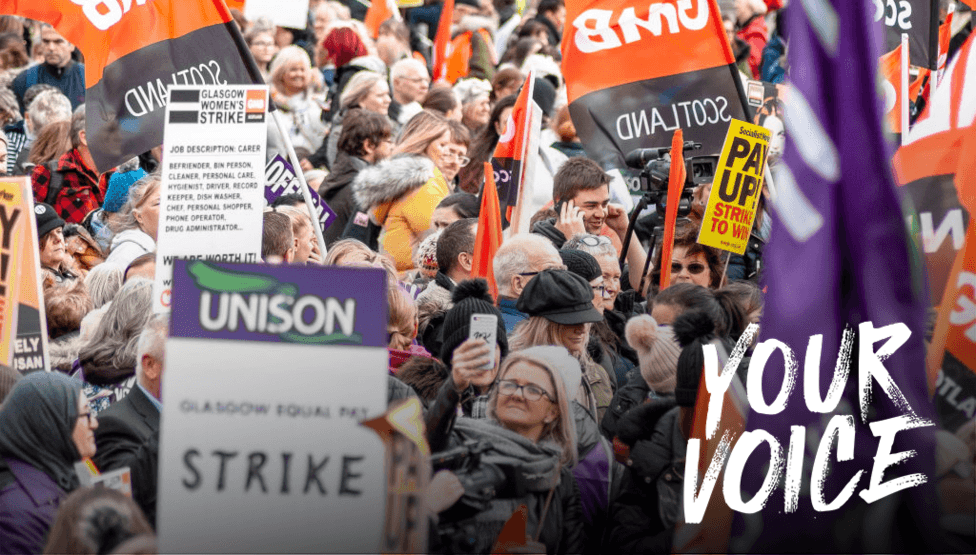
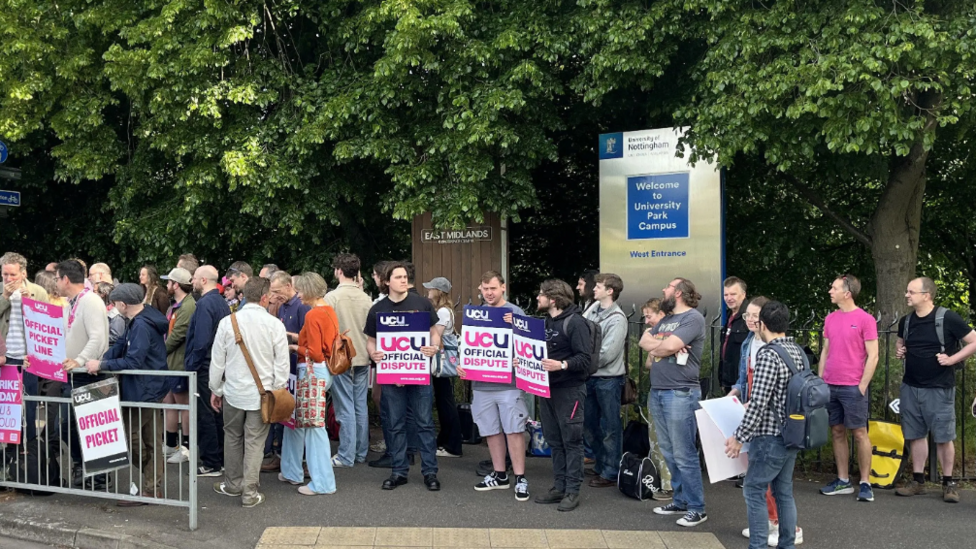
A student has expressed feeling "shorthanded" as members of the University and College Union (UCU) prepare to strike on Wednesday and Thursday, followed by sustained industrial action from 5 October to 11 December over the Future Nottingham restructuring plans. According to the UCU, the strike mandate extends until April 2027 following a formal ballot held from 2 March to 20 April 2026.
Zoe Monroe, a third-year student reading English literature with creative writing, told the university's news service that the strikes represented something fundamentally different from what students had anticipated when enrolling. The university previously indicated that its restructuring proposals could result in programme closures and academic reorganisation.

The institution confirmed it had reviewed all counterproposals submitted by staff and would present these to the University Council for consideration. Earlier in the year, the university had suspended music and language courses and announced plans for hundreds of job cuts to address what it described as "significant financial challenges".
What prompted the industrial action?
Union members from UCU, Unison and Unite voted in July to pass a motion of no confidence in the vice-chancellor and senior leadership following what they characterised as a "complete breakdown of trust". The first two days of strike action have been scheduled to coincide with the university's council meeting on 1 October 2026, at which the final business case for the restructuring will be decided.
According to the UCU branch, 42 of 124 staff proposals were accepted in full or in part, with nine remaining under evaluation. The union says these proposals have already prompted confirmed changes to elements of the restructuring plan relating to human resources.
The strike action will encompass not only full walkouts but also action short of a strike, including working strictly to contract and declining to cover for absent colleagues.
How are students responding?
Monroe expressed deep concern about the impact on her education and future prospects. The 20-year-old stated that the strikes would be "highly disruptive" and represented a departure from what students had paid for and expected.
"It's not what we've paid and signed up for. It's awful because I don't know what else we can do about it other than just raise awareness. I feel quite shorthanded because it is a lot of money and I've come to university to learn. It's very disappointing."
Monroe, now in her final year, fears the industrial action will harm the university's standing, potentially affecting graduate employment prospects. She suggested that employers might view University of Nottingham graduates less favourably and that students could face reduced opportunities as a result of reputational damage.
"I'm going to learn less, and the reputation of the university is going to most likely go downhill after this. People will be less likely to accept University of Nottingham students and feel as if we are less qualified and we are going to be offered less opportunities."
Not all students oppose the action, however. Isaac Wood, a third-year politics and international relations student, expressed support for the union's position while voicing reservations about the strategy. The 20-year-old acknowledged the legitimacy of staff concerns but questioned whether sustaining action for such an extended period was sustainable.
"I support them and I wish them all the best but it is starting to become a little strenuous. I'm not really sure about their approach to the strikes with going on for so long because I think that's a big ask of a lot of their members to do it for that long and to sustain it."
What are the union's demands?
Nick Clare, UCU branch president, stated that staff would not accept job losses and the dismantling of teaching and research areas without resistance. He indicated that the dispute remained resolvable and that the union remained willing to engage in substantive negotiations with management before the new academic year begins.
"We don't want to strike, but staff will not stand by while colleagues lose their jobs and whole areas of teaching and research are dismantled unnecessarily."
The union is calling on the university to commit to ruling out compulsory redundancies, prevent the closure of entire departments, safeguard teaching and research provision, and demonstrate genuine engagement with the alternative proposals developed by staff members.
What is the university's position?
A spokesperson for the University of Nottingham stated that the institution remained engaged in "meaningful discussions" with trade union representatives. The university expressed disappointment at the timing of the action, particularly its deliberate alignment with the start of the new academic year, and noted that many students would experience minimal disruption.
"While we know many of our students will be unaffected by this action, the timing of this to deliberately disrupt the start of the new academic year for our students is particularly disappointing. We want to reassure them we have clear procedures and support in place to minimise any disruption and ensure they get the most from their university experience."
The university confirmed it had established procedures and support mechanisms designed to reduce the impact on student experience during the period of industrial action.
What happens next?
The University Council is scheduled to consider the final Future Nottingham Phase 2 business case on 1 October 2026. According to the UCU, sustained strike action is planned from 5 October to 11 December 2026, running alongside action short of a strike throughout this period.

Key Facts
- UCU members will strike on Wednesday and Thursday, with sustained action scheduled from 5 October to 11 December 2026
- The strike mandate extends until April 2027 following a ballot held from 2 March to 20 April 2026
- The union is demanding an end to compulsory redundancies, protection of departments, and genuine engagement with staff proposals
- The university's Council will decide on the final restructuring business case on 1 October 2026
- 42 of 124 staff proposals have been accepted in full or in part, with nine still under evaluation