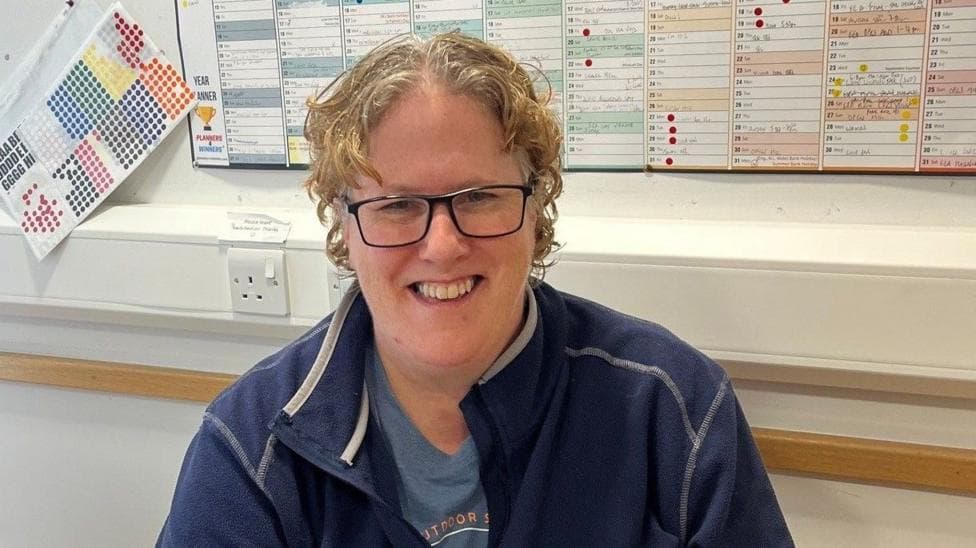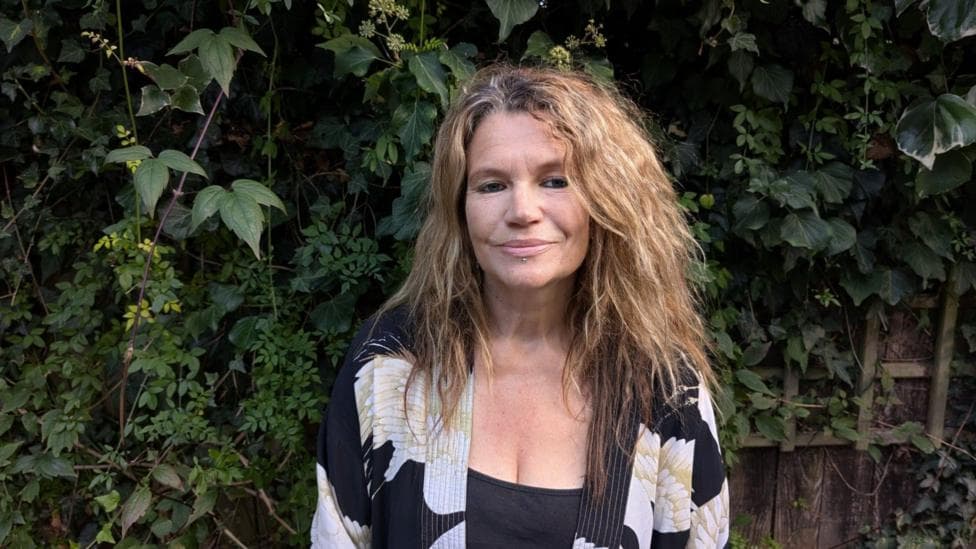
Helen noticed changes in her mother's behaviour and discovered she had fallen victim to a romance scam that would ultimately cost her £140,000.
Infatuated with a man she encountered online, Helen's mother hollowed out a book and placed £10,000 in cash inside, then mailed it to a Shanghai Hospital where he claimed to be awaiting urgent surgery. Once he recovered, she believed they would finally be together—but the requests for money never stopped. A second fraudster then appeared, claiming to have been kidnapped and threatening death unless she paid a ransom.
The first indication that something was amiss came when Helen's mother accidentally forwarded messages meant for the criminals to her daughter. Behaviour became increasingly secretive. "It became obvious to me something was going on again," Helen recalls.
Romance fraud has become a growing threat across the UK. According to City of London Police figures, 10,784 romance-fraud reports were recorded in 2025, up 29% year on year, with losses totalling £102m. Lloyds Banking Group reported a 24% rise in romance-scam reports among its customers in the 12 months to 31 August 2026, with reports from people aged 18–24 rising 59%.
How scammers operate with modern technology
Helen's 80-year-old mother encountered her fraudsters on Facebook, where they deployed artificial intelligence to alter their appearance in photographs and video calls—a deception technique known as deepfake. With criminals adopting increasingly sophisticated methods, fraud cases across the UK continue to climb. UK Finance recorded £39.2m in romance-fraud losses in 2025, up 23%, across 6,335 cases, up 22%, with 67% of those losses returned to victims.
Helen observed her mother taking numerous phone and video calls but refusing to disclose who she was communicating with. The experience left Helen feeling "emotionally drained" as she tried to understand what was happening. "I didn't feel like I could cope with not having any tool to deal with it," she tells BBC Radio 4's Scam Secrets. "That's not expertise that most families have got."
What warning signs should you watch for?
Shari Vahl, presenter of Scam Secrets, identifies these key indicators that a loved one may be caught in a scam:
Frequent visits to post offices or banks; shopping in unusual patterns such as purchasing gift cards; unexpected financial activity including bank transfers and opening new accounts; and communication patterns—whether online or by telephone—that seem out of character.
Age appears to be a significant factor in vulnerability. According to Lloyds, people aged 75–84 experienced the highest average romance-scam loss at £9,051, while the average across all ages was £4,078. Nationally, people aged 55–74 account for almost half of romance-fraud losses.
How should families approach someone they suspect is being scammed?
Families should adopt a strategy of being "curious but not confrontational," according to Dale Richardson, a police fraud protection officer. "I like to break it down... and listen to them and say, right, how did you meet? And what have they said?" he suggests.
Helen decided to approach her mother by trying "to be calm about this and open up the possibility she could trust me." She eventually convinced her mother to allow her to join a video call with the supposed romantic interest. Helen quickly identified the deepfake—the image appeared "fuzzy" and his voice was out of sync with his lip movements.
Despite this evidence, Helen's attempts to convince her mother that the man was not genuine failed.
She was saying I made her feel disgusted and ashamed, and that I should let her have her relationship and not intervene.
Dr Lis Carter, a forensic linguist working with the Scam Secrets team, emphasises the importance of patience and careful language when helping loved ones who believe they are in a real relationship. "Being a family member coming into that, you are 'destroying' that happiness," she explains.
What practical steps can protect someone being scammed?
When Helen found she could not persuade her mother to leave the relationship, she turned to her bank. Because Helen held a lasting power of attorney, she could act on her mother's behalf and establish account protections.
Jim Winters, head of economic crime at Nationwide, urges anyone suspecting a family member is being defrauded to contact their bank immediately. "They might be limited in what they can share with you for data privacy reasons, but they can take steps to safeguard that account," he explains. "Once we know that a customer is being defrauded we can spot the hallmarks very quickly and take steps to break that spell."
To date, the bank Helen's mother uses has recovered £45,000 and returned it to her account. However, even after Helen changed her mother's phone number three times, her mother continued to provide the new numbers to the scammers. Helen eventually replaced her mother's smartphone with a device capable only of making calls and sending text messages.
Winters also recommends "completely resetting" a victim's digital presence by changing telephone numbers, email addresses and social media accounts. "That's what makes you visible, that's what puts you out there. So taking steps to reset all of that is so important," he says.
Key steps to help a scammed loved one
Ask open-ended questions and remain calm and patient while gathering information; contact their bank to request safeguards on their accounts; enlist an impartial third party, which can help victims feel more willing to open up; and reset their digital footprint by changing phone numbers, email addresses and social media accounts so scammers cannot maintain contact.