Northern Ireland Assembly members (MLAs) will see their annual salary increase by more than £2,000 to £69,216 when the new assembly mandate begins next May, according to draft proposals from Stormont's Independent Remuneration Board.
The pay adjustment will commence on the first sitting day of the new assembly mandate in May 2027, marking the second significant wage adjustment for elected representatives in less than a year. This follows an earlier uplift of almost 27% awarded in April 2026, which added more than £14,000 to annual salaries.
Alan Lowry, chair of the Independent Remuneration Board, characterised the April 2026 increase as a
"corrective measure"addressing years without substantial wage growth. He emphasised that future adjustments would be designed to
"reflect inflationary and other pay trends".
According to media reports on the 2026 consultation, the public response to the earlier pay determination was
"overwhelmingly critical", though the board proceeded with its decision. The consultation also introduced provisions allowing for salary reductions of up to 10% after six weeks without an Executive following an election.
Why is MLA pay being reviewed?
Lowry outlined the rationale for structured pay adjustments, stating that
"MLAs carry out a wide range of important duties, from representing constituents and scrutinising legislation to holding ministers and departments to account". He argued it was
"right that their remuneration recognises the complexity and importance of those responsibilities, while ensuring that financial considerations do not discourage people from seeking elected office".
The timing reflects broader concerns about political recruitment. Northern Ireland councillors have previously raised concerns that low pay deters younger candidates from entering local politics, particularly following the substantial MLA pay rise in 2026.
How will the new pay structure work?
Under the proposals, basic MLA salaries will increase in line with earnings growth across Northern Ireland, creating a transparent mechanism linked to wider economic developments. However, payments for different office holders—such as committee chairs and party leaders—will remain fixed throughout the 2027-32 mandate, providing certainty for budget planning.
Lowry stated that
"As we look ahead to the assembly election next year and the start of a new mandate, it is important that we put in place a structured and transparent mechanism that links MLA pay to changes in earnings in Northern Ireland". He added that
"This approach ensures that pay remains aligned with wider developments in society, while providing certainty and maintaining public confidence in the process".
According to the assembly's published salary schedule, the basic MLA rate from 1 April 2026 was set at £67,200, with future increases tied to inflation criteria established in the 2022-2027 rates framework.
What is the consultation process?
The Independent Remuneration Board will now seek views from statutory consultees—MLAs themselves, the Assembly Commission, and the Assembly Members' Pension Trustees—over a four-week period. The board is simultaneously inviting submissions from members of the public during the same timeframe.
Lowry explained that
"In making this draft determination, we are increasing the transparency of our decision-making and making it easier for the public to understand how remuneration is structured". Following the consultation period, the board will review responses and present a final determination to the Assembly Commission for publication and implementation.

How do Northern Ireland MLAs compare to other politicians?
Members of the Scottish Parliament receive £77,711 annually, while their Welsh counterparts earn £79,817 per year. At Westminster, MPs earn £98,599, and members of the Dáil (the lower house of the Irish parliament) receive €119,467, equivalent to approximately £102,334.
The proposed £69,216 salary for Northern Ireland MLAs positions them below their counterparts in other UK legislatures and the Irish parliament, though the gap has narrowed following recent pay adjustments.
What is the Independent Remuneration Board?
The three-member panel was established under legislation passed in 2025 with the specific remit of determining MLA pay and pension entitlements. It replaced the Independent Financial Review Panel (IFRP), which had previously made decisions on both wages and expenses for assembly members.
The IFRP's tenure ended in 2016 without replacement, creating a gap in formal remuneration oversight. Some MLAs at that time had objected to rules imposed by the earlier panel, including restrictions on salaries for constituency office staff and regulations governing office signage.
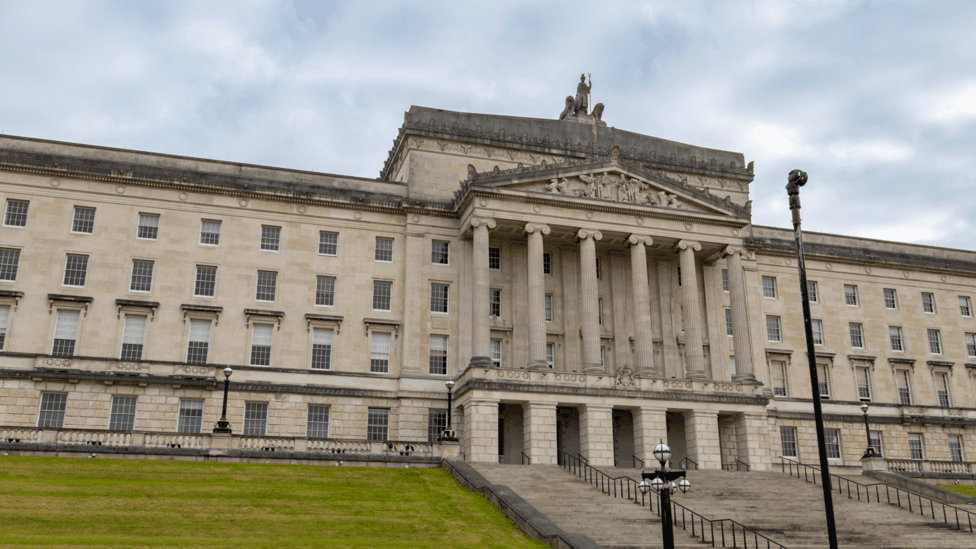
The bill establishing the new board received backing from the Assembly Commission, the body responsible for managing Parliament Buildings and representing Stormont's main parties. However, some MLAs criticised the legislation, arguing it would result in significant pay increases for assembly members.
What is the broader context for public sector pay?
The MLA pay decision comes amid ongoing pressure on Stormont ministers from trade unions over public sector wages. Health workers have undertaken strike action in recent months over pay disputes, with the health minister previously stating he could not implement pay awards without an agreed Stormont budget.
Northern Ireland's four-party devolved government has not yet set a budget five months into the financial year. Stormont departments face a potential shortfall of up to £1.6 billion, according to spending watchdog assessments, forcing public services to operate under contingency arrangements.
The parties have been engaged in talks with the UK government and Treasury in recent months to secure additional funding to address the budget gap. This financial pressure provides context for the debate over MLA remuneration at a time when public services are operating under constraints.
What happens next?
The Independent Remuneration Board's consultation period will run for four weeks from the publication of these draft proposals. After reviewing responses from statutory consultees and the public, the board will prepare a final determination for submission to the Assembly Commission.
Once approved by the Assembly Commission, the final determination will be published and implemented, with the new salary of £69,216 taking effect from the first sitting day of the new assembly mandate in May 2027. The structured pay mechanism will then operate throughout the 2027-32 mandate, with annual adjustments linked to Northern Ireland earnings growth.
Key Facts:
- MLAs' annual salary will rise from £67,200 to £69,216 from May 2027 under draft proposals from the Independent Remuneration Board
- This follows an April 2026 pay increase of 27%, adding more than £14,000 to annual salaries
- Future MLA pay will be linked to earnings growth across Northern Ireland, while office-holder payments remain fixed for the 2027-32 mandate
- The board is consulting statutory bodies and the public over a four-week period before issuing a final determination
- The decision occurs amid budget pressures at Stormont, with departments facing potential shortfalls of up to £1.6 billion