

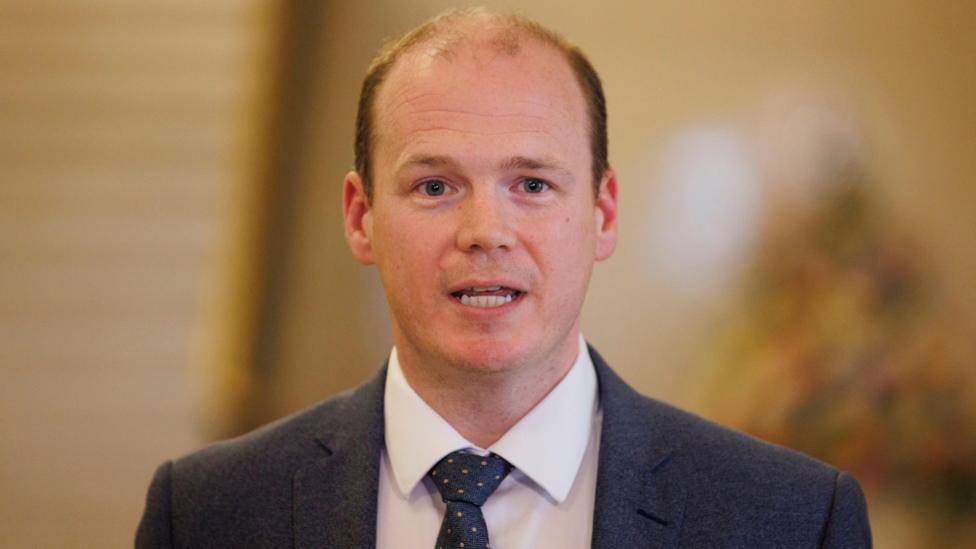
Councillors across Northern Ireland have told the communities minister that their current pay is failing to attract younger and more diverse candidates into local government, warning that the disparity with Stormont assembly members' recent pay award has left them feeling undervalued. The National Association of Councillors in Northern Ireland (NACNI) says existing allowances and conditions "fall short" of what is needed to keep local councils effective in the long term. The Department for Communities has confirmed that Minister Gordon Lyons is still weighing up the concerns raised.
In April 2025, Members of the Legislative Assembly (MLAs) saw their pay increase by more than £14,000, taking their annual salary to £67,200 — a rise of almost 27% decided by Stormont's Independent Remuneration Board. By contrast, an independent review of councillors' pay recommended a comparable 28% increase to close to £22,000 a year, but Stormont ministers turned this down. Instead, councillors were granted a 5% rise to their basic annual allowance, taking it to more than £18,000. According to the Department for Communities, the Northern Ireland Executive formally agreed to this 5% uplift, which took effect from 1 April 2025 following an announcement by Minister Lyons. The gap between the two settlements previously pushed NACNI toward considering strike action, though all of Stormont's major parties subsequently distanced themselves from that proposal.

What did NACNI tell the minister?
In correspondence sent to the communities minister at the end of May, NACNI pressed for what it described as a "reasonable allowance" for elected council members. Joe Boyle, the group's secretary and an SDLP councillor, argued that the existing pay structure remains inadequate for what he called the third tier of government in Northern Ireland.
"Recent 'independent' awards clearly demonstrate a significant disparity of what is accepted as independent for one sector, but not for another."
Boyle's letter, obtained by a Freedom of Information request, raised several concerns beyond basic pay, including fuel expense levels, the absence of a severance scheme, and inadequate funding for councillors' security. He pointed to a mismatch between what the public expects of councillors and the actual scale of the workload involved.


