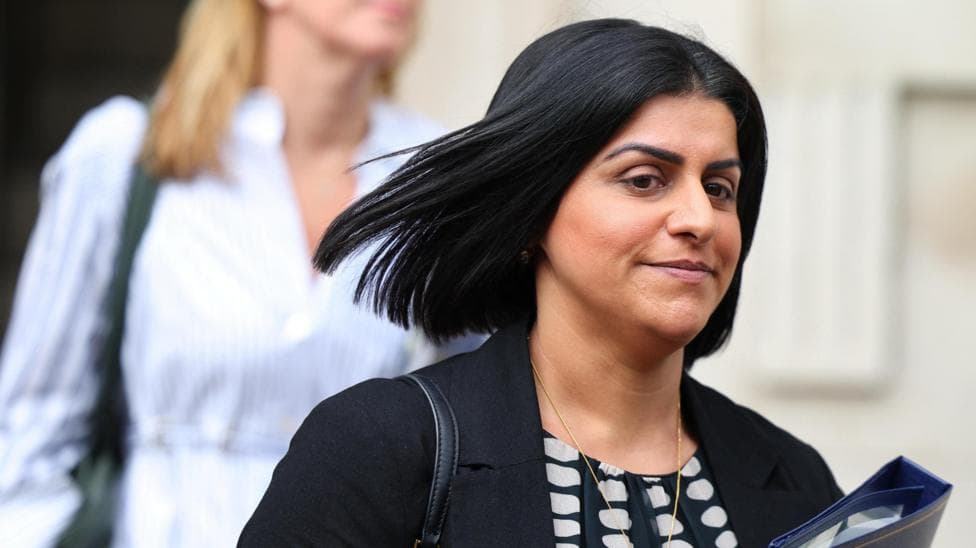
Home Secretary Shabana Mahmood will announce the reopening of the UK Resettlement Scheme (UKRS) on 28 September 2026 at the Labour Party conference, aiming to establish safe and legal pathways for refugees while reducing small boat crossings across the Channel. The scheme, which halted new applications in December 2024, will prioritise Afghan women and girls, Palestinians, and people with disabilities, with the Home Office expecting initial arrivals in the hundreds rising to the low thousands as illegal migration declines.
Mahmood intends to frame the initiative as fulfilling Britain's international humanitarian obligations while maintaining strict controls.
This is what we can do and who we can be as we restore control to our borders, bear down on the small boat crossings, and unlock the inherent generosity of this country.The reopened route represents a significant shift from earlier policy: according to reporting on the announcement, accepted refugees will receive immediate indefinite leave to remain rather than the previously reviewable 30-month status.
The government had previously closed or suspended multiple resettlement pathways. More than 39,000 people arrived under the Afghan Resettlement Programme before the schemes were either closed to new applicants or discontinued in July 2025. A separate scheme allowing refugees to bring family members to the UK was paused in September 2025. The UKRS itself had been effectively suspended for two years, though never formally closed, before this reopening announcement.
How will refugees be selected and referred?
Most refugees under the scheme will be referred by the United Nations High Commissioner for Refugees (UNHCR), while Palestinians will be identified through the International Refugee Assistance Project, according to reports on the referral process. The Home Office will set an annual cap on arrivals, though the specific number has not yet been disclosed.
What are the new sponsorship routes?
Alongside the UKRS reopening, three new sponsorship routes will launch from next year, enabling communities, universities and companies to host refugees directly. These routes represent an expansion of safe and legal pathways beyond traditional government-led resettlement. People arriving through any of these routes will be placed on a path to permanent settlement, with the government aiming to demonstrate that offering secure alternatives undermines people smugglers' business models.
What is the political context?
The announcement comes amid internal Labour tensions over asylum policy. Angela Rayner, the housing secretary, has publicly criticised aspects of Mahmood's broader migration reforms, particularly proposals to extend the time most migrant workers must wait for permanent residence from five to ten years.
Shabana Mahmood is running scared of Angela Rayner and the Labour left. She is opening up our borders even more in a desperate attempt to appease them.Conservative shadow home secretary Chris Philp made this accusation, arguing the government should focus on reducing illegal migration to near zero before expanding resettlement.
Rayner has warned against changing settlement rules retroactively for people who arrived expecting to secure permanent residence under existing terms. Settlement, formally known as indefinite leave to remain, grants individuals the right to live, work and study in the UK indefinitely and access benefits if eligible. The government's proposal to extend waiting periods to 20 years for refugees has drawn criticism from within Labour's own ranks.

Reform UK leader Nigel Farage rejected the entire premise of the scheme.
If Labour are so sure the public wants their open borders policies, they'd call a general election to get a mandate.He added that the UK is not obligated to accept more migrants and referenced a report about a former Hamas bodyguard who secured asylum and citizenship before allegedly plotting an attack against Jewish people in Europe. The man, who arrived more than a decade ago, now faces extradition to Germany.
What do refugee organisations say?
Jon Featonby, chief policy analyst at the Refugee Council, welcomed the government's proposals but cautioned that they followed a drastic reduction in safe routes over the preceding year.
Safe and legal routes are essential to undermining people smugglers' business model, but they only work if they operate at scale.He emphasised that the government must demonstrate ambition through thousands of places rather than hundreds, and called for the immediate reopening of refugee family reunion without delay.
Flora Alexander, executive director of the International Rescue Committee UK, praised the prioritisation of Afghan women and girls and Palestinians. She described the UKRS as a well-established safe route enabling people to rebuild their lives in Britain, but stressed that
it needs to be scaled up if it is to make a real difference.
What are the recent crossing figures?
The government is presenting the scheme as part of a broader strategy to reduce irregular migration. More than 18,500 people have crossed the Channel in small boats during 2026 compared to more than 32,000 in the same period in 2025, representing a significant decline. The Home Office argues that providing safe and legal alternatives will further discourage dangerous crossings by offering viable pathways for those fleeing war and persecution.
What happens next?
Mahmood will formally announce the scheme's reopening at the Labour Party conference in Liverpool on 28 September 2026. The new community sponsorship routes involving local organisations, universities and companies are scheduled to begin accepting applications from next year. The Home Office will announce the annual cap on arrivals following the conference announcement, and the first intake of refugees under the reopened UKRS is expected to begin in the coming months.
The government has also signalled that it will continue pursuing its broader migration agenda, including the contentious changes to settlement timescales for other migrant categories, despite internal party opposition.

Key Facts
- The UK Resettlement Scheme will reopen immediately with priority given to Afghan women and girls, Palestinians, and people with disabilities
- Accepted refugees will receive immediate indefinite leave to remain under the new arrangement, rather than reviewable temporary status
- Three new sponsorship routes will launch in 2027, allowing communities, universities and companies to host refugees
- The Home Office expects initial arrivals in the hundreds, rising to the low thousands as illegal migration falls, with an annual cap to be set
- The announcement reflects tensions within Labour over asylum policy, with some party members criticising the government's broader restrictions on migrant settlement timescales