A proposed law requiring workforce planning for Irish-medium schools in Northern Ireland is expected to be rejected on Tuesday during a final-stage vote in the Assembly after the Democratic Unionist Party deployed a petition of concern. The bill, introduced by Sinn Féin assembly member Pat Sheehan, would mandate the Department of Education to develop a comprehensive workforce strategy for the sector. According to BBC News, the DUP's procedural move means the legislation now requires cross-community backing from majorities of both unionist and nationalist politicians to proceed.
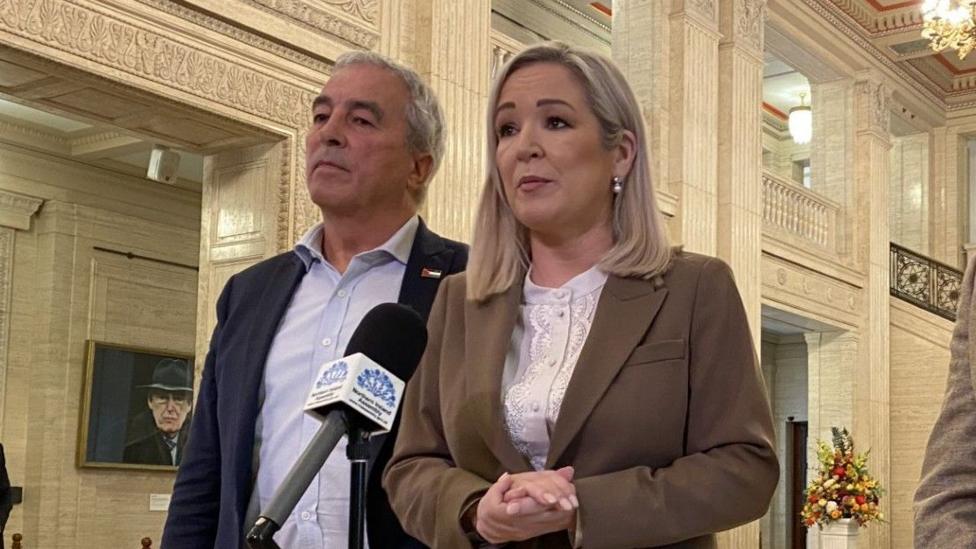
The dispute reflects escalating tensions between the two largest parties in the power-sharing executive. First Minister Michelle O'Neill accused the DUP of "blatant disrespect" and "sectarianism" over the blocking attempt, while DUP leader Gavin Robinson characterised the move as a response to Sinn Féin's "arrogance" regarding the Drumcree parading controversy. The row centres on Sinn Féin's involvement in protests that blocked an Orange Order parade from proceeding along Garvaghy Road in Portadown, County Armagh—a mainly nationalist street.
The final-stage debate took place earlier this month and proved contentious, with robust exchanges in the chamber lasting nearly three hours and extending past midnight. The DUP tabled its petition of concern a fortnight ago, triggering a 14-day consideration period under Stormont rules before members could vote. Last month, the DUP announced it would block official engagements involving O'Neill in response to the parade dispute, further deepening the political rift.
What does the bill propose?
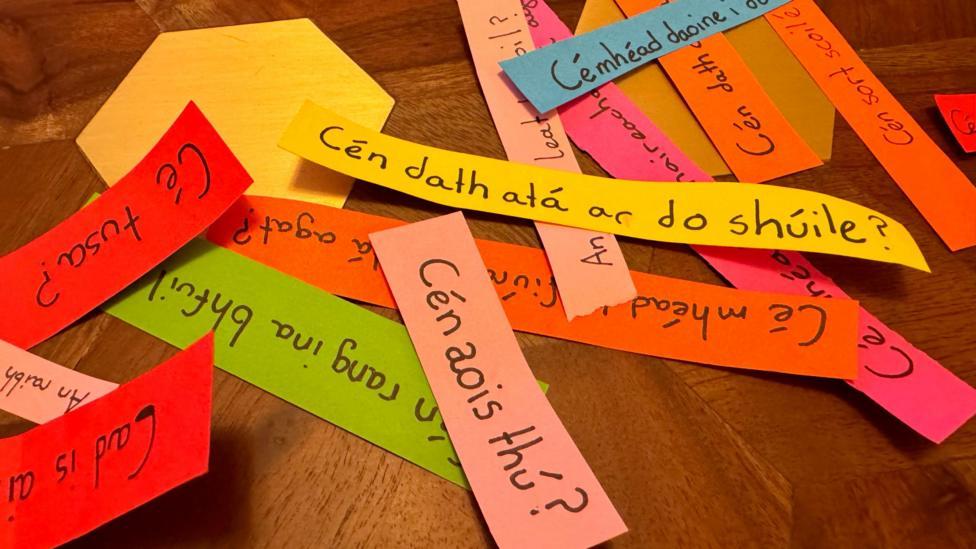
The Irish-medium Education (Workforce Plan) Bill seeks to require the Department of Education to "plan properly" to meet the needs of schools where all subjects are taught in Irish. According to the Northern Ireland Assembly's explanatory memorandum, Irish-medium education serves approximately 8,000 pupils across 90 settings and faces significant workforce shortages in teaching, classroom support, specialist and leadership roles. The Department estimated the bill's workforce-planning duties would cost between £26,200 and £43,700 annually, with costs of any later recruitment or training measures requiring separate decisions.
Education Minister Paul Givan, from the DUP, contended that he has already provided "significant funding" for the Irish-medium sector and characterised the private member's bill as "unnecessary". Some £6 million had been specifically earmarked for Irish-medium education, though the DUP maintained this demonstrated adequate support without additional legislative requirements.
Why are educators concerned?
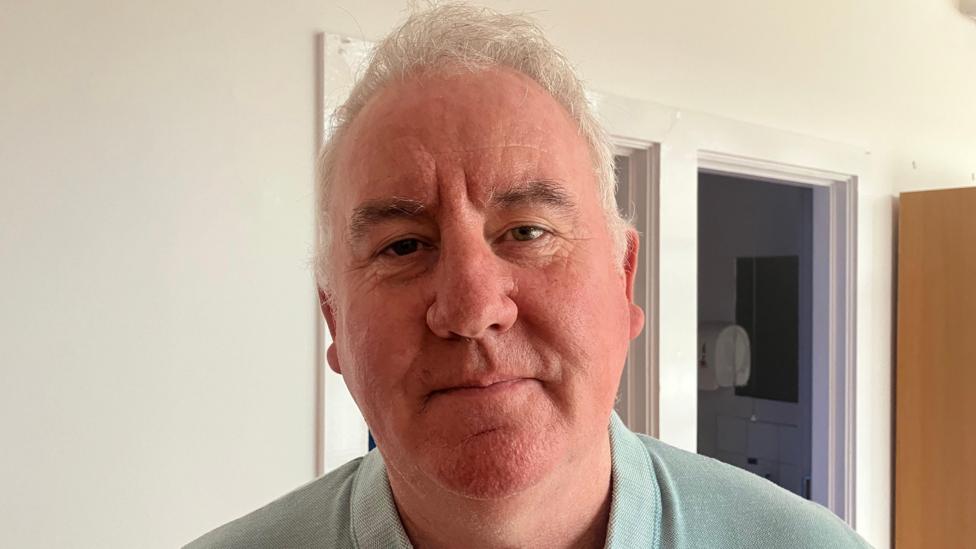
School leaders and educators attending Stormont on Tuesday to voice their opposition to the veto emphasised that the bill addresses genuine practical challenges. Pilib Mistéil, principal of Bunscoil an tSléibhe Dhuibh in west Belfast, told BBC Radio Ulster's Good Morning Ulster programme that sectors like education and health "should not be brought into a political squabble". He explained that historically it had been more difficult to employ and train Irish-speaking specialists in the Irish-medium sector, which was precisely why the bill was needed. "It's just so frustrating in today's day and age," he said.
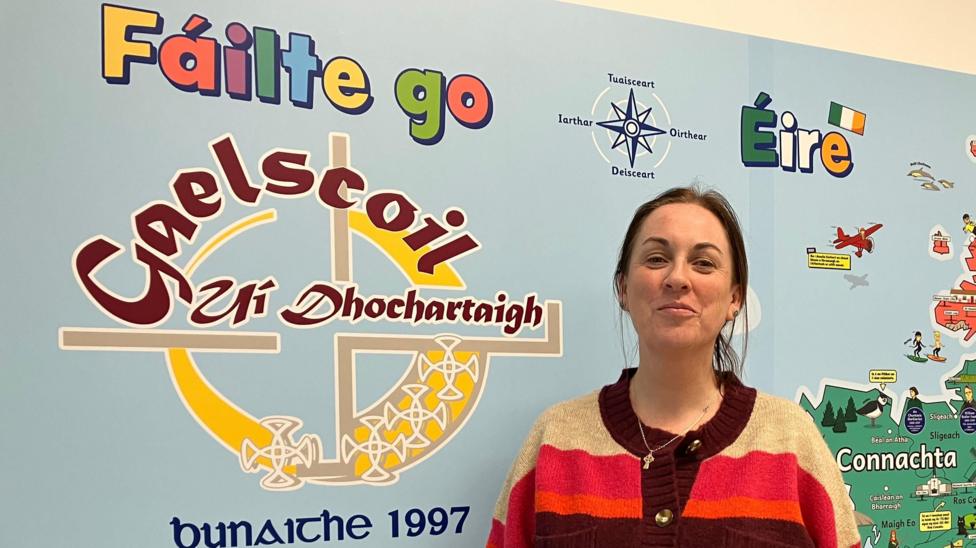
Máire Ní Dhochartaigh, principal of Gaelscoil Uí Dhochartaigh in Strabane, described the situation as incredibly disappointing. "Something intended to address practical educational problems that we face on the ground has been caught up in a wider political dispute, which should never have happened," she told BBC Radio Foyle's North West Today programme. She stressed that children and staff should not bear the consequences of political disagreements between parties.
Nick Mathison, Alliance Party assembly member and chair of Stormont's education committee, characterised the bill as a "proportionate, very modest intervention" to help the Irish-medium sector. He criticised the political dispute, saying the "spat" between Sinn Féin and the DUP was "playing out in the worst possible way".
What is a petition of concern?
Introduced as part of the Good Friday Agreement, the petition of concern was designed to safeguard minority rights in Northern Ireland's power-sharing assembly. When presented to the assembly Speaker, any motion or amendment requires cross-community support to proceed. A vote on proposed legislation will only pass if it receives backing from a weighted majority—60 per cent of members voting—including at least 40 per cent of each nationalist and unionist designation present and voting. This mechanism effectively grants either community the power to exercise a veto over assembly decisions if sufficient members from that community agree.
The petition of concern has been deployed in notable instances in the past. In 2015, the DUP used it to block same-sex marriage legislation despite a majority of Assembly members voting in favour. Over recent years, concerns have grown that the mechanism is being used in ways that depart from its original purpose as a cross-community safeguard. In response, parties committed in the New Decade, New Approach deal to reduce its use and return it to its intended purpose, introducing reforms including the 14-day consideration period that allows members to reconsider their position and a requirement that petitions be triggered by members from two or more parties.
What happens next?
According to the Assembly's indicative schedule, the deferred final-stage vote is set for Tuesday 24 November between 11:00 and 11:15, with no further debate scheduled. Given the DUP's petition of concern and the requirement for cross-community support, the bill is widely expected to fail. Students, teachers and other representatives from the Irish-medium education sector will be present at Stormont to demonstrate their opposition to the veto.