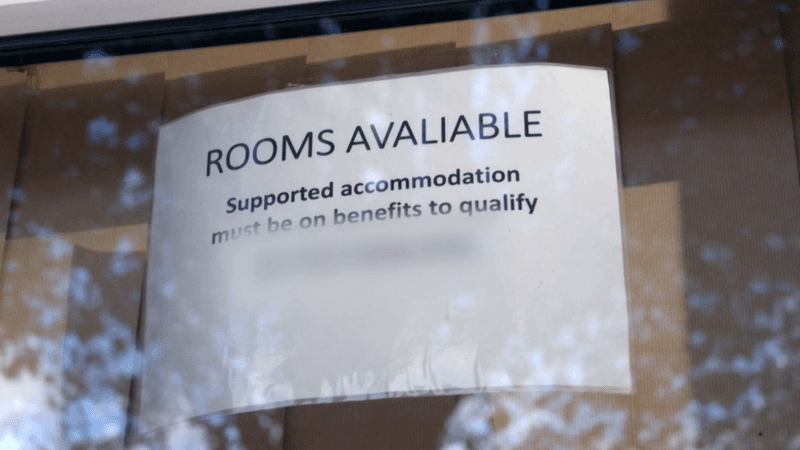
The government is expected to announce an independent inquiry into allegations that unscrupulous landlords in Birmingham are generating substantial profits by exploiting a housing assistance programme designed to support vulnerable people. BBC News reported that a recent investigation by BBC Panorama uncovered evidence of companies in the city taking advantage of the Supported Exempt Accommodation (SEA) system, which is intended to provide housing combined with care and support for people with additional needs.
According to BBC News, allegations include fraud, criminal activity, substandard housing conditions, and instances where firms have received housing benefits on behalf of residents without delivering the promised support services. A government spokesperson stated the administration was committed to preventing
poor providersfrom
take advantage of the system designed to help the most vulnerable. The Ministry of Housing, Communities and Local Government indicated it was
actively considering next steps to ensure that all supported housing in the city is high qualityand noted it was
taking action to raise standards in the sector - including ensuring councils have stronger powers to fine non-compliant landlords.
This announcement follows a previous BBC investigation into the SEA system that revealed widespread exploitation of vulnerable residents. The scheme, which provides housing for people with additional needs including those recovering from addiction and women escaping domestic abuse, has been the subject of repeated political scrutiny.
What is the scale of the problem in Birmingham?
Birmingham has become the epicentre of the SEA sector, with more than 34,000 people living in such accommodation. For comparison, London houses approximately 22,000 residents in supported housing despite having a population more than seven times larger. The Department for Work and Pensions disbursed £410 million for SEA in Birmingham alone during the past financial year, according to figures obtained by Panorama.
Charities and residents told Panorama that significant portions of the system were being exploited for profit. Property agents were found to be recruiting people into the taxpayer-funded scheme using social media videos that offered inducements including free rooms, gaming consoles and holidays. Patricia Coleman-Taylor, director of Birmingham anti-poverty charity Narthex, characterised the situation by stating that many vulnerable people were being used as
cash cows to generate incomethat flows from the Department for Work and Pensions
into the back pocket of the landlords.

What have residents experienced in these properties?
Residents and former support workers have described conditions far removed from the stated purpose of the scheme. One former support worker previously characterised the experience of living in exempt accommodation in Birmingham as
like jumping from the frying pan in to the fire.
Alysha, a survivor of domestic abuse who became homeless after her marriage ended, moved into SEA accommodation 18 months ago while relying on universal credit. She reflected on her situation, saying
I never thought I'd be homeless and I never thought my marriage would break down, but it did. I felt extremely alone. I needed help getting myself back on to my feet, and that's how I got myself into supported accommodation.However, her experience across three different SEA properties fell far short of providing the fresh start she required.
During her first placement, which lasted only six months, Alysha witnessed violence that made the property unsafe. She recalled
There was one day at about 05:30 in the morning, where I was woken up to screaming and growling and banging. They'd been fighting really badly. The house was covered in blood, police were called, and the house was no longer safe.
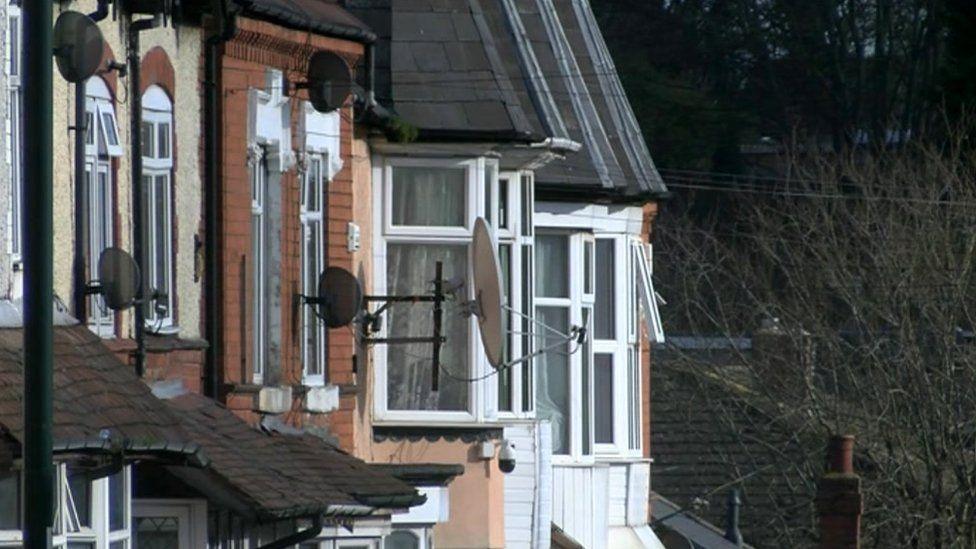
Her second SEA property initially appeared promising, featuring new kitchen appliances and mattresses, but the reality proved disappointing. Managed by a private provider, Alysha had been assured of weekly counselling sessions, access to food banks and assistance with GP appointments. She stated
But it's not the case, it's not the case at all. They're not interested, they come and they just want you to sign that paper to say Alysha's done support this week and that's it.The property also lacked heating during winter months.
Jane and Melvin, residents of Selly Oak, experienced significant disturbance after a neighbouring property was converted into SEA accommodation. They reported that tenants had involvement with weapons and drugs, creating an unsafe environment. Jane recalled
There were people overdosingand noted that
Twice the front door was kicked in by people who didn't live there.Melvin described the frequency of emergency services attendance, stating
Ambulances would pull up with their blue lights flashing at two or three o'clock of a morning. There were people running up and down screaming, fights going on... there was one episode where one afternoon the chap was being chased by someone with a knife. If he hadn't have been athletic, he'd have been killed.
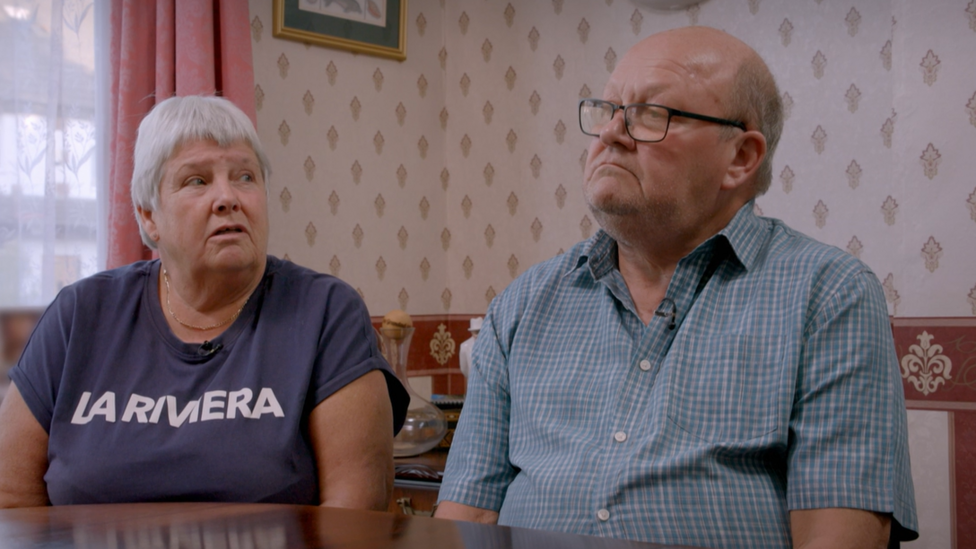
Despite their concerns, Jane emphasised that she and her husband did not object to the property supporting people in need. However, she felt the residents were left to operate
amuckwithout adequate supervision. She explained
I think they were lacking the support that they needed, really.

What is the history of this issue?
This is not the first occasion that politicians have examined the SEA system. An inquiry conducted by the Levelling Up, Housing and Communities Committee in 2022 reported that some vulnerable people had experienced rape and exploitation by landlord
gangsterswithin England's
complete messof an exempt housing system. That investigation occurred two years after Birmingham was designated as one of five pilot projects intended to enhance quality, enforcement, oversight and value for money in the sector.
Campaigners have demanded action for years across both Conservative and Labour administrations. The latest announcement follows a recent letter to the prime minister from councillors Robert Alden and Ken Wood, demanding urgent government intervention.
What are local politicians saying?
Birmingham's Conservative leadership has welcomed the latest announcement but cautioned that the review must not become a pretext for delaying reforms already recognised as necessary to safeguard vulnerable residents. Alden, the councillor for Erdington and leader of the Birmingham Conservative Group, stated it was appropriate for the government to examine
why Birmingham has become the epicentre of this crisis and what must change. He continued
Residents deserve answers about how this was allowed to happen. Vulnerable people placed in badly run accommodation deserve proper support, and neighbourhoods suffering the consequences deserve action.
What broader housing challenges exist?
The SEA system difficulties occur within a wider context of housing challenges across England. The government has committed to building 70,000 social and affordable homes in the initial phase of a £39 billion programme, with the first phase targeting regions including Greater Manchester, the West Midlands, and London. However, new housing developments have themselves faced significant problems, with families nationwide abandoning newly constructed homes affected by structural defects, mould and damp, according to reports from the New Homes Ombudsman Service.
Additionally, social housing tenants have reported that Awaab's Law, introduced to compel landlords to address dangerous hazards, is proving ineffective in improving conditions. Residents indicate that landlords apply cosmetic repairs rather than tackling underlying causes, and enforcement mechanisms remain inadequate.
Key Facts
- More than 34,000 people live in Supported Exempt Accommodation in Birmingham, compared to approximately 22,000 in London despite London's population being seven times larger
- The Department for Work and Pensions paid out £410 million for SEA in Birmingham during the past financial year
- A 2022 parliamentary inquiry found that vulnerable people had experienced rape and exploitation within the exempt housing system
- Property agents have been found recruiting residents through social media videos offering inducements including free rooms, gaming consoles and holidays
- Residents have reported inadequate support services, unsafe living conditions, and proximity to criminal activity despite providers claiming more than £200 per week for each person housed