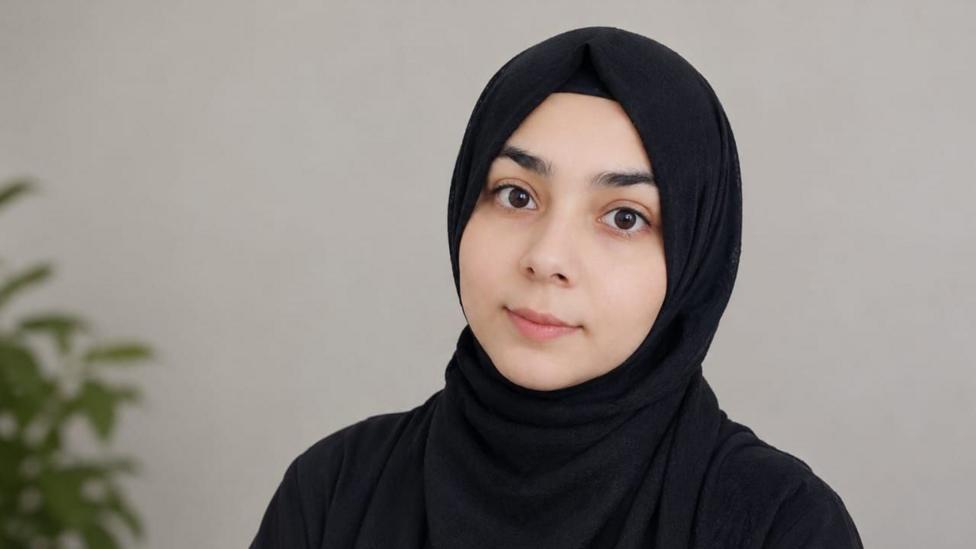
Shahira Sadat received an invitation to interview for a prestigious Chevening Scholarship, a moment that felt transformative after three years of navigating Taliban restrictions, power outages and internet disruptions to prepare her university applications. The software engineer in Kabul held three acceptance letters to study a master's degree in artificial intelligence and machine learning at Sussex, Bradford and Northeastern University London. Then, in March 2026, the UK Home Office announced an "emergency visa brake" that halted her dreams entirely.
According to BBC News, the Home Office suspended study visas for applicants from Cameroon, Myanmar, Sudan and Afghanistan, alongside a pause on skilled work visas for Afghans. The government said the measure responded to widespread visa abuse and a sharp rise in asylum claims from these routes. Home Secretary Shabana Mahmood described it as an "unprecedented decision to refuse visas for those nationals seeking to exploit our generosity". The United States had barred all visas for Afghan nationals earlier in 2026.
Sadat learned she would no longer be considered for study in the UK because of her nationality.
It was really heartbreaking. I lost all my motivation. I cried for hours and hours,she says.
It was not just about education for me; it was the opportunity to resume my career and to build a future for myself.
What barriers do Afghan women face in accessing education?
In Afghanistan, Taliban decrees have severely restricted women's lives. They cannot attend secondary schools or universities and are barred from most forms of employment. Afghan women seeking to study abroad must overcome extraordinary obstacles before even reaching the visa application stage.
In the western city of Herat, a woman we have identified as Alia received similar rejection letters after securing offers to study a master's degree in digital media in the UK. She describes the experience as leaving her trapped.
Everything is banned just because I am an Afghan woman,she says, her voice cracking with emotion.
Both Sadat and Alia attended clandestine educational institutions to prepare for English language proficiency tests, defying Taliban restrictions. When authorities discovered Alia's secret school, it was shut down, forcing her to continue lessons with an online tutor based in Canada. Most authorised test centres refused to admit female students, fearing repercussions from the regime.
Finding a UK university willing to recognise a degree earned in Afghanistan presented another hurdle. Throughout their preparations, both women experienced frequent power cuts that disrupted their work. They also feared a repeat of the nationwide internet shutdown imposed by the Taliban's supreme leader in September 2025. Many Afghan applicants struggle to physically apply for visas, as neighbouring countries have made it increasingly difficult for Afghan nationals to enter.
Having overcome these obstacles, Alia expressed frustration at the visa brake:
I want to say to the UK government: don't treat us like our government. They have deprived us of education, so the global community should have more focus on us.
What do the statistics reveal about Afghan student asylum claims?
Data from the Higher Education Statistics Agency shows that fewer than 400 of the more than 680,000 international students in the UK in 2024-25 were from Afghanistan. However, the Home Office previously stated that between 2021 and September 2025, Afghan asylum claims amounted to 95% of the study visas issued to Afghan nationals.
According to a House of Commons Library briefing, 360 Afghan study visas were issued with 470 associated asylum claims, representing a 131% conversion rate. For Afghan skilled workers, the figures show 90 visas issued against 110 asylum claims, a 122% conversion rate. The government's impact assessment estimated the visa brake would prevent 480 Afghan study visas and 90 Afghan skilled-worker visas over the assessed period, according to the government's published impact assessment.
Why do some Afghan students apply for asylum after arriving?
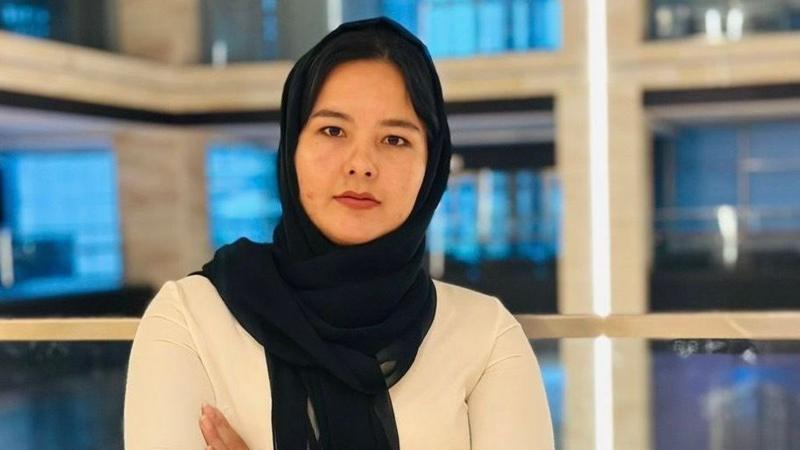
Zainab Rezaie, an Afghan student who moved to Birmingham in 2024 and later applied for asylum, offers insight into the decision-making process. She is pursuing a PhD in education at the University of Exeter.
Rezaie was deeply anxious about what would happen after graduation. She feared that if her visa expired before she could secure employment or transition to another visa category, she would be forced to return to Taliban-controlled Afghanistan where, given her field of study, she would be unable to work and her life prospects would be severely constrained.
She applied for asylum to
give myself some opportunity to think.
The biggest contrast is that I'm not in prison in my room. I have the right to move around every day, to go out, to exercise, to buy something. Living in Western society, you may never think that the freedom to go out at any time is a big advantage. But in Afghanistan, every move women make has to be strategised.
Rezaie emphasised that becoming an asylum seeker was not her choice.
It takes a lot of mental effort to live here on your own and to be separated from your family, to adjust to society… Nobody chooses this happily, willingly.
What alternatives exist for Afghan women seeking to study abroad?
The Home Office responded to questions about the suspensions by pointing to the reopening of the UK Resettlement Scheme for refugees,
including Afghan women and girls. It also stated it was introducing
named sponsorship and refugee study routes, which would give refugees
a safe pathway to come to the UK and rebuild their lives.
However, the Home Office did not clarify whether these routes would be available to women in Afghanistan who are not classified as refugees, such as Sadat and Alia, or specify how many places would be allocated to Afghans. Home Secretary Shabana Mahmood reopened the UK Resettlement Scheme on 28 September 2026, prioritising Afghan women and girls and Palestinians, though the scheme's capacity for non-refugee applicants remains unclear.
There are still opportunities for Afghans to study in Europe, Asia and elsewhere, but the women interviewed fear other countries will follow the United States and UK's lead. They perceive the international community as gradually closing its doors on them.
When will the visa brake be reviewed?
The visa brake applies to applications made from outside the UK, including those from applicants who already hold a valid Confirmation of Acceptance for Studies. The government describes the measure as temporary and subject to review. According to the government's impact assessment, an initial 18-month period has been set for the brake, after which it may be reviewed, extended or lifted.