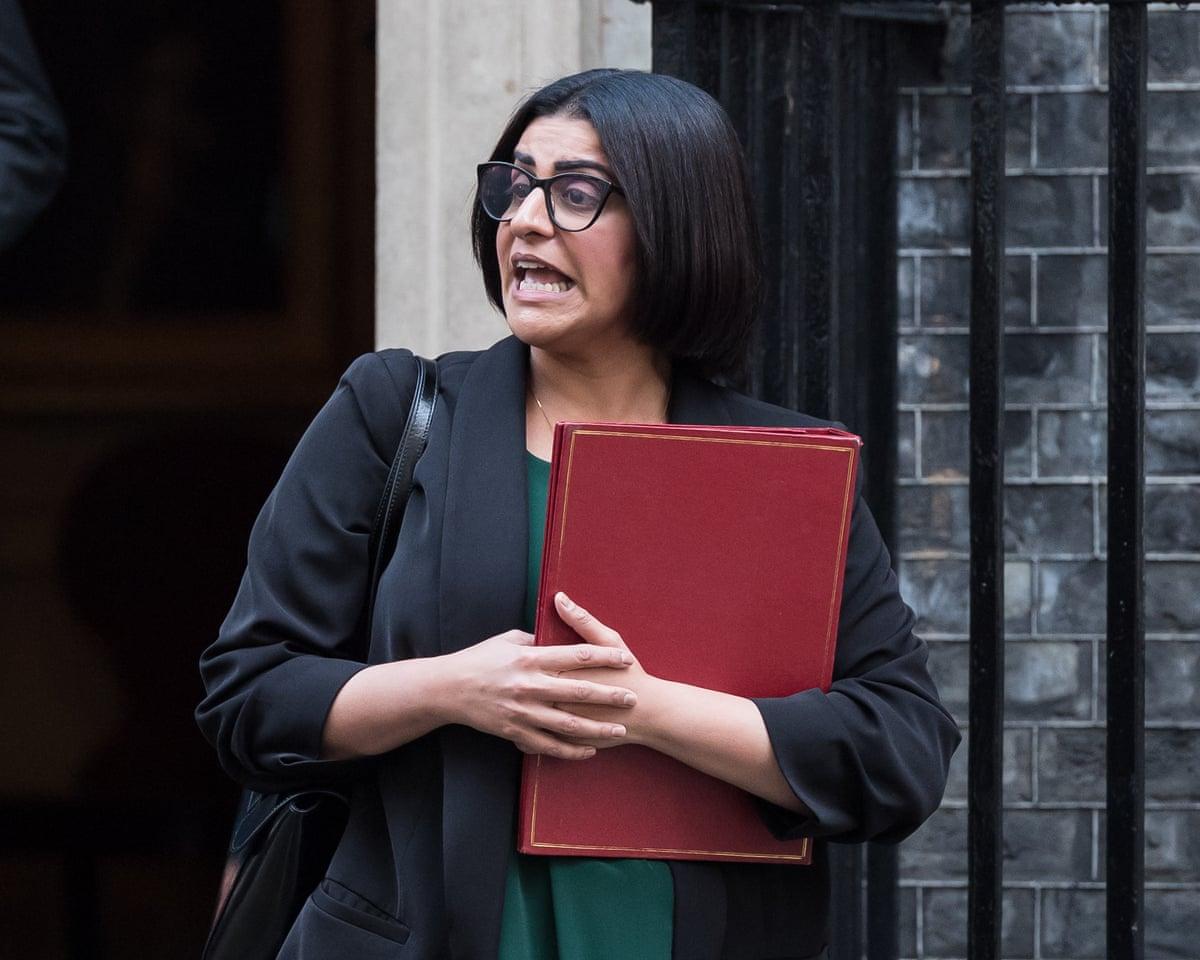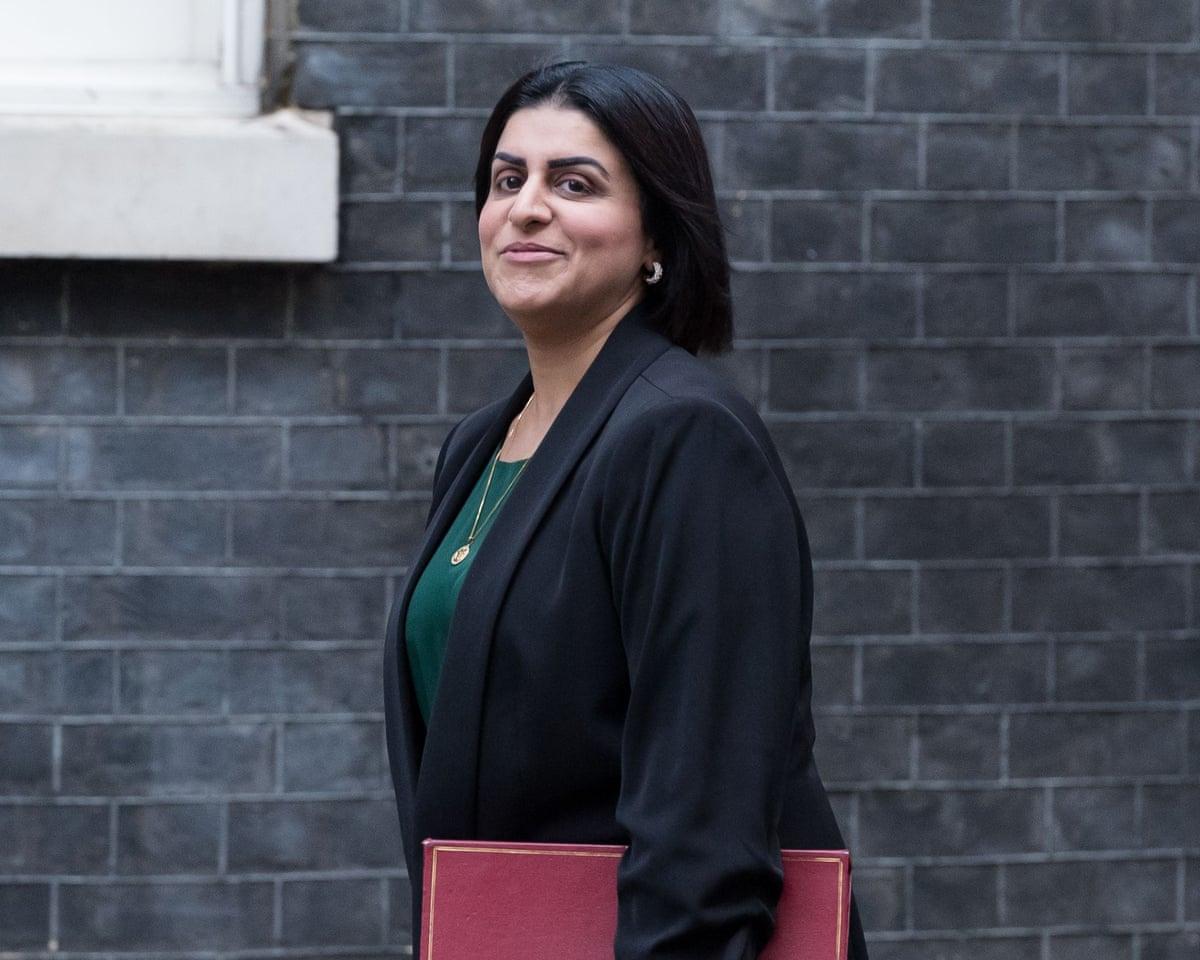
Justice Secretary Shabana Mahmood is set to address the National Police Chiefs' Council on 18 November 2026, pledging to confront what she describes as a "corrosive and growing perception" of two-tier policing in Britain. In her speech, she will acknowledge concerns that police treat different groups unequally while insisting that the vast majority of officers police impartially. According to The Guardian, Mahmood's approach reflects a strategy of addressing critics' concerns while maintaining Labour's progressive stance on policing and equality.
The perception of two-tier policing has become a significant political issue, particularly among those who argue that police have become overly cautious about enforcing the law against minority ethnic people for fear of accusations of racism. A More in Common poll conducted earlier in 2026 found that a third of Britons believe police treat people from ethnic minority backgrounds more favourably than white people, marking a doubling of this belief over the previous two years. However, evidence suggests the reality is more complex: Black people remain more likely than any other ethnic group to be subjected to almost every form of police force, from handcuffing and dog bites to firearms and Tasers, when compared with population or arrest figures.
What will Mahmood's speech contain?
Mahmood will not claim that two-tier policing actually exists, but she will argue that responding to the perception is essential for public confidence in law enforcement. In her remarks to chief constables and police and crime commissioners, she will state:
We must tackle head-on the corrosive and growing perception of two-tier policing in this country. Now let me be clear: I know the vast majority of officers police impartially and that policing without fear or favour is their creed. But there have been examples of differential treatment and they have harmed policing, allowing people – often motivated actors – to whip up the idea that there is two-tier policing in this country.
She will also warn officers against engaging with what she terms "activist groups," telling them to focus on community engagement through residents' associations and local discussions rather than campaigning organisations.
Community engagement should mean going to a residents' association meeting and discussing local issues. It can be over tea and biscuits, or tea and samosas, but it doesn't mean engaging with activist groups and campaigners who are pushing an agenda and not representing a community. Leave the politics to the politicians – and we will leave the policing to you.
What new measures will be introduced?
Mahmood will announce a new national "impartiality standard," developed by the College of Policing, designed to consolidate guidance and ensure all members of the public are treated equally regardless of race, faith or other characteristics. According to The Independent, the proposed guidance will cover practical situations including officers wearing symbols on badges or lanyards and their conduct at community-led events. The College of Policing's new impartiality standard is due to be developed and put to consultation in 2027.
Additionally, ITV News reports that Mahmood will announce a fast-track leadership route for 200 recruits, offering a five-to-10-year path to superintendent rank. This scheme will be open to serving officers, police staff and external applicants without a degree requirement, addressing what she describes as sometimes "inadequate" leadership in police forces.
How does this address the diversity problem?
Mahmood will describe it as "shameful" that the proportion of Black police officers has remained virtually unchanged 33 years after the murder of Black teenager Stephen Lawrence in 1993. She will use this stark statistic to justify her focus on leadership development and recruitment. However, she will also caution against what she calls "misguided attempts at course correction," arguing that some equality initiatives have risked undermining confidence in impartial policing.
Her criticism appears directed at the Police Anti-Racism Commitment and similar guidance documents that have been frequently attacked by Conservative and Reform UK politicians. One contentious element of such guidance states that producing equality of policing outcomes "does not mean treating everyone 'the same'." Mahmood will argue:
We must also be wary of misguided attempts at course correction, where the pursuit of equality leads instead to differential treatment. To the public, it was patently absurd to tell police officers that fair policing does not mean treating everyone the same.
What is the political context?
Mahmood's speech comes at a time when the government faces sustained pressure from anti-migrant populists, including Reform UK and elements within the Conservative party, over policing and public order. As a former home secretary and current justice secretary, she has positioned herself on the frontline of debates between progressive politics and right-wing populism. Her strategy has involved acknowledging legitimate concerns raised by critics while maintaining Labour's commitment to equality and fair treatment.
The announcement follows controversy earlier in 2026 over National Police Chiefs' Council race guidance, which prompted accusations of bias. The NPCC subsequently indicated it would review the wording of its guidance in response to political criticism.
What did other senior figures say?
David Lammy, the Foreign Secretary and former justice secretary, appeared on the Today programme on 18 November 2026 to discuss the issue. When asked about Mahmood's speech, he stated:
I don't think that there's two-tier policing in Britain. But I think there's a perception of two-tier policing because of too many guidelines that are not straightforward. If [Shabana Mahmood] is tidying that up – I haven't seen the detail [of her speech later] – then I would welcome that.
Lammy also used his Today interview to reiterate his call for the UK to rejoin the European Union, a position that represents a significant shift from Labour's 2024 election stance. Prime Minister Andy Burnham has previously indicated that rejoining the European Union could be among options the government examines to reshape the UK's long-term relationship with the bloc. Lammy argued that Burnham should propose EU membership in Labour's next manifesto, saying it would address three key questions: growth, security and migration control.
In his remarks, Lammy stated:
Burnham has to show how joining the EU passes the Makerfield test. I believe to do that it should answer three questions. What will deliver the most growth? What will deliver the most security? And what will help prevent uncontrolled irregular migration? The customs union doesn't deliver major growth on its own. The single market without EU membership gives Britain economic growth but with little influence over the rules we follow. Only membership answers all three questions. On migration, it would put Britain back inside the EU's asylum returns system, giving us access to the tools we lost in 2020 and have only been rebuilding piecemeal ever since. The ability for Brits to live and work in Europe and Europeans to live and work in Britain with free movement would return. But I believe, like Ireland, we can remain outside Schengen, and, like Sweden, we can stay out of the eurozone. Burnham's Labour should go into the next election clear that its intention is to rejoin the EU. Forming the next government would give it the mandate to begin formal negotiations. Once a deal is agreed, this should be put to the people against the status quo. Unlike the last referendum, the public should have the opportunity to decide between two clearly defined choices.
Lammy also suggested that towards the end of Keir Starmer's time as Prime Minister, he had attempted to persuade Starmer to abandon Labour's red lines on Europe at the next election, but Starmer resisted the proposal.
What other developments occurred on 18 November 2026?
Lucy Powell, the Labour deputy leader, criticised media organisations for broadcasting a message from imprisoned comedian Russell Brand. Brand's wife Laura Gallacher shared a message from the jailed sex offender in which he maintained his innocence regarding the offences for which he is serving a 10-and-a-half year sentence. Gallacher read out the message on a YouTube podcast on Sunday, prompting an official investigation into whether Brand had breached prison rules. Powell said:
I was appalled at that and actually I think mainstream media shouldn't have transmitted that either.She added that Brand was "someone who's not showing a jot of remorse, a jot of any sensitivity at all to their victims" and described him as "somebody who's been convicted and found guilty of very, very serious offences and rape."
Prime Minister Andy Burnham indicated he would consider cuts to national insurance for young people "very carefully" as a means of creating more youth employment opportunities. The proposal reflects government efforts to address youth unemployment and economic participation.
Foreign Secretary David Lammy also confirmed that he would not be standing to be Labour's next candidate for mayor of London, stating he was still enjoying national politics. There had been speculation that he might apply if Sadiq Khan decided not to stand for a fourth term in 2028. Khan had been expected not to seek a fourth term, but with government plans to beef up the powers available to mayors, making the job more attractive, there is increasing speculation that he will attempt to remain in office.
What are the key facts?
- A More in Common poll found that a third of Britons believe police treat ethnic minority people more favourably than white people, a figure that has doubled over two years.
- Black people remain more likely than any other ethnic group to experience police use of force, including handcuffing, dog bites, firearms and Tasers, according to comparative data.
- The proportion of Black police officers has remained virtually unchanged 33 years after Stephen Lawrence's murder in 1993.
- The College of Policing's new impartiality standard will be put to consultation in 2027.
- A fast-track leadership scheme will offer 200 recruits a five-to-10-year path to superintendent rank, open to serving officers, police staff and external applicants without degree requirements.