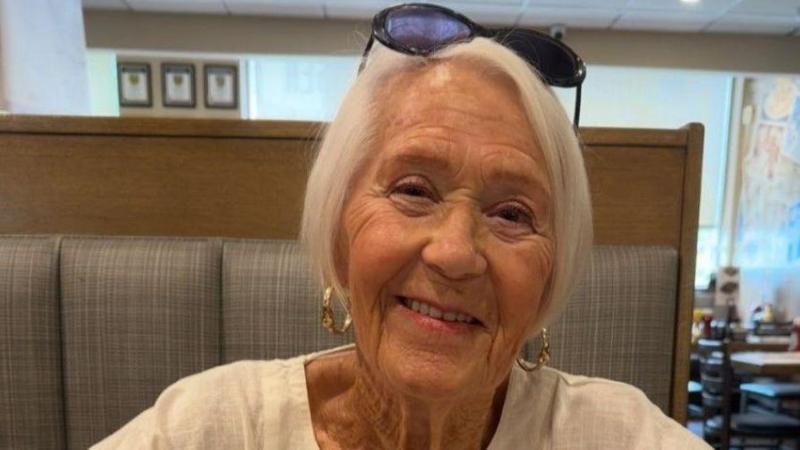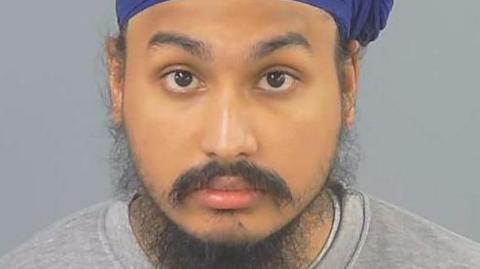
Vickrum Digwa, convicted of fatally stabbing 18-year-old Henry Nowak in Southampton, has applied to appeal against his murder conviction and is also seeking a review of his sentence, according to BBC News. Digwa's legal team has confirmed the applications, which come after the Court of Appeal recently increased his minimum term from 21 to 25 years following arguments from the Attorney General that the original sentence was unduly lenient.
The stabbing occurred on 3 December 2025 on Belmont Road in Southampton, when Digwa used a 21-centimetre blade against the 18-year-old student. Digwa claimed he carried the dagger as part of his Sikh faith and told police that Nowak had attacked and racially abused him—allegations the trial judge later determined to be false. Nowak, from Chafford Hundred in Essex, was handcuffed while dying from his injuries.
Digwa's lawyers, Imran Khan and Partners, stated:
An application has been lodged seeking to appeal against Vickrum Singh Digwa's conviction. That application concerns the safety of the conviction and is separate from the proceedings concerning sentence.
According to the Court of Appeal judgment, the revised minimum term is 24 years and 190 days after deducting 175 days spent on remand. The court found that the original sentence understated the repeated use of the dagger and the cruelty and obstruction that followed the killing. The hearing was conducted before Lady Chief Justice Baroness Carr, Mr Justice Nicklin and Mr Justice Wall.
What grounds is Digwa using for his conviction appeal?
Digwa is arguing that his conviction for murder is unsafe on four separate grounds. One key argument concerns WhatsApp messages that Nowak sent when he was approximately 13 years old. Digwa's legal team wanted to present these messages as evidence of a history of racist language by Nowak, but the trial judge ruled them irrelevant and inadmissible. The messages were discovered by police during their examination of Nowak's phone.
A second ground relates to police recordings of Digwa confessing to the stabbing. Digwa contends that the jury should not have been informed of these secret recordings, arguing that their admission breaches evidence rules governing such material.
The applications do not guarantee that Digwa will receive any further hearings or reviews. According to BBC reporting, no decision on whether Digwa's application for permission to appeal his conviction can proceed had been made at the time of the latest reporting.
What was the original trial outcome?
Digwa was sentenced to life imprisonment at Southampton Crown Court in June with an initial minimum term of 21 years. This minimum term was subsequently increased to 25 years following the Court of Appeal hearing, in which prosecutors argued the original sentence failed to reflect the severity of the offence.
The trial judge found Digwa's claims that Nowak had attacked him and subjected him to racial abuse to be fabricated. Despite these findings, Digwa has now mounted a formal challenge to his conviction itself, separate from his earlier unsuccessful attempt to reduce his sentence.
What happened to others involved?
Digwa's mother, Kiran Kaur, was convicted of assisting an offender after removing the knife from the murder scene and was sentenced to three years in prison. Her involvement in concealing evidence compounded the tragedy for Nowak's family and added a further dimension to the legal proceedings surrounding the case.
What happens next?
Digwa's application for permission to appeal his conviction is being considered separately from the sentencing proceedings. The outcome of this application will determine whether he receives a fresh hearing to argue that his conviction is unsafe based on the grounds his lawyers have outlined.