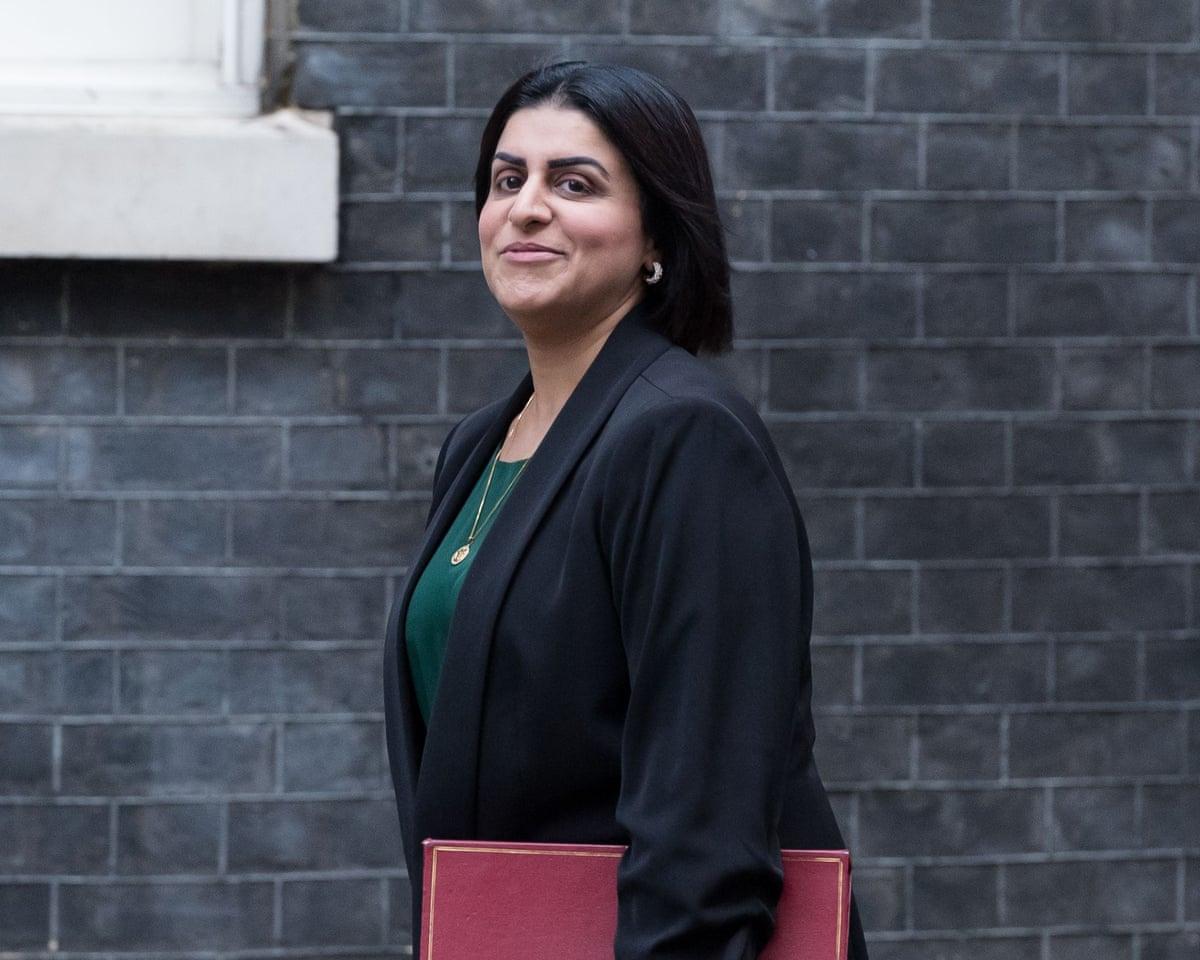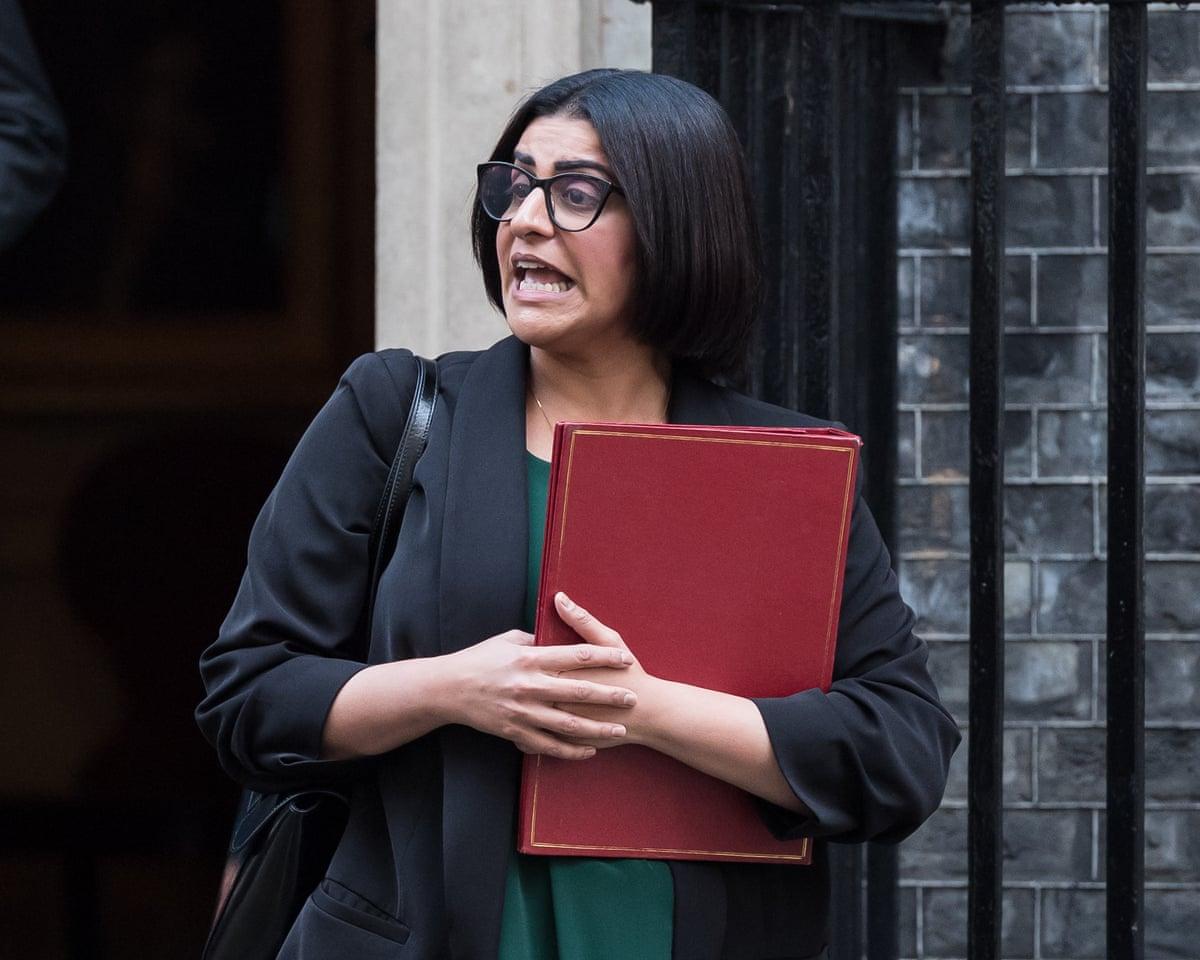
Home Secretary Shabana Mahmood will present plans on Wednesday to address the "corrosive and growing perception" of two-tier policing, announcing a new impartiality standard designed to ensure consistent treatment across all communities. The initiative follows mounting public concern about differential policing practices, with Mahmood warning police leaders that "misguided attempts at course correction" can undermine fair enforcement of the law.
According to The Guardian, Mahmood will address chief constables and police and crime commissioners at the National Police Chiefs' Council (NPCC), emphasising that while the vast majority of officers police impartially, documented examples of differential treatment have damaged public confidence in the service.
The new impartiality standard, to be developed by the College of Policing, will consolidate guidance on key principles into a single framework. The Telegraph reported that the Home Office says the standard will guide officers to apply the law consistently, based on evidence and professional judgment, regardless of a person's race, faith or other characteristics. The guidance will also address specific scenarios such as wearing symbols on badges and lanyards, and advise officers on appropriate conduct at community-led events.
Why is two-tier policing a concern?
Public perception of unequal policing has grown significantly. A More in Common poll conducted this year found that a third of Britons believed police treat people from minority ethnic backgrounds more favourably than white people, representing a doubling of this view over two years. The controversy intensified following the death of Henry Nowak in December 2025, when police handcuffed him as he lay dying after his attacker falsely accused him of racial abuse. Reform UK leader Nigel Farage subsequently called for an end to what he described as "two-tier policing."
The announcement also addresses criticism of previous guidance issued by the NPCC. The police leadership body had issued race guidance stating that fair policing "does not mean treating everyone the same"; the NPCC subsequently said it would review the wording after the statement drew significant backlash.
What will the impartiality standard cover?
Mahmood will tell the NPCC that some approaches intended to promote equality have risked undermining confidence in impartial policing. She will state:
"We must also be wary of misguided attempts at course correction, where the pursuit of equality leads instead to differential treatment. To the public, it was patently absurd to tell police officers that fair policing does not mean treating everyone the same."
The standard will be subject to consultation next year, with the BBC reporting that the College of Policing is expected to issue impartiality guidance in spring. Mahmood will also urge officers to avoid becoming drawn into political activism, distinguishing between legitimate community engagement and engagement with activist groups. She will say:
"Community engagement should mean going to a residents' association meeting and discussing local issues. It can be over tea and biscuits, or tea and samosas, but it doesn't mean engaging with activist groups and campaigners who are pushing an agenda and not representing a community. Leave the politics to the politicians – and we will leave the policing to you."
What about police leadership diversity?
Mahmood will tell the NPCC that it is "shameful" that, 33 years after the murder of black teenager Stephen Lawrence, the proportion of black officers remains virtually unchanged. To address this, she will announce plans to fast-track talented recruits to senior ranks. ITV News reported that the fast-stream scheme is planned to place 200 recruits a year—including serving officers, police staff and external entrants, with or without degrees—on a five-to-10-year route to superintendent.
The fast-track programme follows a Police Leadership Commission report in June, which found police leadership was at times "staggeringly" poor. The initiative aims to bring fresh talent into senior positions and address longstanding gaps in the diversity of police leadership.
What do police leaders say?
Gavin Stephens, chair of the NPCC, acknowledged the tension between promoting equality and maintaining impartial policing. He said:
"Public trust depends on the police being seen to act fairly and impartially. Barriers to justice remain, discrimination still exists within our own ranks, and we rely on the trust and confidence of all communities to do our job. A diverse service is a stronger service. Equally, there have been occasions where well-intentioned approaches and our language have led some people to question whether policing has remained focused on its core purpose. We should take those concerns seriously."
What happens next?
The College of Policing will conduct consultation with the policing sector next year, with impartiality guidance expected to be issued in spring. The new standard will then be formally implemented across police forces in England and Wales.