Northern Ireland's assembly has endorsed fresh regulations governing the sale of puppies and kittens, though stakeholders remain divided on whether the measures possess sufficient teeth to combat the region's thriving illegal breeding sector.
Legislation designed to address Northern Ireland's illegal puppy trade received approval earlier this week. If enacted as planned, Lucy's Law would align Northern Ireland with the rest of the United Kingdom by prohibiting third-party commercial sales of puppies and kittens. Minister Andrew Muir presented the framework at a gathering of veterinarians, animal welfare organisations and legal professionals on Tuesday, characterising Lucy's Law as
"a major step" forward in disrupting dealer chains and strengthening safeguards for puppies and kittens.
However, some frontline rescue operators have contended that the regulations fall short of what is needed, pointing to loopholes that could remain vulnerable to exploitation. The Executive has approved the proposals, but they must still navigate the legislative and Assembly processes before becoming law, according to reporting on the approval process.
Lucy's Law originated in England and Wales in 2020 and subsequently expanded to Scotland in 2022. The framework targets illegal puppy farming—a significant problem in Northern Ireland—by banning third-party commercial transactions involving young puppies and kittens. Implementation is scheduled for the end of 2026, which would require prospective buyers to meet breeders in person and observe a puppy or kitten alongside its mother at the breeding location.
The transfer or sale must also occur at that same location, a requirement that one breeder noted would
"stop people handing over dogs in car parks and filling station forecourts".According to additional reporting on the proposed rules, breeders and sellers would be required to register with their local council, with advertisements needing to display the animal's age, location, relevant council area and a photograph showing the puppy or kitten with its mother.
Will Lucy's Law produce meaningful change?
The Department of Agriculture, Environment, and Rural Affairs (Daera) holds optimistic expectations for the legislation. Officials stated it would disrupt dealer networks that obscure poor breeding conditions, enhance protections for animals and furnish owners with clearer information regarding an animal's origins. Minister Muir declared:
"The regulations will increase transparency and make it harder for irresponsible operators to conceal poor breeding practices."
Yet consensus does not extend across the animal welfare sector.
What gaps concern animal rescue advocates?
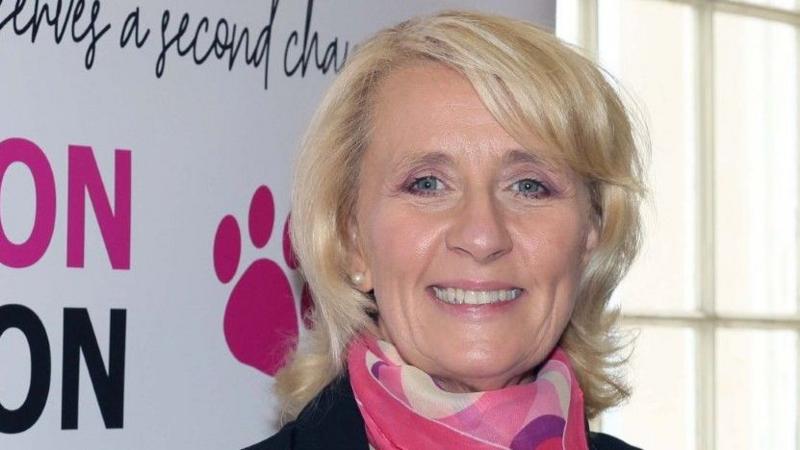
Tara Cunningham of Causeway Coast Dog Rescue, who was present at Stormont when Minister Muir addressed the assembly, characterised the legislation as representing
"progress" but "left gaps" in Northern Ireland's animal welfare regulations.She stated:
"While Causeway Coast Dog Rescue thanks the minister for bringing this through... we are deeply disappointed the breeding register has been off the table within this mandate."
For years, Cunningham has advocated for a more comprehensive and stringent version of Lucy's Law tailored to Northern Ireland, yet the version anticipated to enter statute law mirrors the original framework closely. Her principal concern centres on the legislation's failure to establish a breeding sale and supply register.
Such a system would maintain records of all dog breeders—encompassing small-scale operators known as hobby breeders—throughout Northern Ireland, extending beyond those meeting the criteria requiring a licence. Cunningham argued that registering all breeders would have enabled
"premises could be checked at any time by the council"."She further noted that while the law addresses third-party selling within Northern Ireland,
"it does not address moving dogs to another country for sale and how the cross partnership of UK countries address this"."
A DAERA consultation on the proposed seller-and-supplier register operated from 2 June to 25 August 2025, gathering stakeholder input before the current framework was finalised.
The Ulster Society for the Prevention of Cruelty to Animals (USPCA), one of Northern Ireland's largest animal welfare organisations, characterised the region's version of Lucy's Law as
"a welcome and important step forward"."Heather Weir of the USPCA stated they
"regularly see the consequences of an inadequately regulated puppy trade"."
Weir drew an important distinction between two dimensions of Northern Ireland's puppy trade challenge. She explained:
"While thousands of puppies from large-scale commercial breeding establishments are transported to Great Britain for sale, we continue to see first-hand the welfare consequences associated with smaller-scale and backyard breeding here in Northern Ireland."
What concerns do rescue workers express?
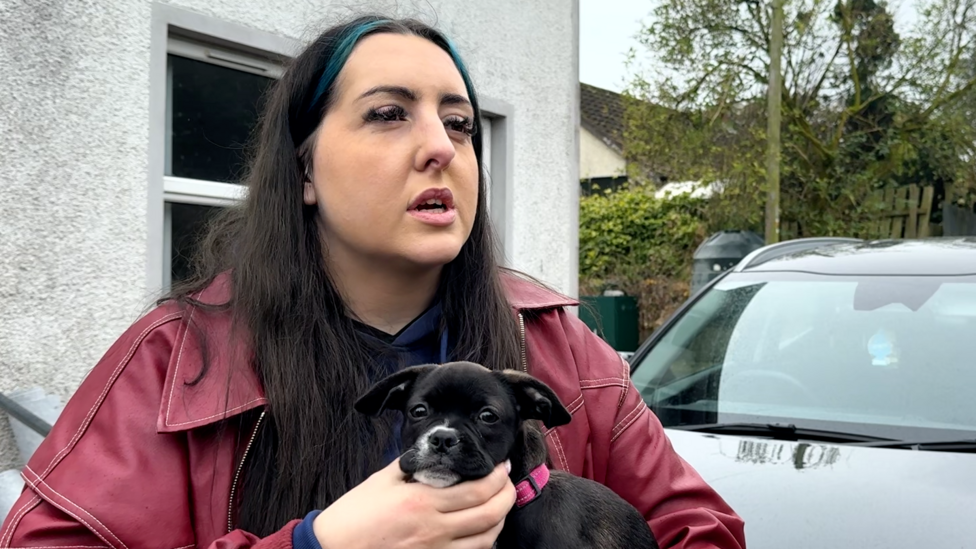
Several frontline rescuers harbour doubts about Lucy's Law's capacity to generate meaningful impact on Northern Ireland's puppy trade. Kerry-Louise Lewis, who operates Just Like Home Rescues near Carrickfergus, has visited approximately 25 puppy farms to rescue mistreated animals. She contended that tackling the puppy black market depends entirely on regulation and enforcement.
Lewis argued that while Lucy's Law might channel additional dogs toward rescue centres, it would not prevent their breeding in the first place. She stated:
"Breeders are already selling dogs across the country illegally," and "those same people will continue doing that"."
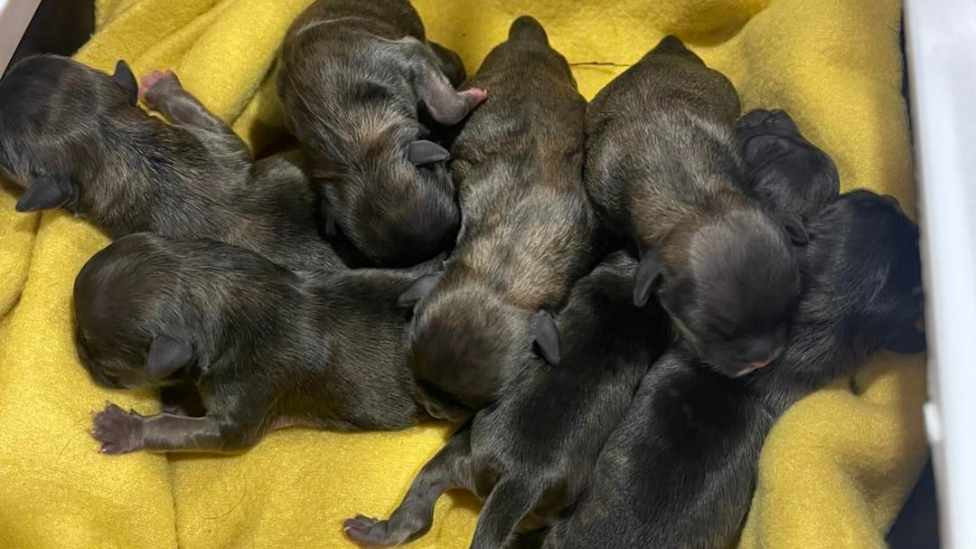
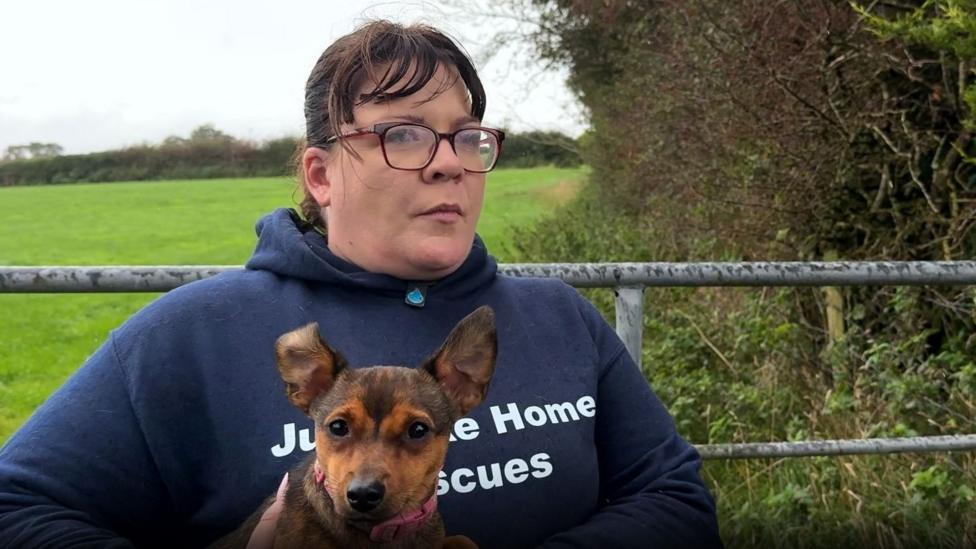
Her colleague, Kerry Graham, noted they have rescued
"thousands of abused cats and dogs, many abandoned kittens and puppies"over the preceding decade. Just the previous week, they rescued four puppies discovered abandoned in a cardboard box. Graham recounted:
"Fleas were eating them alive"and one ultimately perished.
Such incidents—extreme yet disturbingly routine—have occasionally prompted Graham to contemplate stepping away from rescue work. However, she acknowledged she cannot abandon the effort, stating:
"there is too much work left to do"."
Which breeders view the law more positively?
Conversely, certain operators within the breeding community perceive promise in the legislation. Joanne Smith, proprietor of Kilworth Danes in Gilford, characterised Lucy's Law as
"a massive step in the right direction"while acknowledging that additional measures remain necessary.
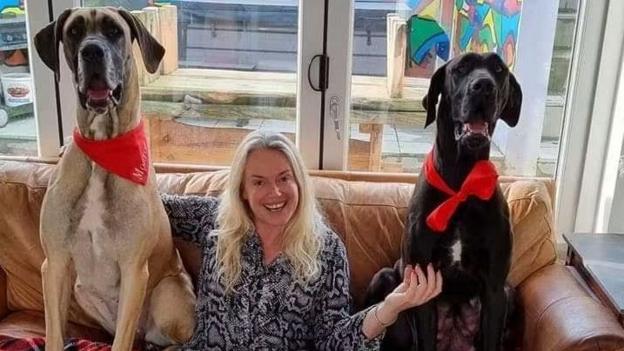
Smith noted that Lucy's Law furnishes legal legitimacy to the practice of face-to-face breeding and sales transactions. She explained:
"It stops people handing over dogs in car parks and filling station forecourts."Nevertheless, she cautioned it would not eliminate large-scale commercial operations. She observed:
"Just because you have a licence doesn't make what you're doing ethical. There are some breeders who have 200 bitches and the animals are all machine fed. Lucy's Law can't stop that but we need one that will. But this is a good first step."
Eimear Tubman, who operates Dogsni.love—described as
"Northern Ireland's only ethical dog site, advertising dogs for sale, stud and related services"—contended that Lucy's Law will
"make it harder for unscrupulous sellers to hide behind third-parties"."She added:
"That has to be a positive step."
Most animal charities contacted by news organisations stated they could not endorse any dog breeders. Tubman criticised this stance, emphasising the importance of distinguishing responsible operators from problematic ones. She argued:
"There are some wonderful breeders in Northern Ireland who devote enormous amounts of time, care and money to doing things properly. We should absolutely call out poor breeding practices, but we should also recognise and support the people who genuinely put their dogs first."
How do breeding licences function in Northern Ireland?
In Northern Ireland, breeding licences are obtained through local councils. A licence becomes mandatory when premises satisfy any of three conditions: maintaining three or more breeding bitches on the property; breeding, advertising or supplying three or more litters within a 12-month period; or operating a business that advertises or sells breeding dogs. Under Northern Ireland's 2013 dog-breeding regulations, these thresholds have governed licensing requirements for over a decade.
Licence fees fluctuate based on the quantity of breeding bitches, ranging from £150 for ten or fewer animals and escalating to £350 for more than 200, with an additional £50 charge for each additional 100 dogs.
Can individuals breed dogs without a licence?
Yes, unlicensed breeding remains permissible. Exemptions extend to hobby breeders, hunt clubs and recognised animal charities. Hobby breeders are defined as individuals maintaining only one or two breeding bitches and producing fewer than three litters annually.
What penalties apply to those violating breeding regulations?
Licences impose stringent requirements. Bitches must reach 12 months of age before breeding commences. A single bitch may produce a maximum of three litters every three years and no more than six litters throughout her lifetime. Puppies must remain with their mother until reaching eight weeks of age. All dogs and puppies must be microchipped, regardless of whether they originate from a licensed breeding facility or a one-off domestic litter.
Operating a breeding establishment without a valid licence or violating licence conditions can result in fines reaching £5,000 and/or six months imprisonment.
What comes next for Lucy's Law?
Daera intends to bring the regulations forward by the end of 2026, with local councils expected to assume an enforcement role. The proposed rules would require puppies to be at least eight weeks old and weaned before supply, establishing additional welfare safeguards beyond current practice.