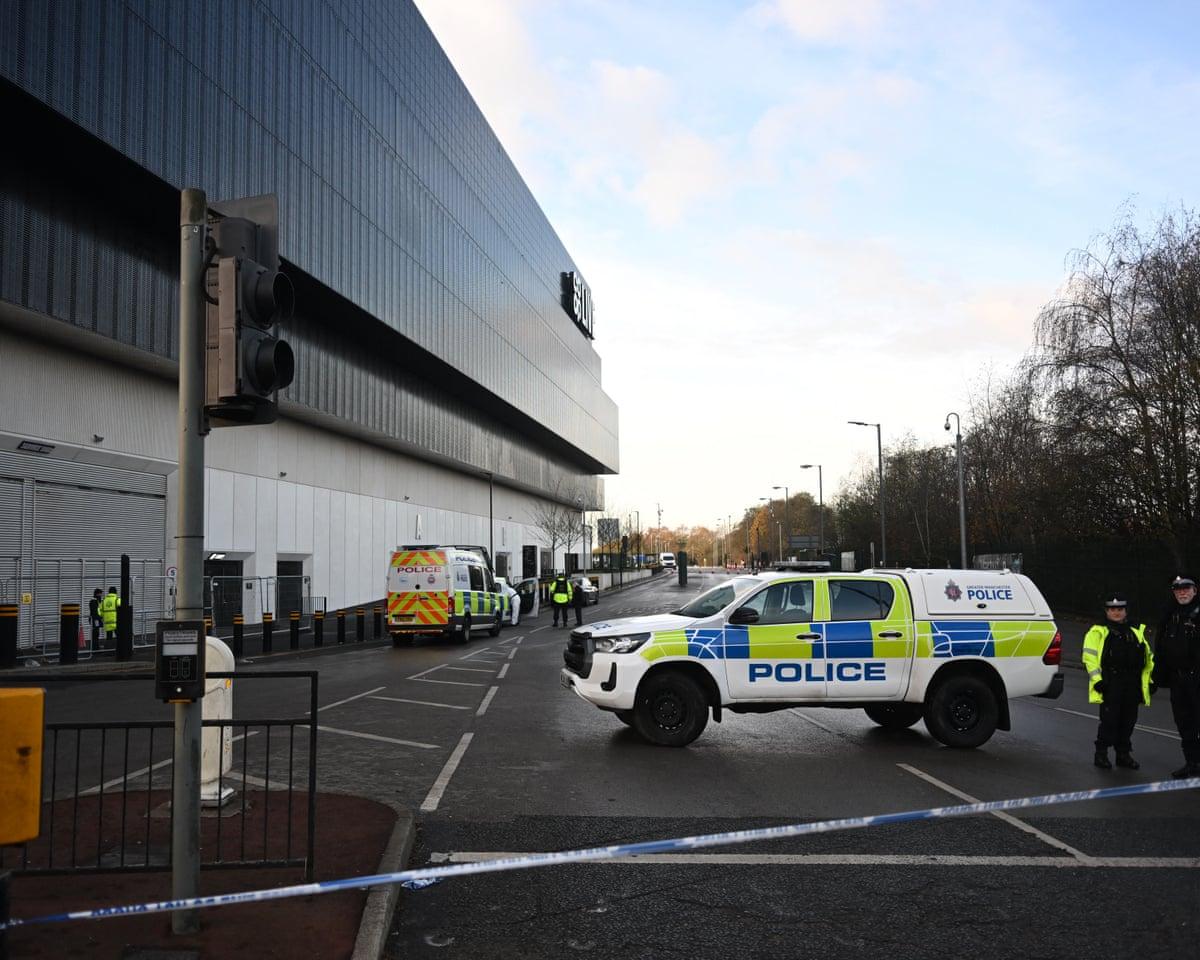
Northern Ireland Secretary Sir Chris Bryant has banned the Orange Order's contentious Drumcree parade after negotiations between the Portadown District Lodge and Garvaghy Road residents failed to reach agreement. The decision came on Friday following a 13-day standoff, with the Police Service of Northern Ireland (PSNI) chief constable warning that allowing the procession could lead to serious injury, disorder and wider unrest across Northern Ireland.
What compromise options were considered?
During intensive talks at Hillsborough Castle over the past fortnight, two possible compromises were explored. One proposal would have allowed the Orange Order to complete a single final march along the Garvaghy Road on the condition it would not apply to march the route again. The other would have seen the group accept that it had won the right to march but agree not to exercise that right. Sir Chris said he believed an agreement had been close, but neither proposal secured backing from both sides.
"I thought we were very close to an agreement, but unfortunately that was tantalisingly difficult to achieve," he said. "One was what people called one done and dusted. In other words, they would do one march and never apply again. And another version was that they would accept that they had won the right, but they wouldn't exercise that right."
Why did the secretary of state intervene?
The PSNI chief constable requested intervention under the Public Processions (Northern Ireland) Act 1998, warning that the consequences of police forcing an Orange Order march down the Garvaghy Road "could be catastrophic." Sir Chris said he could not see how the procession could safely take place given the policing assessment. According to the government statement, the chief constable warned that enabling the procession would require major intervention, with an unacceptable risk of serious injury, disorder and wider contagion across Northern Ireland.
What is the Drumcree dispute?
Drumcree was one of Northern Ireland's most serious parading disputes. When the Orange Order was prevented by police from walking down the Garvaghy Road in July 1995, there was a tense standoff that continued for the next three years, accompanied by riots, roadblocks and killings. The Parades Commission began operating in 1998 to regulate parades and try to defuse tension around marches.
For decades, the situation settled into a relatively minor standoff that no longer made headlines. However, that changed when the Parades Commission ruled that the march scheduled for 27 September 2026 could go ahead with restrictions in place. That morning, up to 1,000 people—including Northern Ireland First Minister Michelle O'Neill—blocked the road, preventing Orangemen from marching from Drumcree Church a mile to the west.
Since then, residents maintained a constant presence around the road while Orangemen repeatedly attempted to march the route before being turned back by police. The policing operation over the dispute had cost approximately £3 million as of last Thursday.
What are the wider implications?
There had been concerns that the dispute could lead to the collapse of Northern Ireland's power-sharing executive. However, Sir Chris said the institutions had remained in place despite the tensions. "The institutions of the Good Friday Agreement are probably more resilient than people think," he said.
The dispute has also prompted a police investigation. According to the government statement, the Parades Commission said it considered that, in light of the chief constable's assessment, its original determination no longer had enduring legal effect, while noting that the courts would ultimately decide the matter. First Minister Michelle O'Neill confirmed she had received a letter from police investigating protests over Drumcree, and police began issuing letters inviting people "reasonably suspected" of committing offences linked to the protests to interview.
What happens next?
The procession cannot go ahead under the original determination. The government statement gives no further scheduled date or next hearing. The Court of Appeal is considering whether to allow a challenge to the Parades Commission's ruling, which has been lodged by residents.