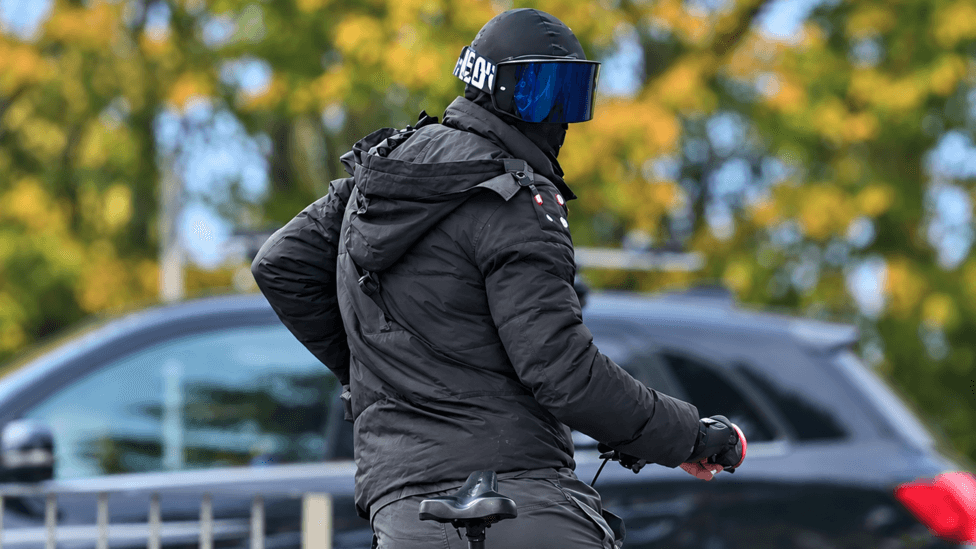
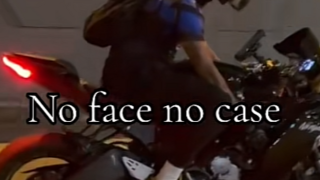
Face coverings including balaclavas could be restricted in multiple city centres across the UK as officials respond to concerns about crime, antisocial behaviour and intimidation. Newport, Coventry, Stafford and Wolverhampton are all examining ways to strengthen existing powers to challenge those wearing balaclavas, while Nottingham has already introduced enforceable restrictions. The moves follow a social media trend in which the hashtag "no face no case" is being used to glorify face coverings as a way to evade identification and prosecution.
Police forces across the country have reported that face coverings are significantly hampering their ability to identify potential offenders involved in robberies, burglaries, drug dealing and other crimes. The issue has become prominent enough that local authorities are now treating it as a priority in their efforts to improve public safety and reduce antisocial behaviour in town centres.
What are young people saying about a potential ban?
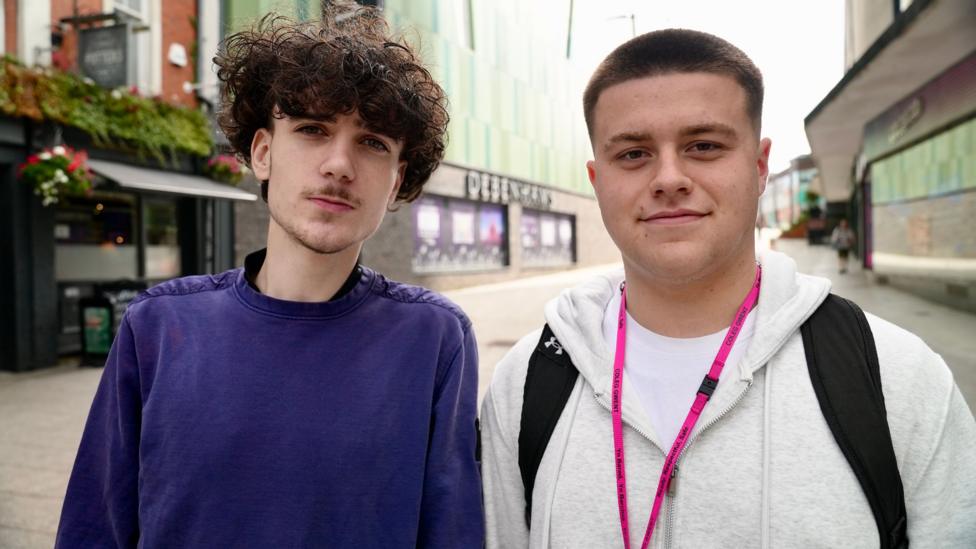
Support for restrictions is coming from residents of affected areas. Newport college students Luie and Nath, both aged 16, back the proposal.
"It just looks dodgy," said Luie. "I think they should ban it. I think if you wear one you're up to no good. If you stop these face coverings, you'll stop crime, people can recognise you, there's CCTV everywhere, if you remove face coverings - it's a simple fix really."
"There's a lot of crime going on and they're common around the city centre," Nath added. "I just don't think they need to wear them - bad things come with them."
How are residents experiencing the impact?
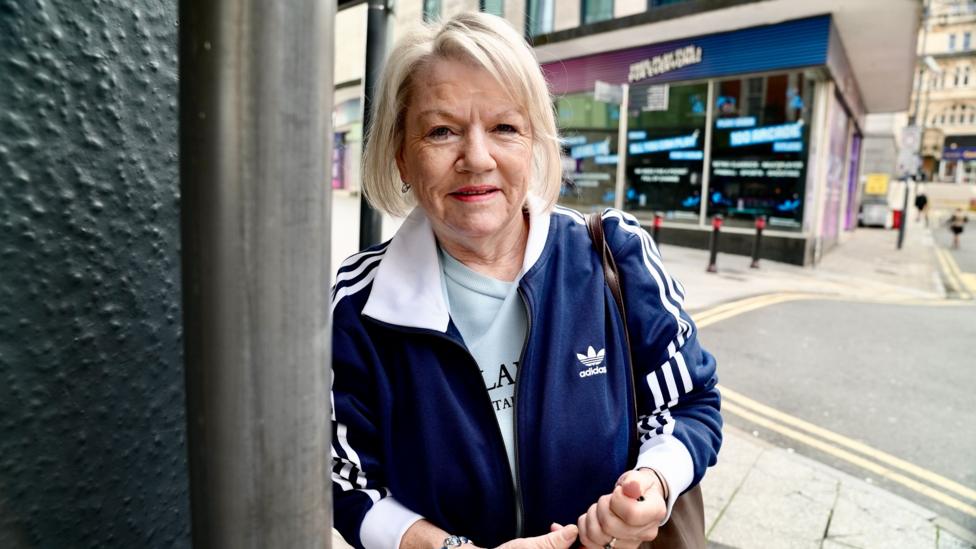
Members of the public report feeling unsafe in city centres where balaclava-wearing riders are prevalent. One resident, Gabrielle, described the intimidating effect of such encounters.
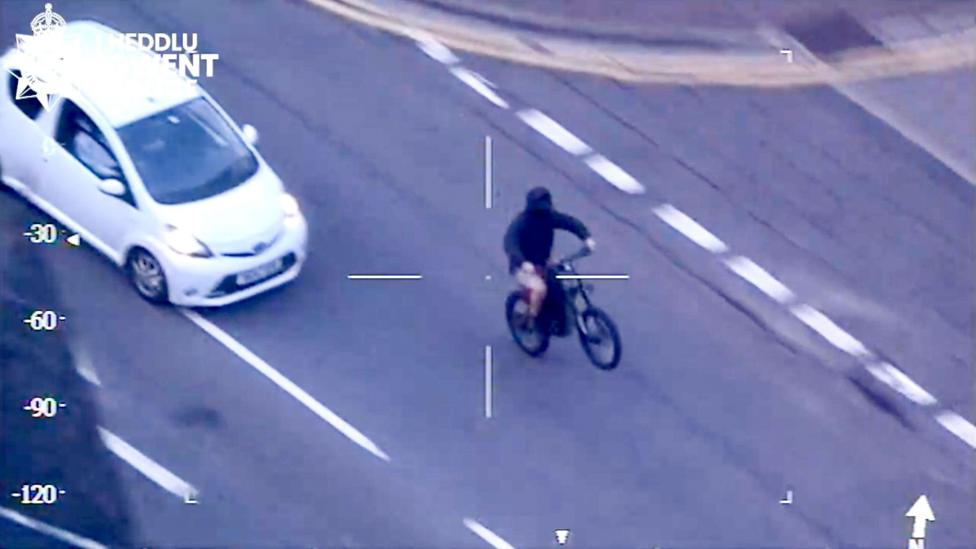
"I think it's a good idea - they go around on their motorbikes intimidating people with their balaclavas on - and probably involved in crime and never get caught,"she said.
"It's quite intimidating when you're walking and they just zoom past you. I don't very often go into town - you feel intimidated wherever you go because there's a lot of antisocial behaviour going on. I tend to stay out of their way."
What concerns exist about religious freedom?
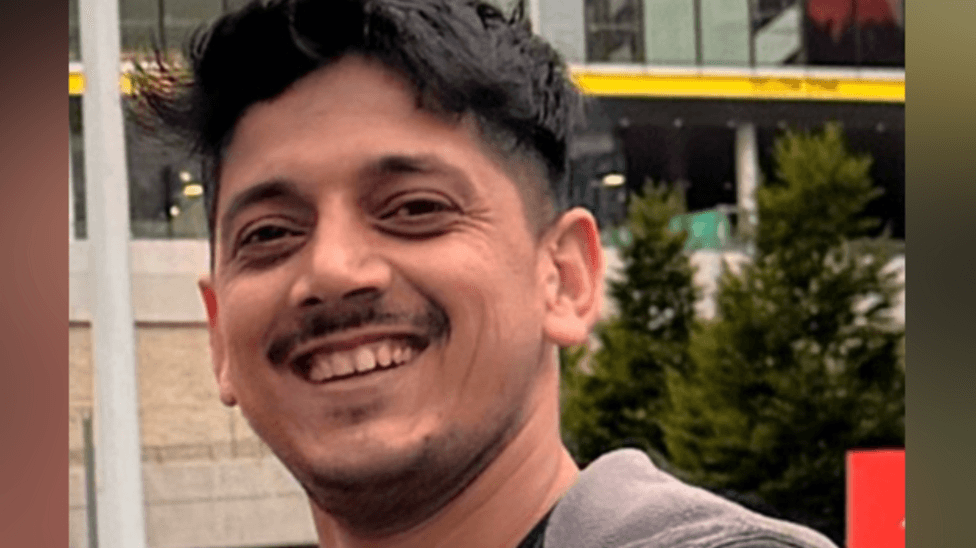
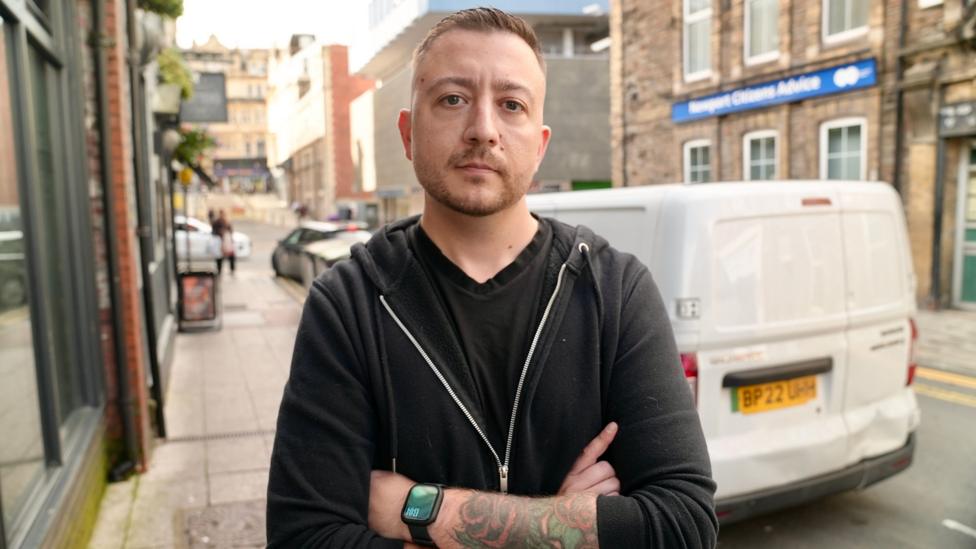
Photographer Attela Kis, 32, has raised important questions about how any restrictions might affect people who cover their faces for religious reasons.
"It depends on what type of face covering you're talking about - like a Burka for example, this is part of their religion,"he explained. However, he also acknowledged the public safety argument.
"When people are riding their electric bikes and committing actual crimes, it's really dangerous. They shouldn't cover their faces, if anyone gets hit - or anything gets stolen people need to be found and prosecuted."
Matthew Evans, one of two Newport councillors who proposed the ban, said residents were wearing "intimidating" face coverings to "rob, burgle and deal drugs in our city centre" and "avoid detection". He proposed "exemptions for religious reasons" and emphasised this was not an "attack on the human rights of young people".
What action has Newport already taken?
Newport councillors voted almost unanimously on 29 September to ask officers to examine tighter rules on balaclavas, alongside restrictions on begging and public drinking as part of the city-centre Public Spaces Protection Order (PSPO) renewal. This followed a recent joint police and council operation targeting crime and antisocial behaviour. Superintendent Esyr Jones from Gwent Police reported that 321 arrests had been made since July through Operation Krypton to tackle crime and anti-social behaviour across Newport.
Newport council confirmed that the current PSPO is due for review, and any potential amendments can be considered as part of that process. The council said the current PSPO could potentially include face coverings, and this is being explored in relation to its practical implications and legalities. The authority stated there would be "exemptions for legitimate reasons, including religious, cultural, medical, occupational, weather or personal safety reasons".
How is Nottingham's ban working?
Nottingham has already moved ahead with enforceable restrictions. The restrictions took effect on 15 September, allowing officers to require the removal of a face covering when they reasonably suspect it is being used to conceal identity for crime or antisocial behaviour. A senior police officer in Nottingham said offenders who wore them to hide their identity caused "substantial" problems.
Anyone who refuses to remove a face covering can face a £70 fixed penalty notice or a maximum fine of £1,000. Enforcement can also include confiscation of the face covering and referral to an Immediate Justice Programme, with continued breaches potentially leading to a Criminal Behaviour Order. Importantly, Nottingham's restrictions are not a blanket ban: officers must reasonably believe a covering is linked to crime, antisocial behaviour or intimidating conduct, and legitimate-use exemptions apply. More than 90% of respondents supported the measure in a council consultation.
What is happening in other cities?
Coventry is pursuing a different approach through a public petition. The petition calls for restrictions on bike and scooter riders' face coverings and remains open for signatures. Stafford and Wolverhampton are also exploring ways to strengthen existing powers. Wolverhampton's PSPO, introduced in July 2024, already allows authorities to ask people to remove face coverings and disperse groups where there is reason to believe they are causing, or likely to cause, nuisance, alarm or distress.
What is the social media trend driving this?
Videos with the hashtag "no face no case" are circulating on social media platforms, glorifying the use of balaclavas as a way to avoid prosecution. This trend has raised alarm among law enforcement and local authorities, who see it as actively encouraging criminal behaviour and evasion of justice.
What happens next?
Coventry's petition runs until 28 October, after which the council would need to consider it before any proposed restriction could be added to the PSPO. Coventry's PSPO is due to be updated in November, when the petition's proposal could be formally considered. Newport's review of its PSPO will determine whether face-covering provisions are formally adopted, subject to legal and practical assessment.
The debate reflects a broader tension between public safety concerns and civil liberties. While Prime Minister Andy Burnham recently said anti-migrant protesters covering their faces with masks and balaclavas was "not the British way" following protests in Dover, Reform UK leader Nigel Farage has called for full face coverings, including those worn for religious reasons, to be banned in public—a position that goes further than the exemptions being proposed by local authorities.
Key Facts
- Nottingham's balaclava restrictions came into force on 15 September, with enforcement powers including £70 fixed penalties and potential Criminal Behaviour Orders
- Newport councillors voted almost unanimously on 29 September to examine tighter rules on balaclavas as part of the city-centre PSPO renewal
- All proposed restrictions include exemptions for legitimate religious, cultural, medical, occupational, weather and personal safety reasons
- The social media hashtag "no face no case" is being used to glorify face coverings as a way to evade identification and prosecution
- Coventry's petition for restrictions runs until 28 October, with the PSPO update scheduled for November