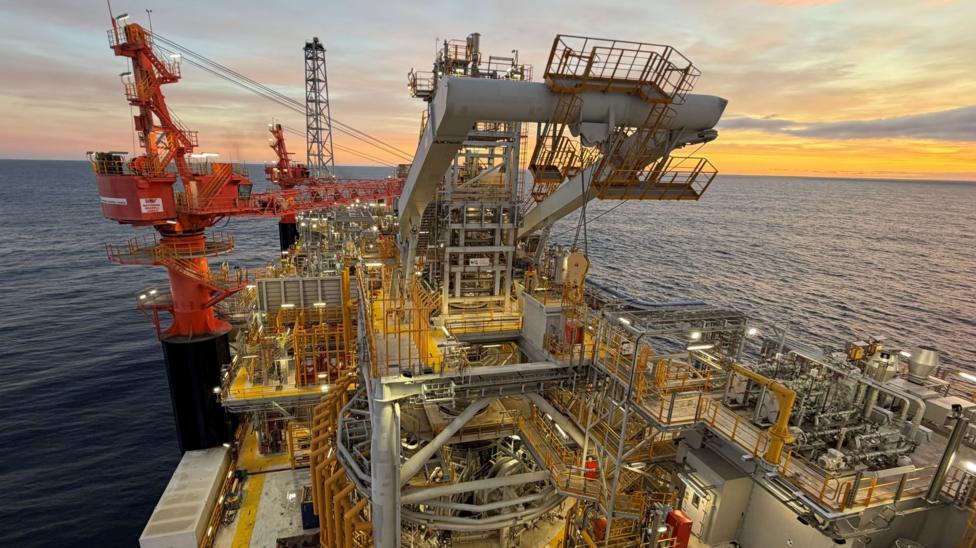
Labour backbenchers have publicly challenged the government to reject the Rosebank oil field development, describing it as fundamentally at odds with the UK's climate commitments. The contested project, located 80 miles north-west of Shetland, would involve pumping oil and gas through a large ship if production receives approval.
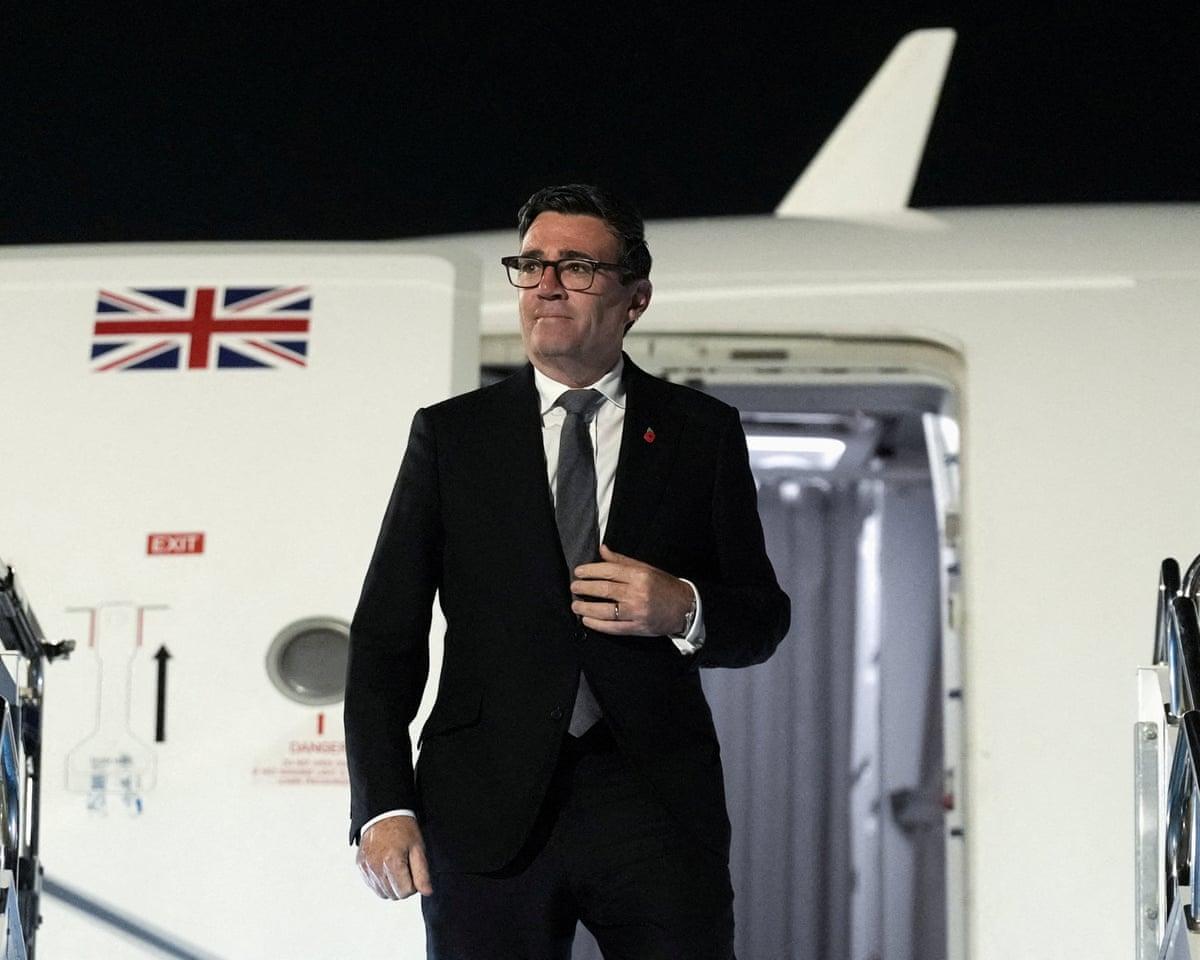
According to BBC News, there is mounting expectation among senior Labour figures that the drilling project will be given the green light, despite significant internal party divisions. Prime Minister Andy Burnham indicated on Wednesday that a decision would arrive "in due course", while Energy Secretary Miatta Fahnbulleh emphasised that keeping energy bills affordable remained her "overriding objective".
The depth of disagreement within Labour became evident during a Westminster Hall debate in Parliament, where roughly a dozen Labour MPs voiced objections to the proposal. Beyond the parliamentary chamber, understanding suggests that more than 60 of approximately 400 Labour MPs have indicated support for an unsigned letter to Burnham opposing Rosebank, though the correspondence has not yet been formally sent.
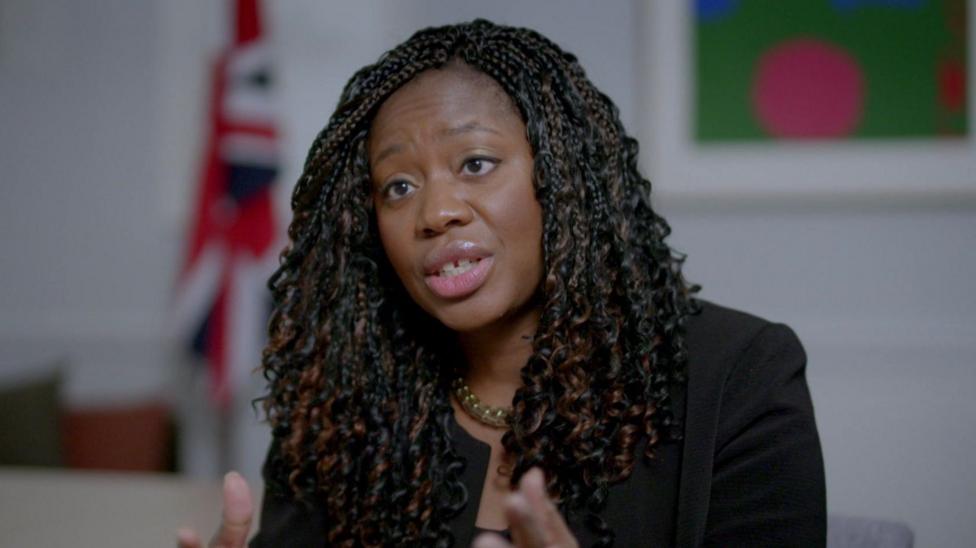
One MP who backs the opposition letter told the BBC that approving Rosebank "would not create new jobs, would bring minimal money into the Treasury and be bad for the climate". The same figure stressed that "the government's central aim is to tackle the cost of living crisis, and drilling for more oil at Rosebank isn't the answer".
The Westminster Hall debate, organised by Green MP Carla Denyer, provided a forum for backbench MPs to raise topical concerns without a formal vote. Labour MP for Sheffield Central Abtisam Mohamed articulated the case against the project in stark terms:
Rosebank fails on every test. It will not benefit taxpayers who will shoulder the vast majority of the development costs, it will not strengthen our energy security because most of the oil will be sold on international markets, and it will not reduce energy bills for our constituents, who will remain exposed to volatile fossil fuel prices.
Richard Burgon, a former frontbencher positioned on the party's left wing, declared that
Rosebank is not compatible with our climate targets - it's dangerous to pretend otherwise.The UK has committed to achieving net zero emissions by 2050 and limiting global warming to no more than 1.5 degrees Celsius above pre-industrial levels.
The legal and political background
The government has consistently maintained that the Rosebank decision constitutes a quasi-judicial matter formally resting with Fahnbulleh. She approved production at the Jackdaw gas field in the North Sea in the previous month, leaving Rosebank's status uncertain. The public consultation on the disputed Rosebank oil field closed on 17 August 2026, with the final decision now in ministerial hands as campaigners and industry clash over climate impact and employment.
Labour's 2024 election manifesto explicitly pledged not to "issue new licences to explore new fields". However, both Jackdaw and Rosebank received licences from the then-Conservative government in 2022 and 2023 respectively. The Court of Session in Edinburgh ruled last year that the government had made those approvals unlawfully, requiring the current Labour administration to reach a fresh determination on whether to proceed.
The court's decision stemmed from a significant oversight: the original environmental assessment omitted emissions from burning the extracted oil and gas, and the application is now being reconsidered under revised guidance. Conservative leader Kemi Badenoch sought to exploit Labour divisions on the issue during Prime Minister's Questions on Wednesday.
Which Labour MPs support rejection?
Labour MP Anna Gelderd framed the opposition in terms of energy security and economic opportunity, stating:
We live in an unprecedented era where our energy security is more vital than ever, in which jobs and wealth must be protected and economic opportunities seized - on both of these points, Rosebank fails.
Labour MP Julia Buckley reported receiving opposition to Rosebank from constituents in "regularly flooded Shrewsbury" and contended that fossil fuels "belong in the past, not the future". She urged Fahnbulleh to "reject the oil licence in favour of renewables", adding:
Please don't add further to our climate emergency.
Which Labour MPs back approval?
Not all Labour voices aligned with the rejection camp. Recently departed veterans minister Al Carns expressed support, warning that Britain would continue requiring fossil fuels for decades and that importing more would constitute a strategic error.
Refusing to produce it here does nothing on its own to eliminate that demand - it simply increases our reliance on imports which can carry their own environmental cost,he stated.
Labour MPs representing communities with historical ties to the oil and gas sector, including Jonathan Brash, the MP for Hartlepool, emphasised the employment benefits of approving Rosebank for British workers. Scottish Labour leadership candidates Michael Marra and Joe Fagan have both called for swift approval of the Rosebank oil and Jackdaw gas fields, arguing that domestic extraction supports jobs and energy security.
Energy minister Michael Shanks characterised the government's stance as adopting a "pragmatic approach" to clean energy transition, stressing it was "not a turn off the taps government, but nor can we justifiably be a drill every last drop government either". He added:
This government will not make decisions for this country which are not compatible with our climate obligations.
What do voters think?
Public opinion presents a more complex picture than parliamentary divisions might suggest. An Offshore Energies UK poll found 65% of people who voted Labour in 2024 supported approving Rosebank, indicating that the party's electoral base holds views divergent from many of its MPs.
Economic forecasts add another dimension to the debate. The Office for Budget Responsibility has projected that North Sea oil and gas production would decline by approximately 14% annually through 2031 without new fields, compared with roughly 10% annually if Rosebank and other projects proceed. This projection underpins arguments from those favouring approval that rejecting the field would accelerate the sector's contraction.
When will the decision come?
The decision is expected in the coming weeks, following the conclusion of the COP31 climate summit, which began on 9 November and runs for two weeks. At Prime Minister's Questions on 11 November, Conservative leader Kemi Badenoch challenged Burnham over why Rosebank had not been approved; Burnham reiterated that a decision would arrive "in due course".