The UK government has established a new position of special representative for climate security, marking the first time any nation has created such a dedicated role. The appointment signals mounting alarm within government about the national security threats posed by climate breakdown and ecosystem collapse.
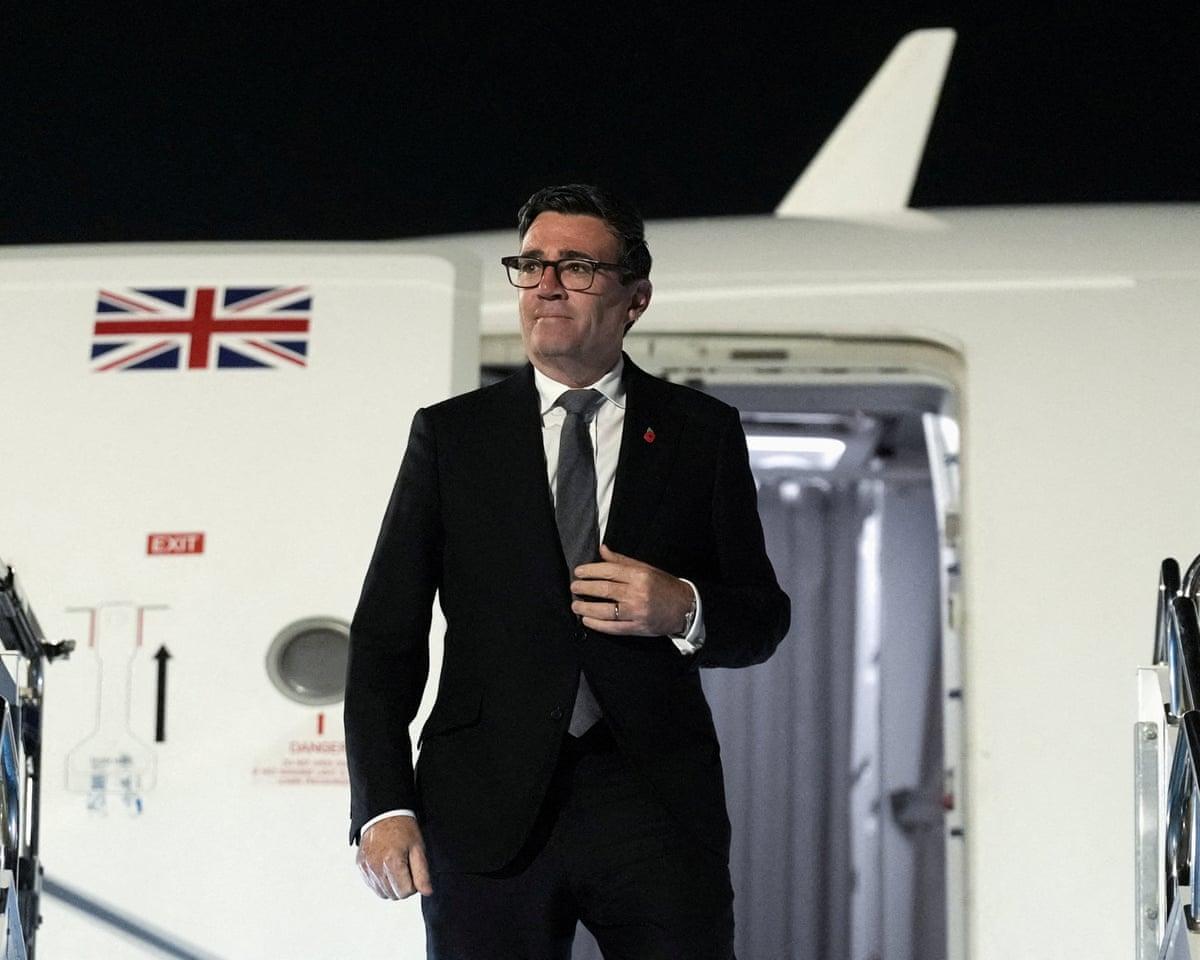
Prime Minister Andy Burnham announced the creation of the role on Thursday at climate talks in Antalya, Turkey, according to The Guardian. Madeleine Alessandri, chair of the UK's joint intelligence committee (JIC), which oversees MI5 and MI6, will assume the position and advise the government on how climate-related risks could threaten national security before they escalate into catastrophic crises.
Burnham used his address at the talks to emphasise the urgency of the climate emergency. He stated:
We should all recognise the summer was not normal. The climate crisis is upon all of us now. We saw that with the wildfires that devastated lives and livelihoods everywhere.The UK experienced its hottest summer on record this year, with consecutive heatwaves intensified by climate change placing severe strain on health services, transport networks, schools and contributing to premature deaths across the country.
Alessandri brings substantial experience in security and governance to the role. She previously served as Permanent Secretary for the Northern Ireland Office from 2020 to 2023 and as UK Deputy National Security Adviser from 2018 to 2020, according to government records.
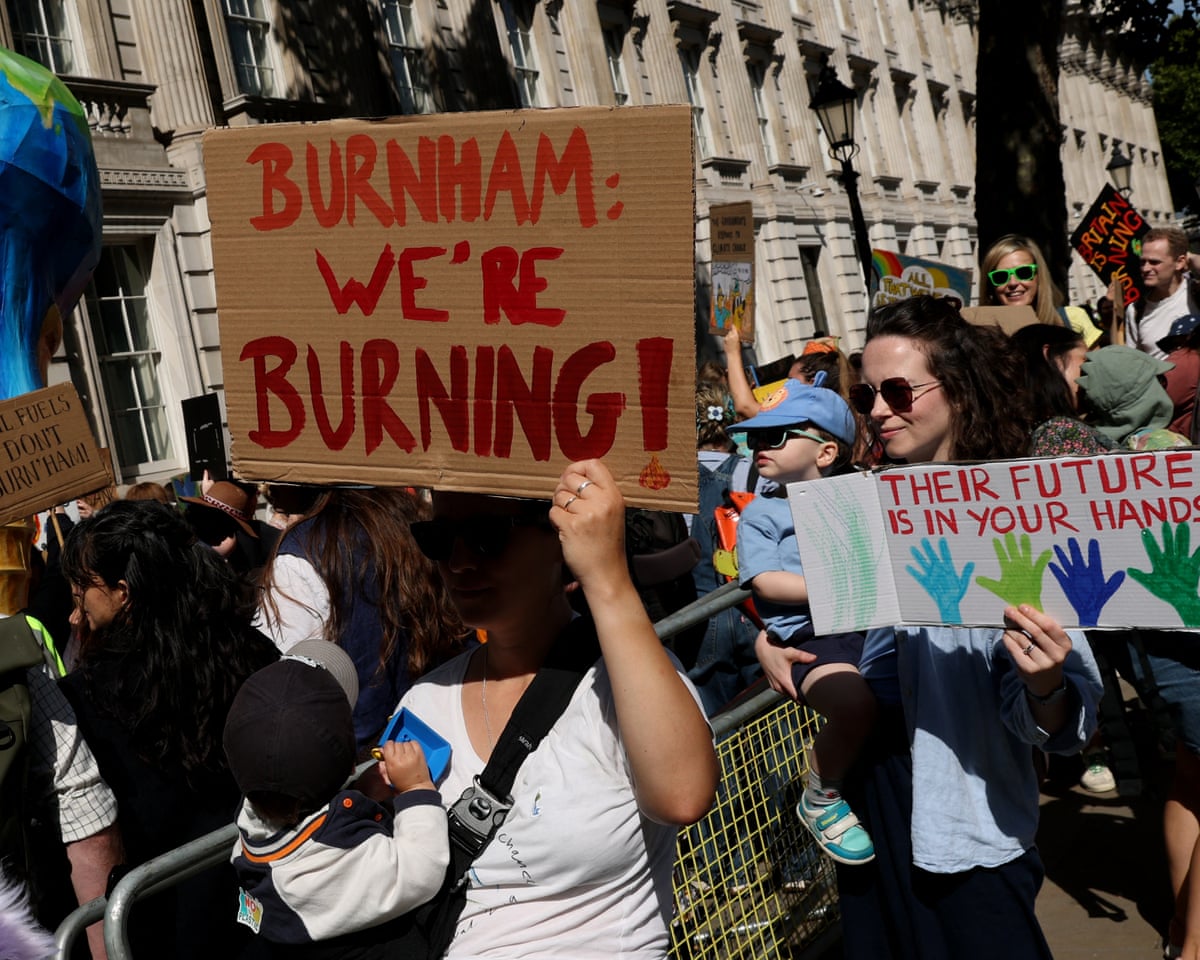
Under Alessandri's leadership of the JIC, the committee produced a classified assessment warning that within five years the UK could face significant national security consequences from the breakdown of ecosystems overseas. The report, compiled under former Prime Minister Keir Starmer, identified food shortages, rising food prices, mass migration and potential conflict among nuclear-armed nations as probable outcomes of climate-driven ecological collapse and resource depletion.
Alessandri commented on her new responsibilities:
Climate change and nature loss are increasingly shaping the security environment in which the UK operates, placing additional pressure on resources, economies and communities around the world. The best time to address these risks is before they develop into crises. In this role, I will work with partners across government and internationally to strengthen our understanding of climate threats, build resilience and ensure we are better prepared for the challenges ahead.
What is the government's broader climate agenda?
Burnham confirmed that the UK will pursue net zero emissions by 2050 and pledged to support a target of 35% electrification by 2035. The government also committed to contributing towards efforts to mobilise £5 billion in private finance for clean energy projects globally. He stated:
The message I carry here, in my first Cop as prime minister, is that the UK remains determined to reach net zero by 2050 and to work with our partners to build a clean energy future. The world has changed. The consensus we once enjoyed on science and climate action has broken down. We will not stand by, and that's why I've pledged a new era of British leadership over the next decade.
Foreign Secretary Ed Miliband, who has been briefed on the JIC report's findings, reinforced the government's position on climate as a security issue. He said:
National security is the next frontier of the fight for climate action – the scenarios once of science fiction are now regular occurrences in the daily news.He added:
Climate breakdown is one of the greatest national security threats we face: food security, threats to infrastructure and population movements [are resulting from the climate crisis]. Those who seek to stick their heads in the sand on climate are putting our national security at risk.
Burnham's appointment of Alessandri builds on earlier commitments to climate action. In September, he launched a £30 million community energy fund to support locally-owned renewable energy projects, the initial phase of a planned £1 billion programme that will enable communities to own and control solar, wind and hydro installations.
Why are campaigners criticising the government's approach?
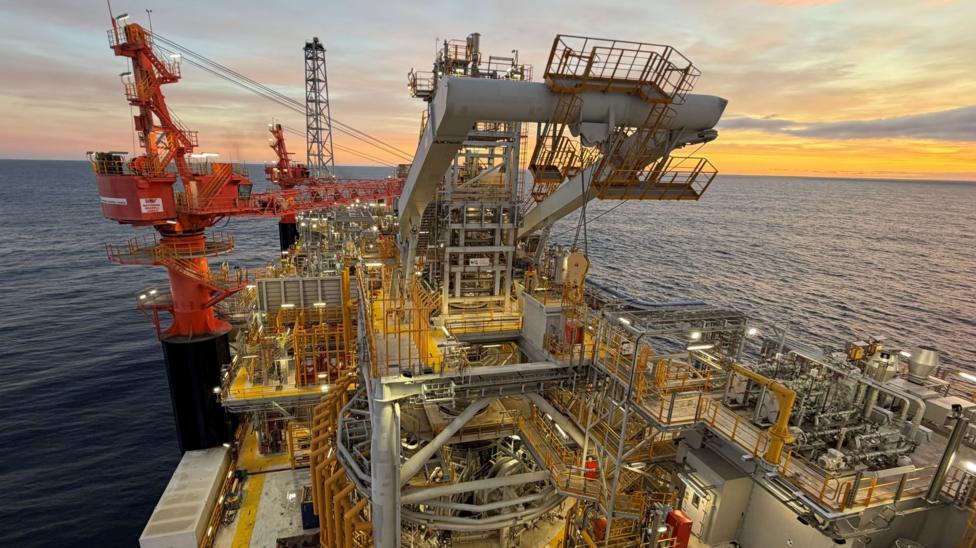
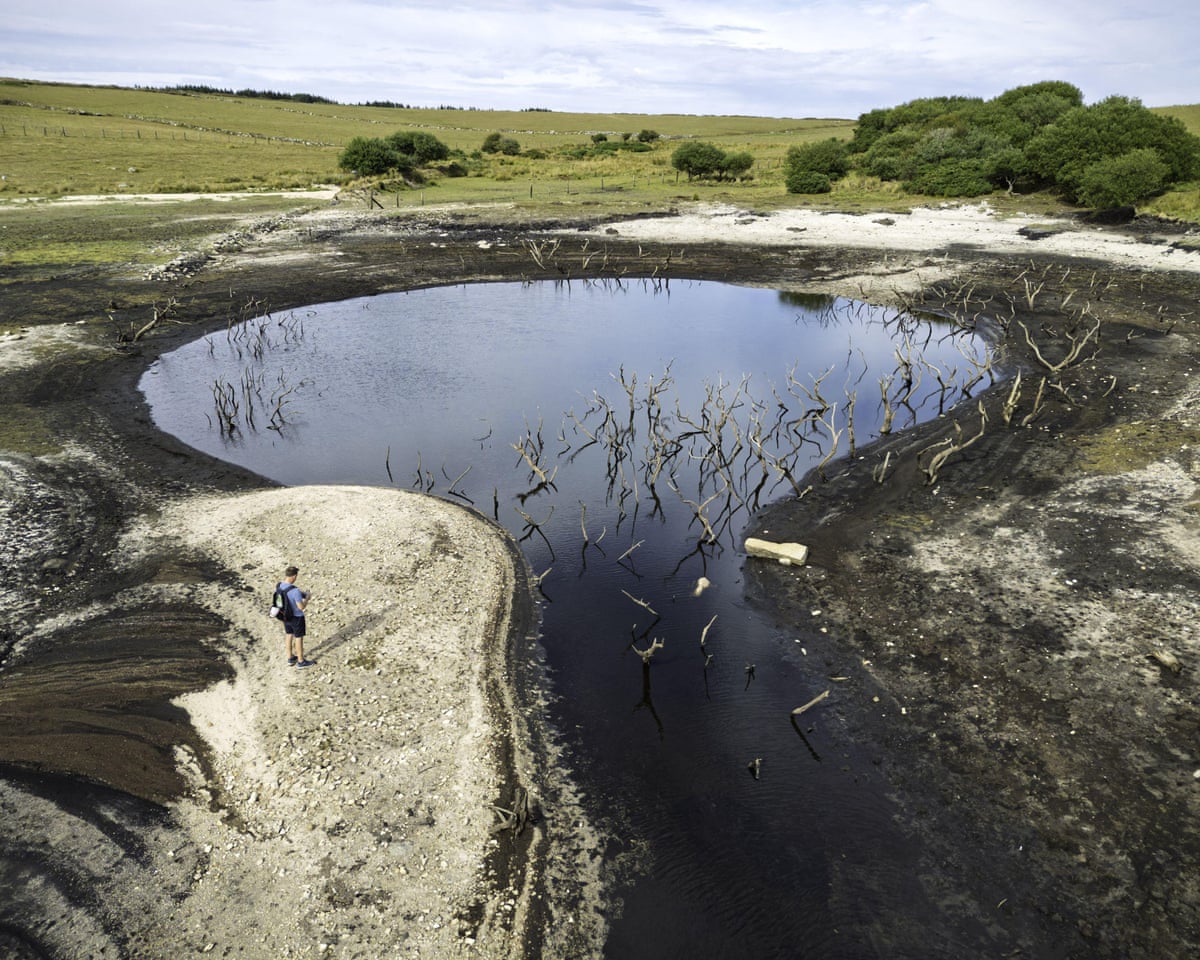
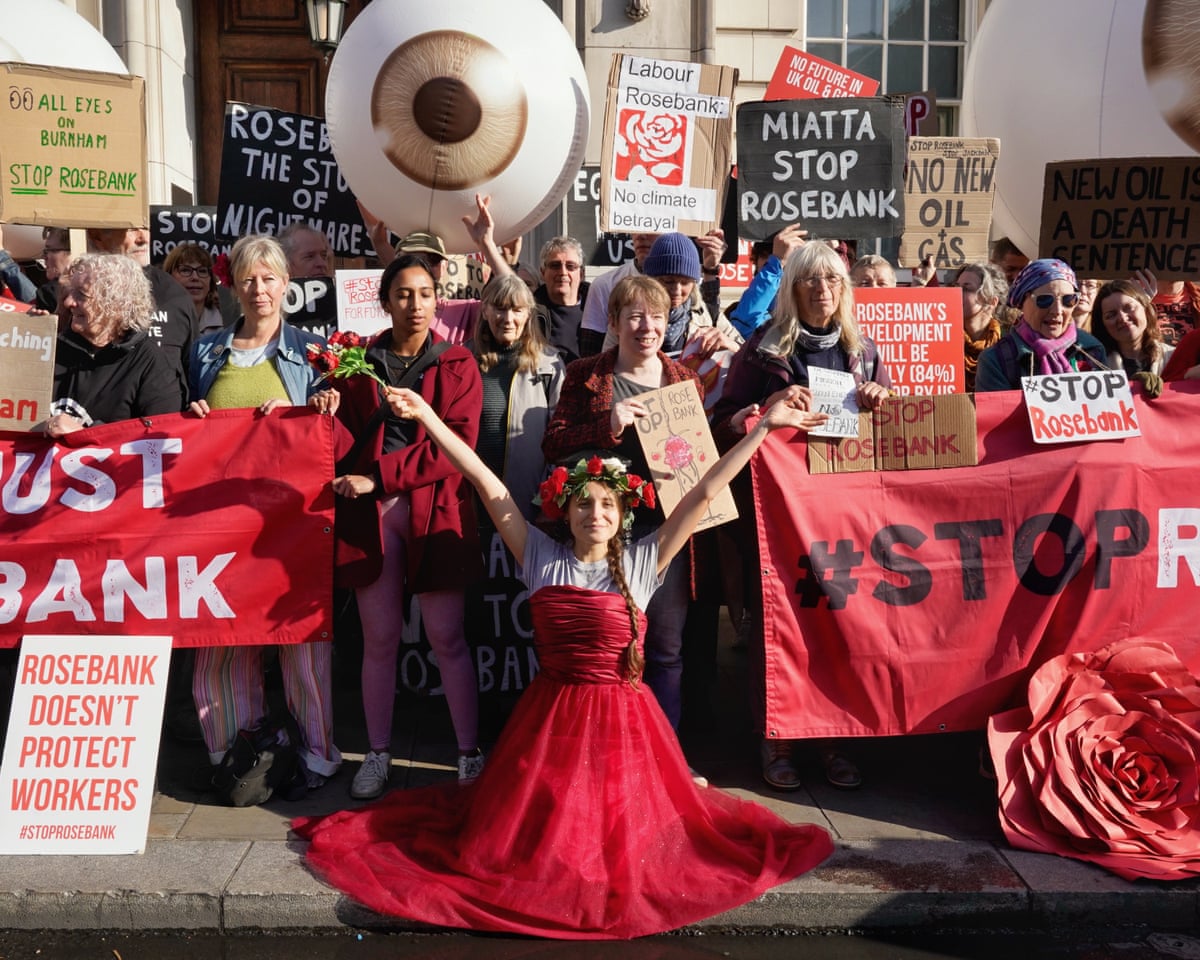
Environmental organisations have questioned the credibility of the government's climate commitments, pointing to what they describe as contradictions between its stated ambitions and domestic energy policy. The government is considering weakening targets for electric vehicle sales and has approved drilling at the Jackdaw oilfield in the North Sea while examining plans for a new oilfield, Rosebank, west of Shetland.
Mohamed Adow, director of the Power Shift Africa thinktank, told The Guardian:
What we're seeing in part is double standards. We can't have Britain preaching a clean development gospel but expanding fossil fuels back at home. You cannot expect one set of rules for Africa and another for Britain.
Asad Rehman, chief executive of Friends of the Earth England, Wales and Northern Ireland, stated that the UK's climate credibility was deteriorating. He said:
The prime minister's first climate talks should be an opportunity to demonstrate he means business. But if this is all the UK has to offer, then the questions piling in about his climate credibility are more than justified.
The government has significantly reduced its international climate finance commitments compared to previous years, instead channelling resources into domestic loan schemes. In July, Burnham announced a pledge to lower the cap on UK bus fares, funded by redirecting money into repayable loans rather than grants.
Prakash Dahal of Pro Public and Friends of the Earth Nepal emphasised the importance of climate finance for vulnerable nations. He said:
Crucially, this essential funding must come as grants – not loans. Nepal is not asking for charity. Nepal is demanding justice.Nepal has faced severe climate impacts, including a catastrophic flash flood in August that demonstrated the country's vulnerability to climate-driven disasters.
What are the next steps for UK climate policy?
A parliamentary committee has published recommendations calling for climate and energy security to be made central to the UK's 2027 G20 presidency, according to the Energy Security and Net Zero Committee. The committee has also recommended that the government publish a national roadmap for a just fossil-fuel phase-out by July 2027, setting a deadline for government action.
The appointment of Alessandri as special representative for climate security differs from the existing role of Rachel Kyte, who serves as the UK's Special Representative for Climate with responsibility for international aid, development and climate impacts in developing countries. Alessandri's position focuses specifically on how climate risks threaten UK national security.
COP31 is scheduled to continue in Antalya, Turkey, through 20 November 2026, with Burnham and other world leaders attending high-level meetings alongside representatives from nearly 200 nations.
Key Facts
- Madeleine Alessandri, chair of the UK's joint intelligence committee, becomes the world's first special representative for climate security
- The UK's classified intelligence assessment warns of potential food shortages, mass migration and conflict among nuclear-armed nations within five years due to climate-driven ecosystem collapse
- The government committed to 35% electrification by 2035 and supporting £5 billion in global clean energy finance
- Environmental campaigners have criticised the government for approving fossil fuel projects while promoting climate action internationally
- A parliamentary committee has recommended the government publish a fossil-fuel phase-out roadmap by July 2027