Megan Hart anticipated that obtaining her driving licence would simplify family life before welcoming her new baby. Instead, the 38-year-old finds herself ensnared in one of Scotland's most severe driving test backlogs, with no assurance of securing a practical examination before her April due date. According to BBC News, her situation reflects a broader crisis affecting learner drivers across the country.
Arbroath, where Megan resides, experienced waiting times that reached nearly seven months in October 2026, positioning it as the second-longest delay in the United Kingdom. The uncertainty surrounding her test date compounds the practical challenges she faces as a parent preparing for a new arrival.
Why does Megan need to drive urgently?
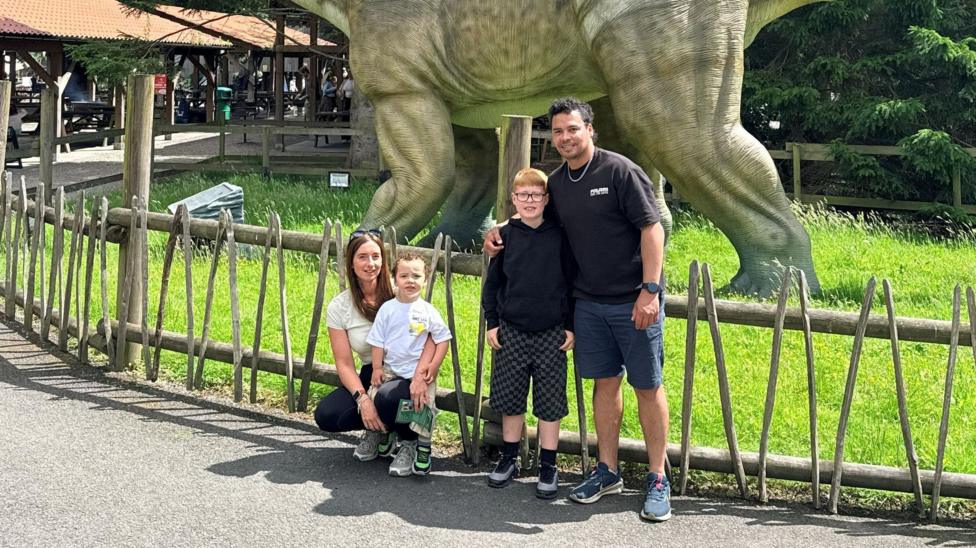
For Megan, obtaining a licence represents far more than personal convenience. Her eldest son manages epilepsy and requires regular medical appointments, while her partner frequently works away from home. Without driving capability, she struggles to transport her family to necessary destinations, particularly given the inadequate public transport infrastructure serving communities beyond Scotland's major urban centres. "It's not fair to us," she remarked. "Transport here is awful, especially with the kids. How am I meant to plan anything?"
What financial burden does the backlog create?
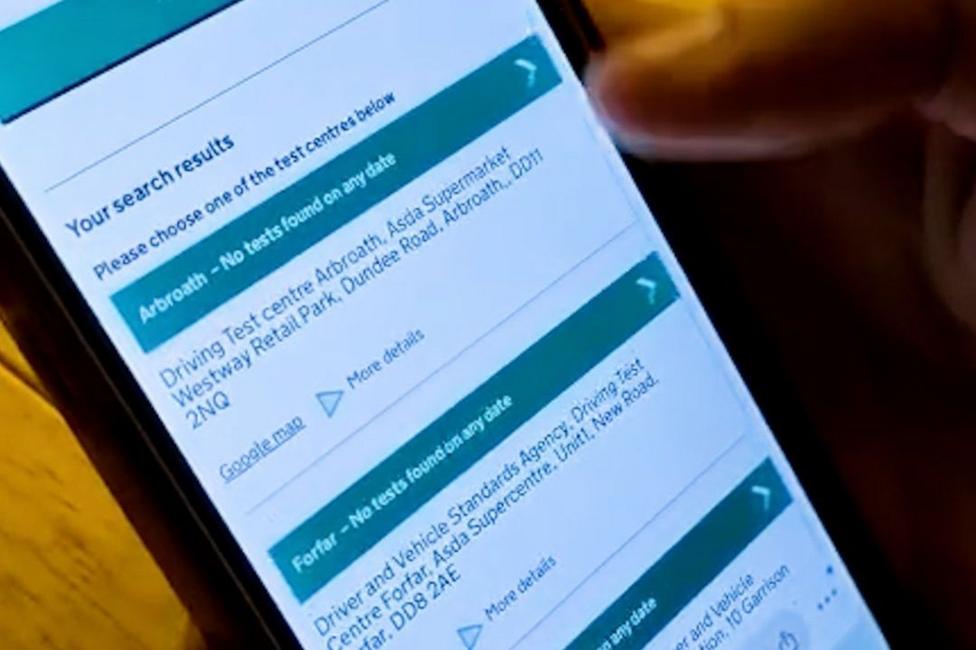
The prolonged waiting period intensifies Megan's financial strain considerably. She began searching for a test slot in August and purchased a vehicle to supplement her instructor-led lessons with additional practice. When she applied for a test at a remote centre, she paid the examination fee and entered the DVSA's "on hold" system, which allocates test dates when immediate availability does not exist. Despite having no confirmation of when she might sit her test, she continues funding lessons. The prospect of failing and waiting months for a resit amplifies her anxiety. "I wouldn't even like to add up how much I've spent, to be honest," she said.
How severe is the Arbroath backlog?
The backlog in Arbroath has expanded dramatically over recent years. In October 2026, DVSA figures revealed the median interval between booking and taking a practical test had reached 27.4 weeks—the second-longest nationally, trailing only Callander's 31.5 weeks. Learners in Inverness, by contrast, faced waits of merely 3.9 weeks. The Arbroath figures have declined marginally from September's peak of 29.9 weeks, approaching the 30.7-week maximum recorded during the Covid pandemic in 2020. For much of the preceding two years, waiting times remained above 20 weeks.
Why do official figures underestimate the true wait?
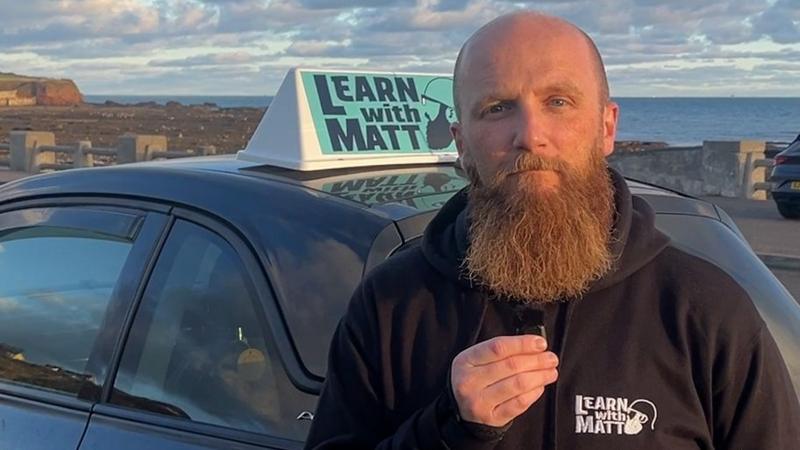
Driving instructors contend that published statistics mask the genuine scope of the problem because they exclude the period learners spend awaiting initial test allocation. Matt Smith, an Arbroath instructor, explained that the DVSA advertises tests approximately 24 to 25 weeks ahead, but this omits the 10 to 12 weeks pupils wait merely to receive a test date. "This is the worst I've seen the tests for a long time," he said. The published figures therefore significantly understate the total duration learners endure without examination access.
What are the broader costs of learning to drive?
Driving instruction carries substantial expense even before extended waits. The DVSA estimates most learners require approximately 45 hours of professional tuition before attempting a test, costing more than £2,000 before examination fees. Extended waits inflate these costs further as learners continue paying for lessons to maintain test readiness. Each additional week translates to increased lesson expenses, heightened uncertainty, and postponed access to the independence and opportunity a driving licence provides.
How are young learners affected?
Ruby, a 17-year-old from Arbroath, has been unable to obtain a test date despite registering on the waiting list in June. She observes that the delays and costs deter her peers from pursuing driving instruction. "A lot of my friends aren't wanting to do lessons because of how much it costs and how long the wait is," she said. For Ruby personally, the inability to secure a test postpones the autonomy and flexibility she anticipated driving would deliver. "I wouldn't have to rely on buses or my mum as much," she explained.

What challenges do instructors face?
Extended backlogs create difficulties for instructors alongside their pupils. Matt Smith noted that prolonged waits force learners into uncomfortable choices regarding whether to sustain lesson payments, reduce tuition frequency, or pause altogether until test availability emerges. For instructors, this creates operational constraints. "If I bring too many on I become bloated and then I can't accommodate all of the pupils I have," Matt explained. "A pupil who learns very, very quick will have to spend more money continuing to do lessons which will stop skill-fade from happening to keep them test-ready."
What is causing the backlog?
Matt attributes the core problem to an insufficient supply of examiners. "The demand is great and that is not going to reduce, so the supply of examiners needs to increase," he stated. "There are not enough examiners to match the demand of the pupils." This assessment aligns with broader findings: Scottish Parliament debate records indicate that examiner attrition reached 14% in 2024–25, double the civil-service average of 7.1%, creating a significant barrier to reducing waits.
The DVSA acknowledged that Arbroath's waiting times fluctuate because it operates as an outstation of Dundee, employing a "book-to-hold" system rather than maintaining permanent examiners on site. The agency attributed elevated waiting times nationally to increased demand and altered booking behaviour following the pandemic. However, the DVSA reported that examiner numbers have reached their highest level in recent years, with recruitment continuing, particularly in Dundee.
What progress has been made?
According to the latest available data, driving test waiting times declined for the sixth consecutive month in October 2026. The DVSA stated it was advancing toward reducing waits nationally and remained dedicated to enabling learners to access tests when required. Government figures presented to Scottish Parliament revealed that the DVSA delivered almost 200,000 practical tests across the UK in July 2026 and administered more than 120,000 additional tests since April compared with the equivalent period a year earlier, demonstrating increased capacity.
Despite these improvements, Transport Secretary Heidi Alexander cautioned that the government's original target to reduce waits to seven weeks by the end of 2025 might not be achieved until autumn 2027. The DVSA stated: "We know there's more to do and we won't stop until every learner can get a test slot when they need one, wherever they're learning to drive."
What happens next?
The DVSA has appointed a new chief executive to address the driving-test backlog, according to an announcement on its car-driving-tests page updated on 11 November 2026. The agency's appointment-release schedule indicates that tests for the week beginning 26 April 2027 will become available on 16 November 2026, with further releases scheduled weekly. For learners like Megan and Ruby, these incremental improvements offer hope, though the timeline remains uncertain for those currently waiting.