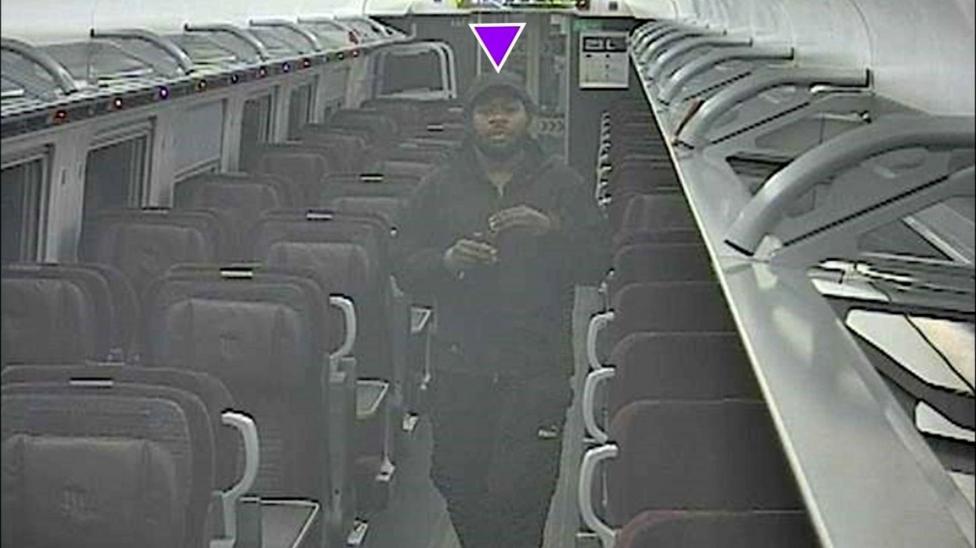
Anthony Williams, 33, stands accused of attempting to murder 10 people aboard a Doncaster to London King's Cross train that made an emergency stop in Huntingdon, Cambridgeshire, on 1 November 2025. According to BBC News, officers who arrested Williams noted he had schizophrenia, Cambridge Crown Court has been told. Williams denies all 14 counts of attempted murder related to the train incident and four additional counts stemming from earlier attacks in Peterborough and London.
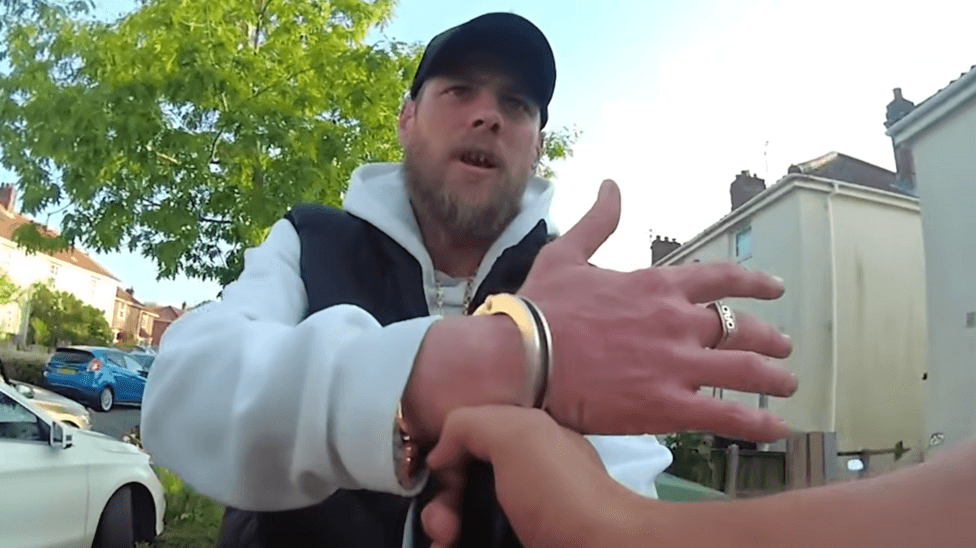
Police constable Caitlin Brown, who transported Williams to hospital and then to the police station following his arrest, told the court that he "appeared to be talking to himself" and made references to the devil. Jurors were shown CCTV footage of Williams' arrest in the car park of Huntingdon railway station, during which officers deployed a Taser and a baton gun that fires less lethal projectiles. The arresting officer stated in a written account that Williams had said something resembling "kill me, kill me".
What did officers observe about Williams' behaviour?
Police constable Matt Panks, another officer involved in transporting the defendant, described witnessing Williams "acting strangely, appeared completely unphased by what had occurred... he was rocking and laughing". Panks heard Williams ask, "Do you reckon it was worth it?", a question he repeated before being reminded he was under caution. Cambridge News reported that further witness accounts emerged during the trial's continuation on 10 and 11 November.
How was Williams treated in police custody?
Sergeant James Cox, the custody sergeant at Parkside police station in Cambridge, gave evidence to the jury about Williams' detention. The court heard that Williams was "treated as a vulnerable adult" and Cox authorised him to be supported by an appropriate adult. Officers maintained constant watch over the detainee throughout his time in custody.
Gillian Jones KC, representing Williams, questioned Cox about the custody log. She established that officers had reported Williams suffered from psychosis and took medication. Cox confirmed both points. He stated that in his assessment, Williams "didn't appear to be intoxicated", and escorting officers had informed him that "Mr Williams suffered from schizophrenia". The court determined that Williams was not fit to be interviewed about the allegations.
A healthcare worker's note in the custody logs recorded that Williams "appeared to be responding to voices". According to the log entry, Williams laughed when asked if he was hearing voices and agreed that he was. When asked what the voices were saying, "he smiled and said 'lots of things'". Jurors also saw CCTV footage from the early hours of 2 November showing Williams punching an officer in the face. The footage further showed him "climbing on his toilet several times and stroking the air vent". The following afternoon, a forensic psychiatrist advised that he observed "active psychotic symptoms" in the defendant.
What are the charges against Williams?
Prosecutors allege that on 31 October, Williams attempted to kill three people in Peterborough. He is also charged with attempting to murder a teenager in the early hours of 1 November on a DLR train in east London. ITV News reported that a passenger testified he feared a suicide bomber might be on board and ran down the aisle with other passengers during the Huntingdon train attack.
The central issue before the jury is not whether Williams carried out the attacks—the court has been told this is not in question—but rather whether he intended to kill. Hello Rayo reported that the judge instructed jurors they must decide whether Williams intended to kill, as the fact of the attacks themselves is not disputed.
What happens next in the trial?
The trial was continuing on 11 November, with no scheduled end date or next hearing date currently available from court reports. The jury will ultimately determine whether Williams' actions constitute attempted murder or whether his mental state at the time affects the legal classification of his conduct.