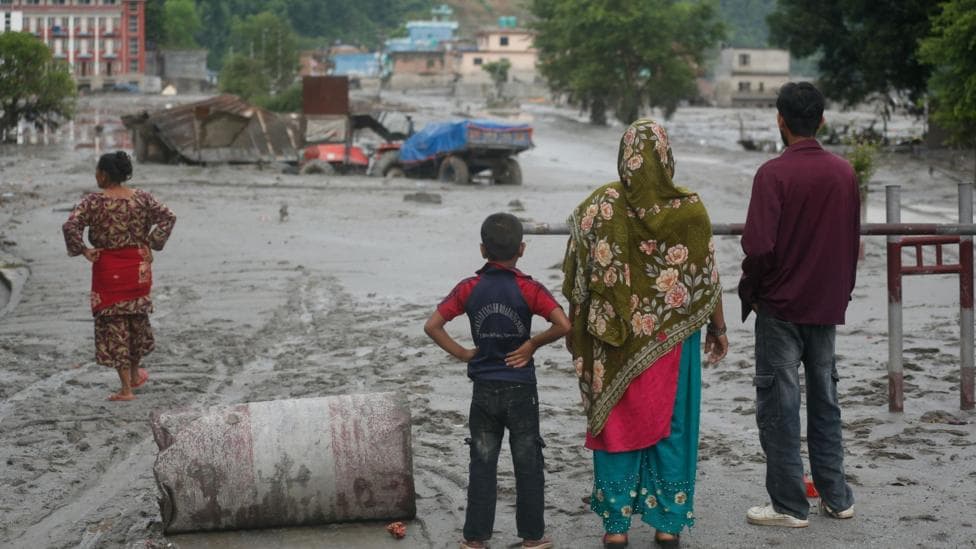
At least 33 residents from the United Kingdom remain unaccounted for following catastrophic flash floods that devastated the Nepal-Tibet border region after a glacial lake burst in Tibet. The death toll has reached at least 359 people, with more than 1,300 individuals reported missing across Nepal and the border area, according to Nepali authorities.
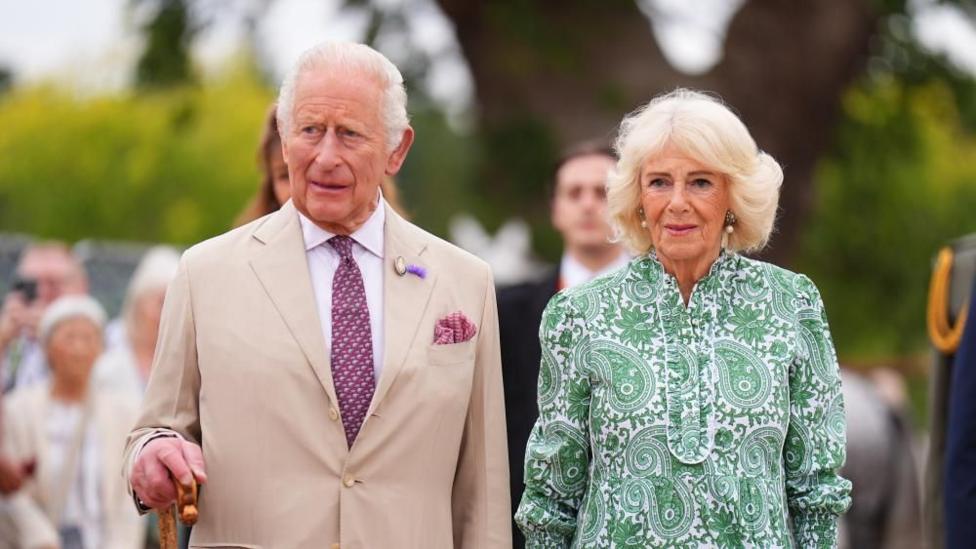
King Charles and Queen Camilla have expressed their profound sorrow over the disaster.
"We feel deeply for the many families awaiting anxiously the news of friends and relations,"the King said in a statement.
"Our hearts go out also to the families of all the police and armed forces personnel who lost their lives while carrying out their courageous duty in the service of others."The Prince and Princess of Wales similarly conveyed their shock, saying they were
"thinking of everyone caught up in this terrible disaster."
Prime Minister Andy Burnham announced that the United Kingdom has pledged £5 million in aid to support the Nepalese government in response to the catastrophe, describing the situation as
"very distressing and devastating."The Foreign Office has urged residents to heed local guidance and remain vigilant as the emergency situation develops, with officials in Nepal warning of potential secondary flooding risks near the Bhote Koshi river. The Foreign Office confirmed it is collaborating closely with Nepalese authorities on the ongoing response.
Who are the missing British nationals?
The 33 missing UK residents include a 13-year-old girl and a 14-year-old boy, with ages ranging from 13 to 65 across the group. Many were participating in religious pilgrimages and trekking expeditions in the region when the floods struck early on Wednesday in Rasuwa, north of Nepal's capital Kathmandu.
Alpine Eco Trek reported that 12 British nationals booked on a Mount Kailash tour have not been located, with the company unable to establish contact since the disaster. The firm's travel records indicate a 13-year-old girl is the youngest person missing from their group. Four of the company's Nepali tour guides are also unaccounted for.
The Trekkers' Society stated that nine UK nationals on a pilgrimage to Mount Kailash are missing after crossing the Nepal-Tibet border. The group comprises four males aged between 14 and 50, and five females aged 40 to 53. Himalayan Glacier US had 47 guests on a Mount Kailash pilgrimage, including two British citizens. Kailash Journeys reported 27 guests and staff missing, with two British men among them. Fishtail Tours said one British person on its tour remains unaccounted for.
What is Mount Kailash and why were visitors there?
Mount Kailash is a peak in the Himalayas situated near the Nepal-Tibet border and holds profound spiritual significance as the sacred home of the Hindu deity Shiva. The journey to the mountain forms part of the Kailash Mansarovar Yatra, a sacred pilgrimage for Hindus that had only recently resumed after being halted first by the pandemic and subsequently by geopolitical tensions between India and China.
What are families experiencing?
British resident Pramod Pudel, who lives in East Sussex but originates from Nepal, is travelling back to search for his wife, mother, brother and uncle.
"It's a very, very difficult time for me and for my family and my country at this moment, but obviously I have to go and see what's happening there,"he told a national broadcaster.
"A lot of people are missing and there is no information regarding who is missing, where they are. Nobody can contact each other and all the bridges are broken, so you can't cross the land. There's no power, no electricity, so I can't contact anyone, so it's a very difficult time not knowing what's happening."

Essex nurse Rajendra Pudasaini reported that his relatives were swept away by the floodwaters.
"My wife's auntie and uncle, and their granddaughter and her husband are missing, and my godson as well,"he said.
"They're gone. The speed the water came, they couldn't be saved, they were just swept away."
A 26-year-old man from Aberdeen, Barun Lamichhane, lost his brother, uncle and cousin in the disaster, though his mother, father and grandmother managed to escape by
"crawling like a baby"into the hillside.
Tatajana Phillips from Folkestone in Kent is waiting for news of her sister Julija Jakovicka, whose last known location was in the border area approximately one hour before the flash floods struck.
"We are really hoping that people hear us and try to find and locate [my sister],"Phillips said. Her sister, a mother of two living in Germany, had travelled to Nepal for a yoga and meditation retreat.
"We are terribly worried,"added Phillips' husband Ben.
"We just know where they were and that's really tough."
What caused the floods?
Initial assessments suggested an earthquake had triggered the disaster, but the US Geological Survey determined through additional analysis that
"the seismic energy was instead generated by a landslide."The agency reported that a magnitude 5.2 seismic event caused by a
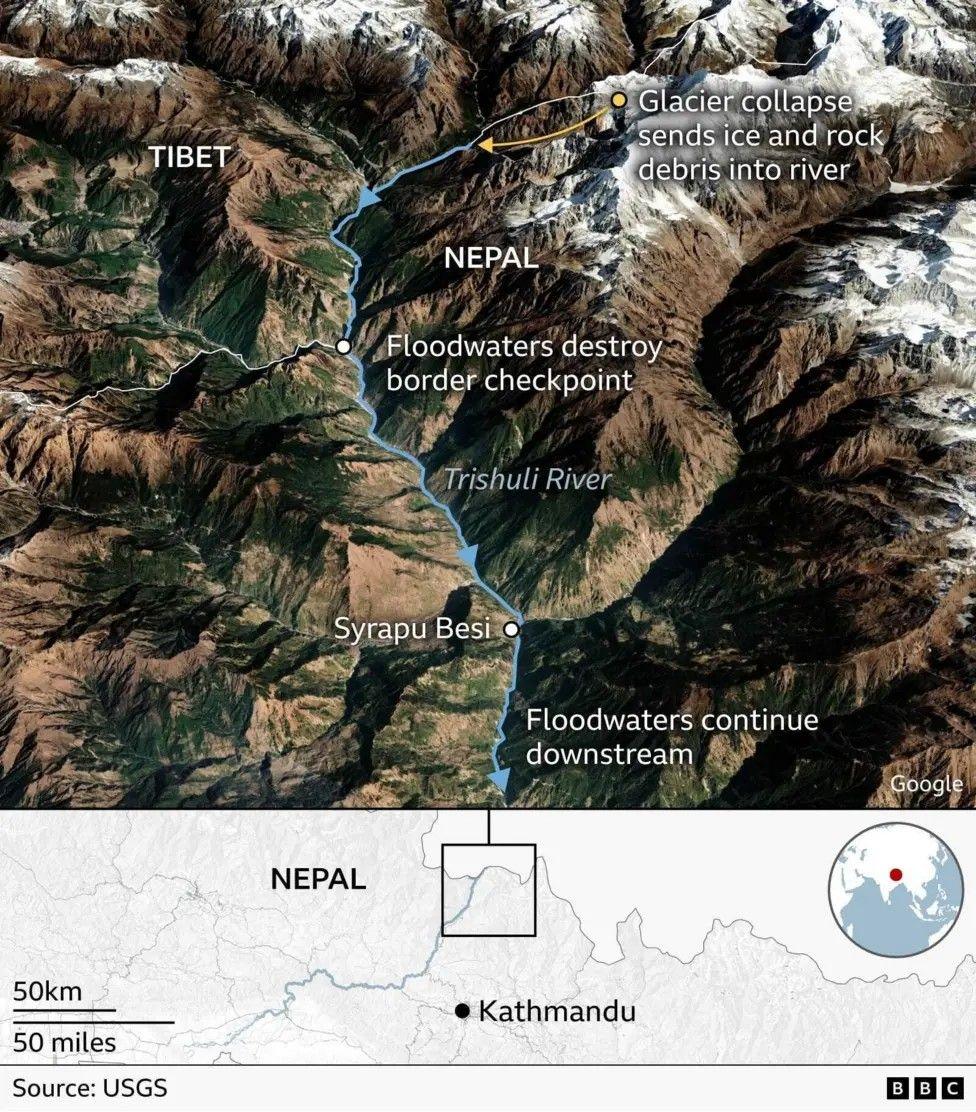
"glacial collapse and debris flow"occurred near the border at 08:37 local time on Wednesday. According to satellite-imagery analysis, an avalanche of ice may have plunged into the Bhotekoshi river before the flooding cascaded downstream into Nepal through the Timure border area into the Bhote Koshi and Trishuli river systems.
The catastrophe represents a rare instance of glacial-lake outburst flooding affecting communities along the Nepal-Tibet border, with bridges and highways sustaining severe damage. This disaster ranks among Nepal's worst natural disasters since the 2015 earthquake, which claimed approximately 9,000 lives.
What is the broader impact?
According to reports from 27 August, more than 1,300 people remained missing across Nepal and Tibet, while rescue and recovery operations continued. Nepal's tourism board identified at least 341 foreign nationals unaccounted for, including the 33 British citizens. Later reporting indicated that 134 missing Indian nationals had been identified, alongside missing travellers from the United States, Australia, Canada, Malaysia and the United Kingdom.
King Charles noted the deep connections between the United Kingdom and the region.
"Many in the United Kingdom have strong, deep and personal ties to this part of the world,"he stated, underscoring the personal impact the disaster has had on British communities with family and cultural links to Nepal.
What happens next?
Nepalese officials have maintained downstream districts on alert for potential secondary flooding, with warnings continuing to focus on the Bhote Koshi river. The UK Foreign Office stated it is working closely with Nepali authorities as the search continues, while families await updates on their missing relatives. Authorities are urging people to follow local guidance and remain alert to the evolving situation as recovery efforts proceed.
Key Facts
- At least 359 people have died and more than 1,300 are missing following flash floods triggered by a glacial collapse near the Nepal-Tibet border on 26 August
- Thirty-three UK residents remain unaccounted for, including children as young as 13, many of whom were on religious pilgrimages and trekking tours
- The disaster was caused by a magnitude 5.2 seismic event generated by glacial collapse and debris flow, not by rainfall or an earthquake
- The United Kingdom has pledged £5 million in humanitarian aid to Nepal, with the Foreign Office coordinating closely with Nepalese authorities
- Authorities warn of continuing secondary flood risks along the Bhote Koshi river as rescue operations proceed