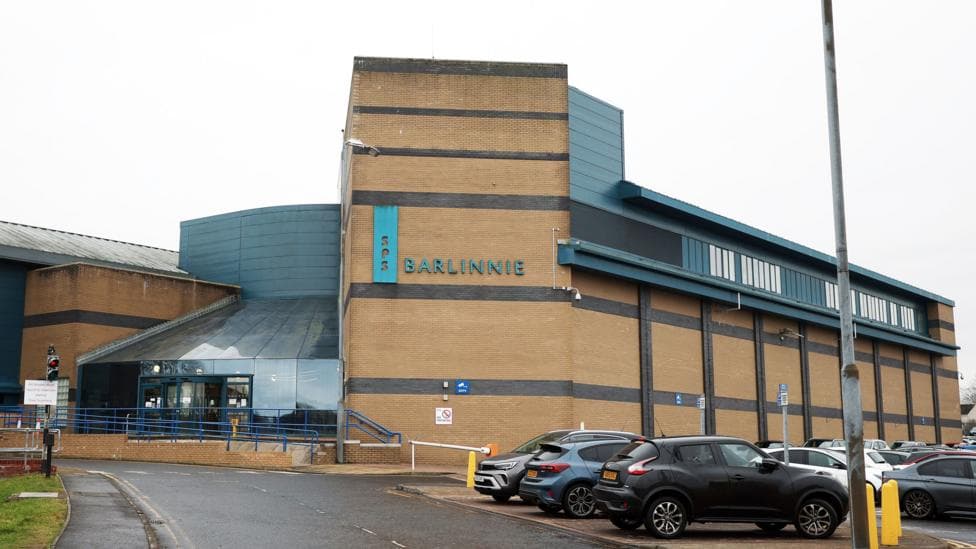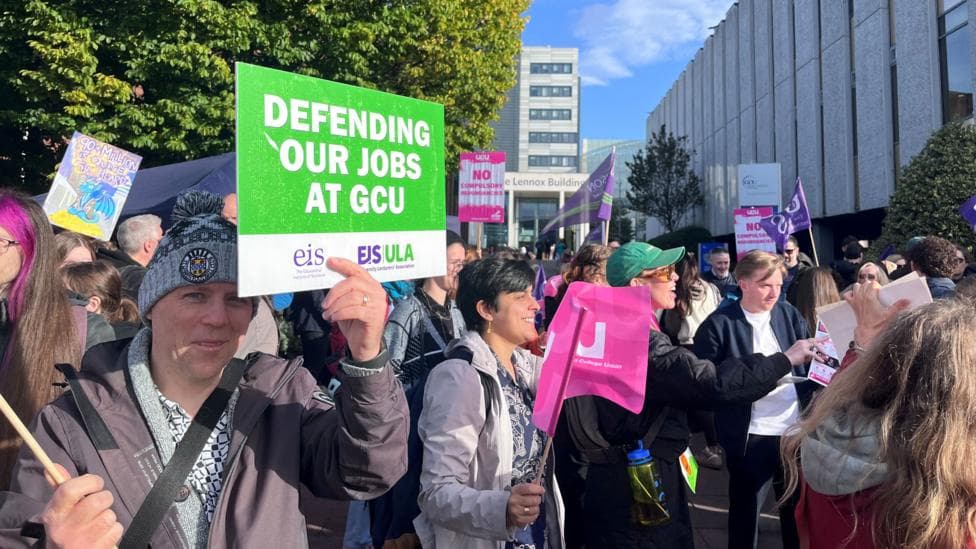
Glasgow Caledonian University faces effective closure for one day this week as a fourth union announced plans to strike, marking the first occasion all campus unions have collectively taken industrial action at the institution.
Staff members from Unite will join colleagues representing the UCU, the EIS and Unison in walking out on Thursday. The dispute centres on management proposals to eliminate approximately 50 positions, with the possibility of compulsory redundancies, which university leaders contend will stabilise the institution's finances.
Unions characterise the reductions as
a vindictive choicerather than an unavoidable measure. Three of the four unions have already conducted strike action in recent weeks, with the first coordinated walkout occurring on 1 October.
The university initially announced plans in March to cut up to 100 posts, citing reduced income from international students. Voluntary redundancy offers reduced this figure to approximately 50, though compulsory redundancies remain possible. According to STV News, the university has stated it has reduced the number of roles at risk from 100 to 40 and that no compulsory redundancies have been made to date.
Unions are demanding a guarantee that no employee will be compelled to leave, but university leadership maintains they cannot provide such an assurance. According to the EIS, ACAS talks failed to resolve the dispute after management declined to rule out compulsory redundancies.
What are the financial claims?
Unions argue the university possesses substantial financial resources to avoid cuts. They point to the institution's cash reserves and question spending decisions, particularly a controversial proposal to allocate approximately £4.5 million toward purchasing land in the city centre. However, the university maintains that acquiring and selling land forms part of a long-standing strategic plan.
The university reports facing a £10 million deficit in the next financial year and states the cuts are necessary to restore it to a
sound financial footing. According to The National, the university reported an underlying operating surplus of £12.6 million and cash reserves of almost £89 million. Additionally, a national broadcaster's report indicates the university attributes a £33 million income drop over two years partly to fewer international students.
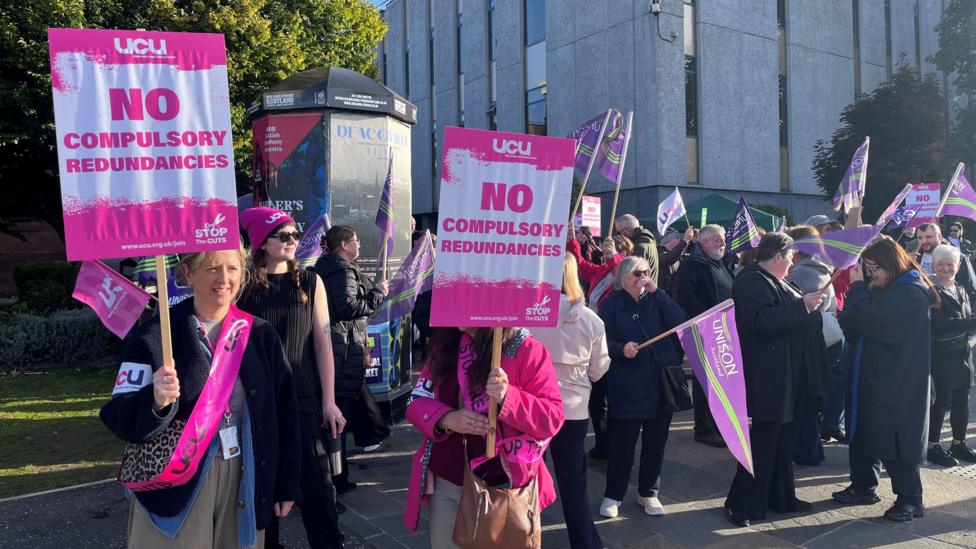
More than 50 Unite members will participate in Thursday's walkout. Unite general secretary Sharon Graham stated:
Glasgow Caledonian University's attack on jobs, pay and conditions is unnecessary and a vindictive choice by its management. Our members have been left with no option but to fight back against these unnecessary cuts.
According to The National, Unite members overwhelmingly backed industrial action after management refused to rule out compulsory redundancies.
Alison MacLean, a regional coordinating officer with Unite, remarked:
The joint action will force the university to close its doors and lecture rooms. That is a sad position for the workers and students to be in but that's a situation the university has brought upon itself.
What happens next?
The UCU, EIS and Unison conducted staggered strike action on various dates since 1 October. According to the EIS, further strike action is scheduled for 20–22 October, 26–29 October, 2–5 November and 10–13 November.
How does this fit into Scotland's university crisis?
Glasgow Caledonian's dispute reflects broader financial pressures affecting Scotland's higher education sector. Approximately 3,000 staff members are currently conducting five weeks of strikes at the University of Edinburgh over £140 million in proposed cuts, while Dundee University staff are also staging a five-week walkout over similar issues.
Key Facts:
- All four campus unions—Unite, UCU, EIS and Unison—are striking together for the first time on Thursday
- The university initially proposed cutting 100 posts in March; this was reduced to approximately 50 following voluntary redundancy offers
- Unions claim the university holds £89 million in cash reserves and question a £4.5 million land purchase plan
- The university cites a £10 million projected deficit and a £33 million income drop over two years
- Further coordinated strike dates are scheduled throughout October and November