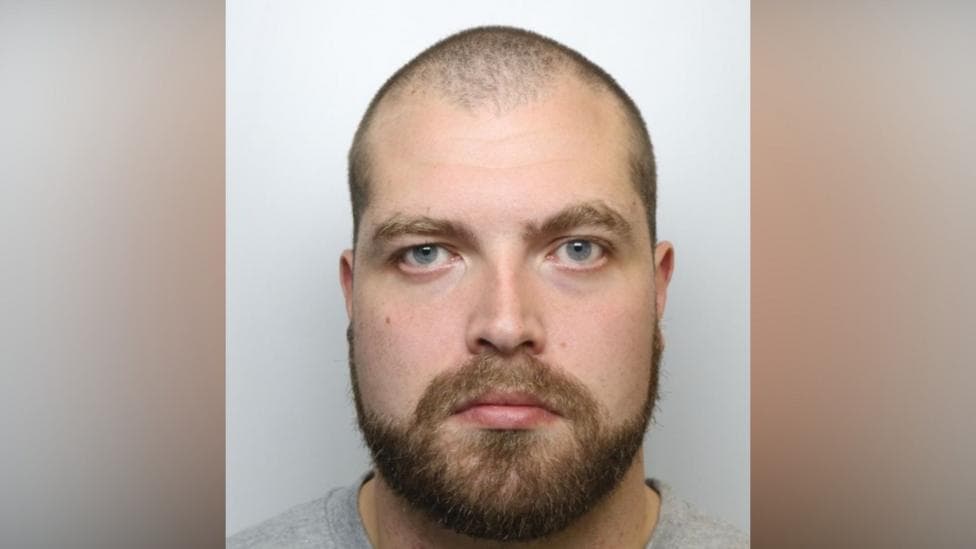
A 28-year-old chef serving in the British Army has been imprisoned for manufacturing explosives and a crude firearm while promoting extreme right-wing ideology and discussing plans to establish a militia. Mark Broadhurst received a 46-month sentence at Sheffield Crown Court on Wednesday, 29 July, after admitting to possessing explosives and committing a firearms offence. The judge determined that his offending carried a terrorist connection, finding he accumulated weapons and explosives partly to establish credibility within extremist circles.
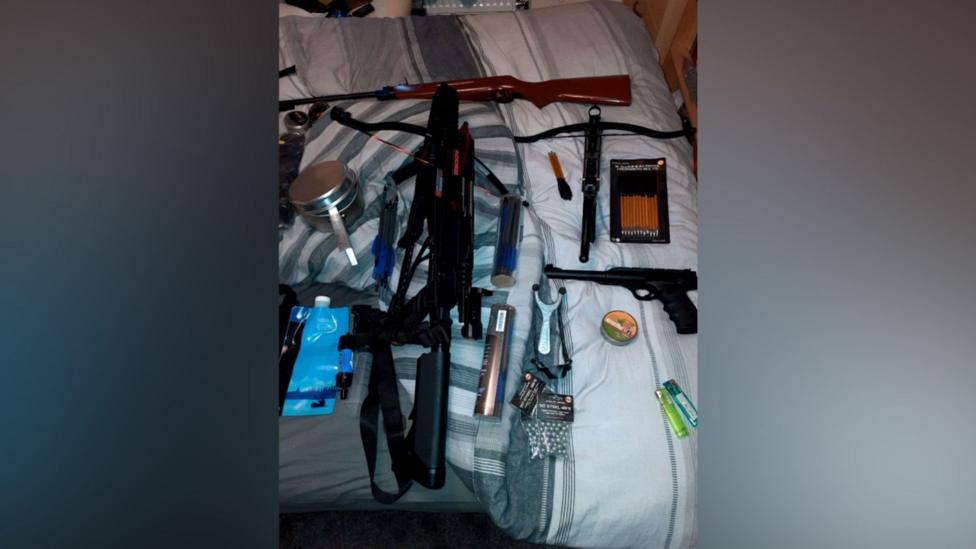
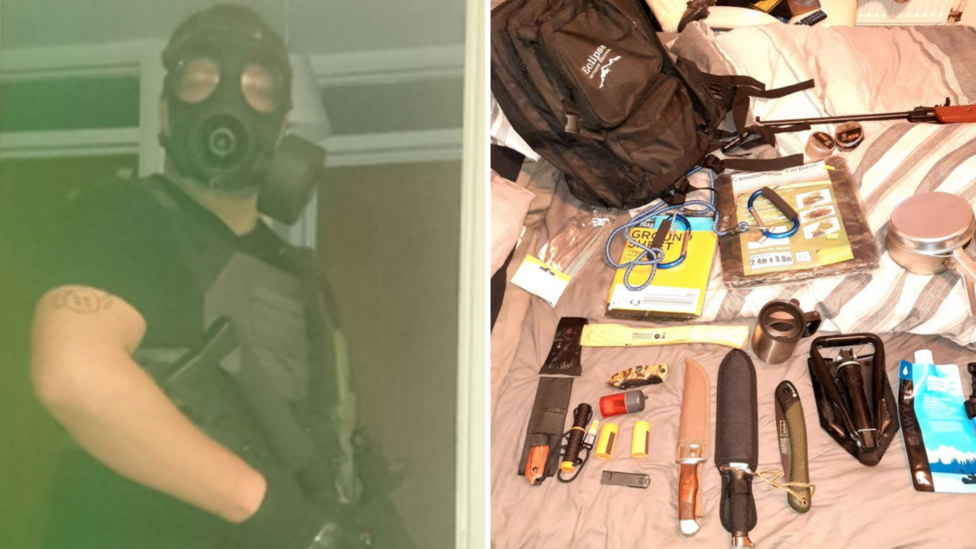
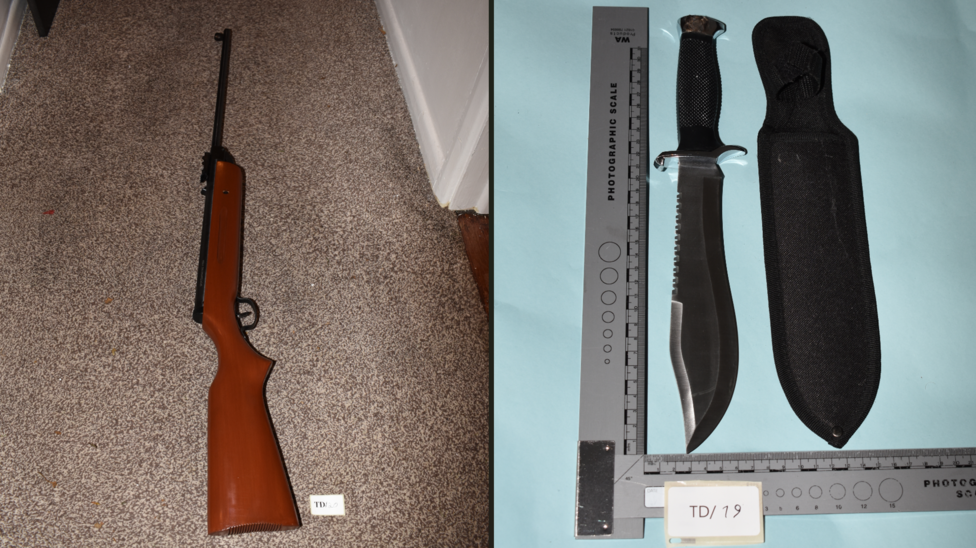
Broadhurst was apprehended at Catterick Garrison in North Yorkshire during September 2024. Subsequent searches of his residence in Chesterfield, Derbyshire, and his military barracks quarters revealed an array of weapons and materials. Officers discovered a homemade cannon constructed from wood and a pipe fastened with duct tape, gunpowder, 9mm ammunition, air pistols, rifles, crossbows, bolts, six large knives and a baseball bat.
How did authorities identify Broadhurst?
Counter-terrorism police became aware of Broadhurst while investigating other members of extreme right-wing groups. They identified his activity on two online forums where he shared hateful content. According to the Crown Prosecution Service, Broadhurst communicated for nearly two years on Facebook and Telegram with Christopher Ringrose, Brogan Stewart and Marco Pitzettu, individuals later convicted of terrorism offences.
Matthew Donkin KC, the prosecutor, described Broadhurst's online communications as
hateful, racist, aggressive and demonstrating clear, extreme right-wing beliefs and views. The messages revealed hatred directed at Black, Asian, Muslim and Jewish communities. Broadhurst made references to anarchism, societal collapse and his willingness to precipitate such an outcome. He expressed aspirations to achieve notoriety in history books and criminal records for terrorism and killing police officers, and he shared online orders for gunpowder ingredients.
What was the judge's assessment of his motivation?
Although Broadhurst pleaded guilty to the charges in June, he initially denied any terrorist motivation. The judge, however, concluded that he manufactured the firearm and explosives to gain acceptance and credibility within extreme right-wing groups and to encourage members in their violent, racist and anti-authority ideology. According to reporting from the Derbyshire Times, the judge ruled that one reason Broadhurst possessed the firearm and gunpowder was to make his threats credible to the group whose ideology he wanted to advance.
The prosecution noted that most of Broadhurst's extremist activity occurred before he enlisted in the Army. Jim Littlehales, defending counsel, presented a reference from a superior officer describing Broadhurst as
excellent at mentoring junior members of the catering teamand noting he maintained the highest professional standards. The defence also argued that the firearm was never used to threaten anyone.
What additional penalties were imposed?
Beyond his 46-month prison sentence, Broadhurst was given a 10-year notification order, according to the Derbyshire Times. This order requires him to register with police and comply with monitoring conditions for a decade following his release.
What is the broader context of this case?
Broadhurst's case forms part of a larger investigation into a network of extreme right-wing extremists. The three individuals with whom he communicated online—Ringrose, Stewart and Pitzettu—were subsequently convicted of terrorism offences. According to the Crown Prosecution Service, these three men received combined sentences totalling 29 years after convictions for planning a terrorist attack and other terrorism and firearms offences targeting Jewish and Muslim communities in northern England.
Following Broadhurst's case, questions emerged about military recruitment procedures. A report published in September revealed that the Army had temporarily relaxed recruitment vetting requirements, which allowed Broadhurst to enlist. This policy was subsequently rescinded, with background checks now required by the end of basic training.
Official response to the sentencing
Det Ch Supt James Dunkerley, head of Counter Terrorism Policing North East, stated:
Whilst Broadhurst pleaded guilty to these offences, he did not accept that his intent had a terrorist motivation. A thorough investigation was conducted which uncovered an extreme right-wing mindset and he was engaging in extensive conversations online with other individuals who hold similar views. He was proactively ordering components to make explosives, plus he amassed multiple weapons including firearms. After hearing the extensive evidence compiled throughout our investigation, the judge was satisfied his offending had a terrorist connection.
Frank Ferguson, head of the special crime and counter terrorism division, added:
Mark Broadhurst was clearly interested in violence and developing weapons that had the ability to cause untold harm to innocent people. He was immersed in extremist material and maintained close contact with three now-convicted terrorists inspired by SS tactics and supremacist ideology over a prolonged period.
Key Facts
- Broadhurst, 28, was sentenced to 46 months in prison on 29 July at Sheffield Crown Court after pleading guilty to possessing explosives and a firearms offence
- Police discovered a homemade cannon, gunpowder, 9mm ammunition, air pistols, rifles, crossbows and multiple knives during searches of his home and military quarters
- He communicated for nearly two years with three individuals later convicted of planning terrorist attacks targeting Jewish and Muslim communities
- The judge found his weapons and explosives were intended to establish credibility within extreme right-wing groups and advance their violent ideology
- Broadhurst received a 10-year notification order requiring police registration and monitoring following his release from prison