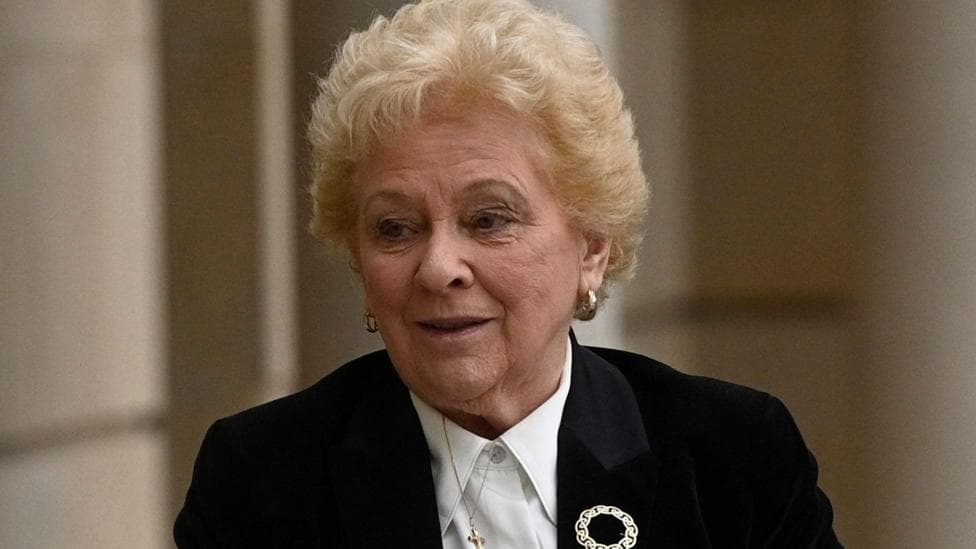
A former police ombudsman was told she would "destroy the peace process" if she published a report into the Royal Ulster Constabulary's investigation of the Omagh bomb, an inquiry has heard.
The 1998 bombing in the County Tyrone town resulted in the highest death toll of any single attack during the Troubles, killing 29 people including a woman pregnant with twins.
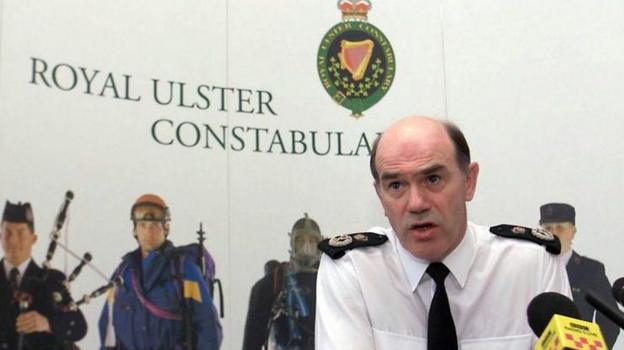
In 2001, a significant public dispute emerged between the Chief Constable of the Royal Ulster Constabulary Sir Ronnie Flanagan and the then Police Ombudsman Baroness Nuala O'Loan. Her report, released in December that year, was highly critical of the RUC's conduct and specifically of its chief constable and assistant chief constable. The inquiry also heard that when Baroness O'Loan taught law at the University of Ulster, Sir Ronnie had been one of her students. He provided evidence to the inquiry on Wednesday 14 October 2026.
Baroness O'Loan served as Northern Ireland's first police ombudsman from 2000 to 2007. During her seven-year tenure, she oversaw 21,000 investigations covering 35,000 allegations.
How did the investigation begin?
Following publication of an article in The Sunday People in July 2001 that highlighted severe failings in the RUC's investigations of the bombing and noted that a warning three days before the attack had not been acted upon, her office initiated a self-generated investigation into the RUC's handling of the case.
Baroness O'Loan told the inquiry that the allegations in the article posed a substantial risk to the RUC's credibility regarding the Omagh bombing. She characterised the explosion as
the most grave and exceptional crime in the history of Northern Ireland.
She explained her reasoning for launching the investigation:
It seemed to me that I had a power to investigate without a complaint and it seemed to me that given the gravity of the situation - given the terrible circumstances and the terrible consequences of the Omagh bomb - that I needed to think about investigating. Our aim in doing this investigation was A, to provide reassurance if reassurance was possible to the families, and B, to ensure that anything which could be done to facilitate the Omagh investigation in the hope that it would lead to convictions of those who were responsible for it.
What obstacles did the ombudsman face?
The investigation proved
challenging from the very beginning because of hostility in some quarters to the mere fact that I had decided to exercise my powers to examine matters relating to the Omagh bomb, Baroness O'Loan said. Although the then RUC chief constable initially assured her of full cooperation when informed of the investigation, significant difficulties soon emerged.
Baroness O'Loan described how she initially expected a brief inquiry, but its scope expanded considerably over time. Her office encountered persistent frustration when requesting information, which was either withheld or provided incompletely. She expressed particular surprise at discovering that the RUC was conducting an internal review of which she had not been informed.
We had asked for all the intelligence and we hadn't been told about this very significant document.
The ombudsman's office continued to struggle with redacted reports and was denied access to the police database.
It really was profoundly difficult that we were like drawing teeth in terms of getting information out of the police, she told the inquiry. In response to these obstacles, the Police Ombudsman's Office broadened the investigation to examine whether intelligence held by the RUC had been correctly revealed and exploited by the investigations team.
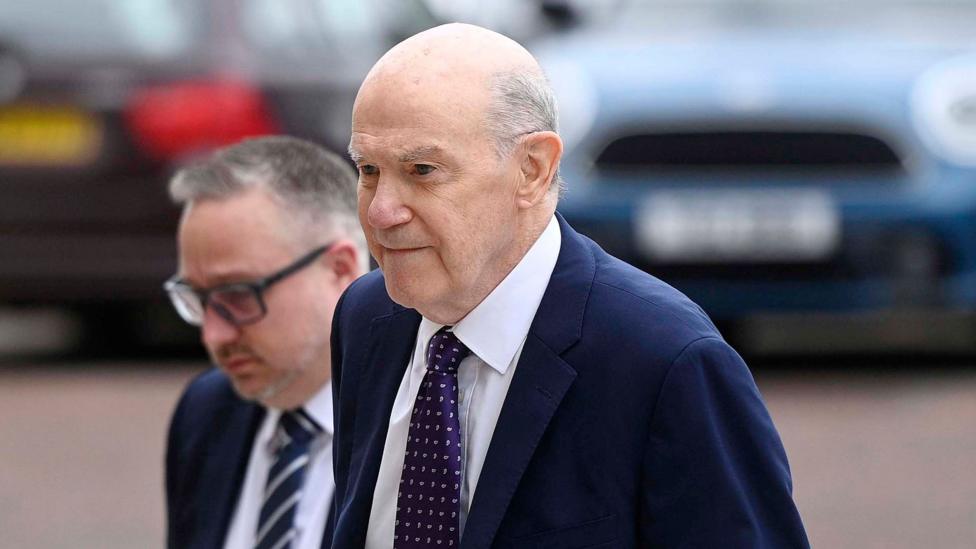
As the report neared completion and publication, Baroness O'Loan faced mounting pressure to suppress it. During a meeting with Sir Ronnie at Hillsborough Castle, he told her that she was
going to destroy the peace process, my office would never recover. According to reporting on the inquiry, Flanagan also phoned her the day before the report was due to be delivered, urging her not to publish it. The inquiry was also told that he threatened to pursue a judicial review to prevent publication of the report.
What did the published report find?
The report was released on 12 December 2001. Among its key findings was that the judgement and leadership of the chief constable and the assistant chief constable had been seriously flawed, and that the chances of apprehending and convicting those responsible had been significantly reduced.
Baroness O'Loan explained the investigation's conclusions to the inquiry:
The investigation was very quickly wound down by the police, you know? The number of officers involved and the way in which it was conducted - it was flawed. I think that's accepted now. It seemed to me that there was a huge, huge problem there in terms of a fundamental investigation of the biggest tragedy of the Troubles was just left drifting.
The report also identified significant problems in how the security forces received, recorded, evaluated, handled and disseminated intelligence information. Particular concern was raised about the mishandling of information from an RUC informer known as Kevin Fulton, who had warned his handlers about an imminent bombing. According to the inquiry evidence, O'Loan's team found nothing to suggest that Fulton was unreliable.
How were specific warnings handled?
Baroness O'Loan highlighted a particularly troubling example of how police dismissed a warning call received by Omagh RUC on 4 August, which warned of an attack in Omagh on 15 August—the day the bomb exploded.
I think the dismissal of this as a fall out among smugglers, to me, that was bizarre and absurd, she said.
She outlined the logic of how such a warning should have been treated:
If you were involved in a forthcoming terrorist bomb of this kind and you wanted to get it stopped, you might decide that you would provide information which would be specific which would require action, with a specific date - the specific date. So you would want the police or military to take some action to prevent it.
During the 2001 controversy surrounding the report's publication, Baroness O'Loan faced harsh personal criticism. According to her testimony to the inquiry, she was called a "suicide bomber who had outlived my usefulness" and said she was "not particularly" supported by the Northern Ireland Office. She also revealed that the draft report, which she delivered on 28 November 2001, was leaked to the Sunday Times before its official release.
What happens next?
Sir Ronnie Flanagan provided evidence to the inquiry on Wednesday 14 October 2026. The inquiry's published schedule indicates that the next evidential hearing block is planned for 9–12 November 2026, covering Parts 8 to 10, though timings remain subject to change. The inquiry is examining whether the bombing could have been prevented by UK authorities, with its Chapter Three hearings focused on detailed evidence about the bombing and how it was carried out.