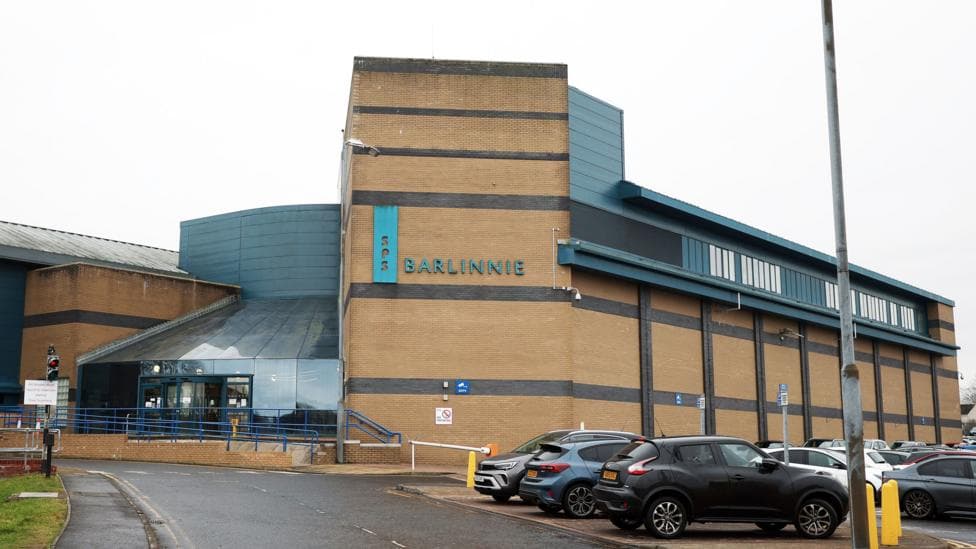
Water supply disruptions at HMP Barlinnie in Glasgow have persisted for nearly a week, affecting most areas of Scotland's largest prison facility. The Scottish Prison Service acknowledged on 13 October that despite restoring the main water supply, significant disruption continues across the facility, with further repair work identified as necessary.
The crisis began when the prison reported a drop in water pressure to Scottish Water at 16:00 on Thursday, 8 October. Scottish Water confirmed the issue was internal to the prison, not affecting its local network. The initial disruption affected prisoners in A and E halls, though the SPS could not specify how many inmates were impacted.
Since the problems began, the Scottish Prison Service has reported that most of the five halls within Barlinnie have experienced some form of water supply disruption. The impact has extended beyond prisoner facilities to affect staff areas and visitor amenities.
What conditions have prisoners faced?
Relatives and friends of inmates have reported that prisoners have endured extended periods without hot water and, in some cases, no running water at all. These shortages have left some prisoners unable to flush toilets in their cells. The SPS initially stated on Sunday that water supply had been restored, but subsequently acknowledged that disruption persists despite this claim.
Concerns have also been raised about heating problems throughout the facility. Water tankers continue to be deployed to refill storage tanks as the prison works to stabilise its water systems. The prison distributed 2,000 additional two-litre bottles of water to prisoners during the disruption to help manage the shortage.
Why is the prison particularly vulnerable?
Barlinnie's infrastructure challenges have been well documented. In 2025, prison inspectors described parts of the facility as being in a "wretchedly poor state" and operating at 30 per cent over capacity. The 143-year-old prison was housing almost 1,400 prisoners when it was designed to accommodate just 987.
The water crisis has highlighted additional structural concerns, with a large volume of water leaking into the building's ground. These infrastructure problems compound the facility's existing overcrowding issues and raise questions about the prison's ability to maintain basic services.
What is the Scottish Prison Service saying?
A Scottish Prison Service spokesperson stated:
As our estates team have worked through the issues of the last few days, further repair work has been identified. While water supply has been restored, and heating and hot water are available, there continues to be some disruption. We are grateful to those in our care for their cooperation and understanding.
The SPS has not yet provided an estimate of the volume of water lost during the disruption. Investigative and remedial work remains ongoing, with no completion date announced for the additional repair work that has been identified.
How is the Scottish government responding?
The Scottish government said ministers are currently monitoring the situation. A government spokesperson stated:
We are aware of the continuing water pressure issues at HMP Barlinnie and note that hot water and heating has now been restored, although some disruption persists. The Scottish Prison Service is working hard to ensure services get back to normal as quickly as possible, recognises the inconvenience and frustration this has caused for those who live and work in the prison and is grateful for their patience and understanding.
What is planned for the future?
The Scottish government has committed to building a replacement facility for Barlinnie. Construction of the new prison is currently underway and is scheduled for completion in 2028 at a cost of nearly £1 billion. This development comes as the existing facility continues to struggle with capacity and infrastructure challenges that the current crisis has brought into sharp focus.
Key Facts
- Water supply disruptions began on 8 October and have affected most areas of the five-hall facility
- The prison was designed for 987 inmates but currently houses almost 1,400, operating at 30 per cent over capacity
- Water tankers remain in use to refill storage tanks as repairs continue
- A replacement prison is under construction and due to open in 2028