A cast member of the world's longest-running radio soap opera has expressed anger at the BBC's decision to abandon plans for a new dedicated studio, a move that threatens to uproot production from its Birmingham home of 75 years.
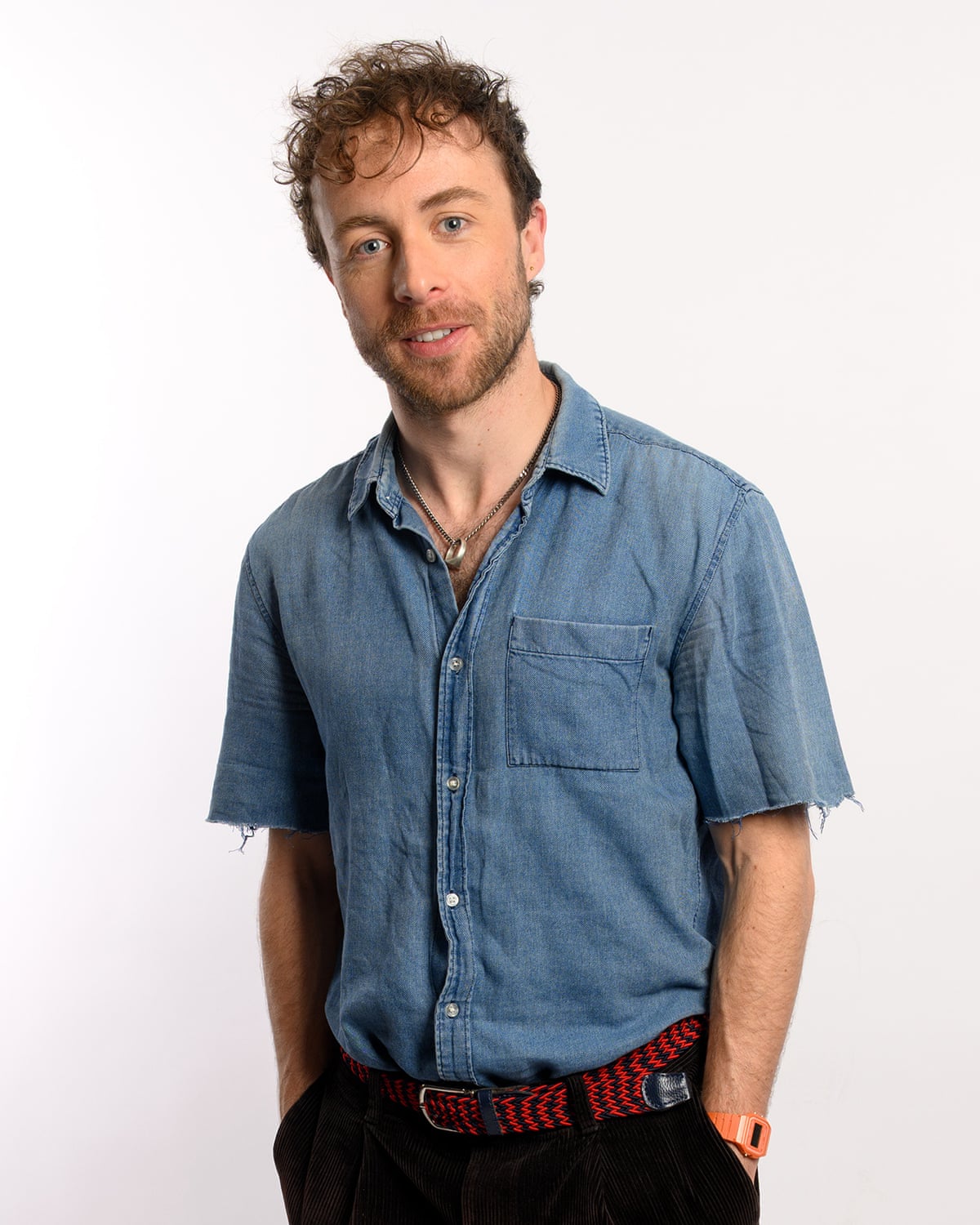
Ben Norris, who portrays Ben Archer in the programme, warned that scrapping the facility could compromise the show's quality and impose severe strain on production staff. He characterised the decision as "classic short-termism" that fails to deliver value to licence fee payers and contradicts the corporation's stated commitment to regional culture.
The BBC announced last week that it would cancel construction of the new studio at the Tea Factory in Digbeth, the corporation's Birmingham headquarters, as part of a broader £500m cost-cutting initiative. While production staff will still relocate to the Tea Factory in early 2028, the broadcaster is now searching for an existing UK studio where the show could be recorded, with no guarantee it will remain in the West Midlands.
Why the cast is concerned about the new arrangement
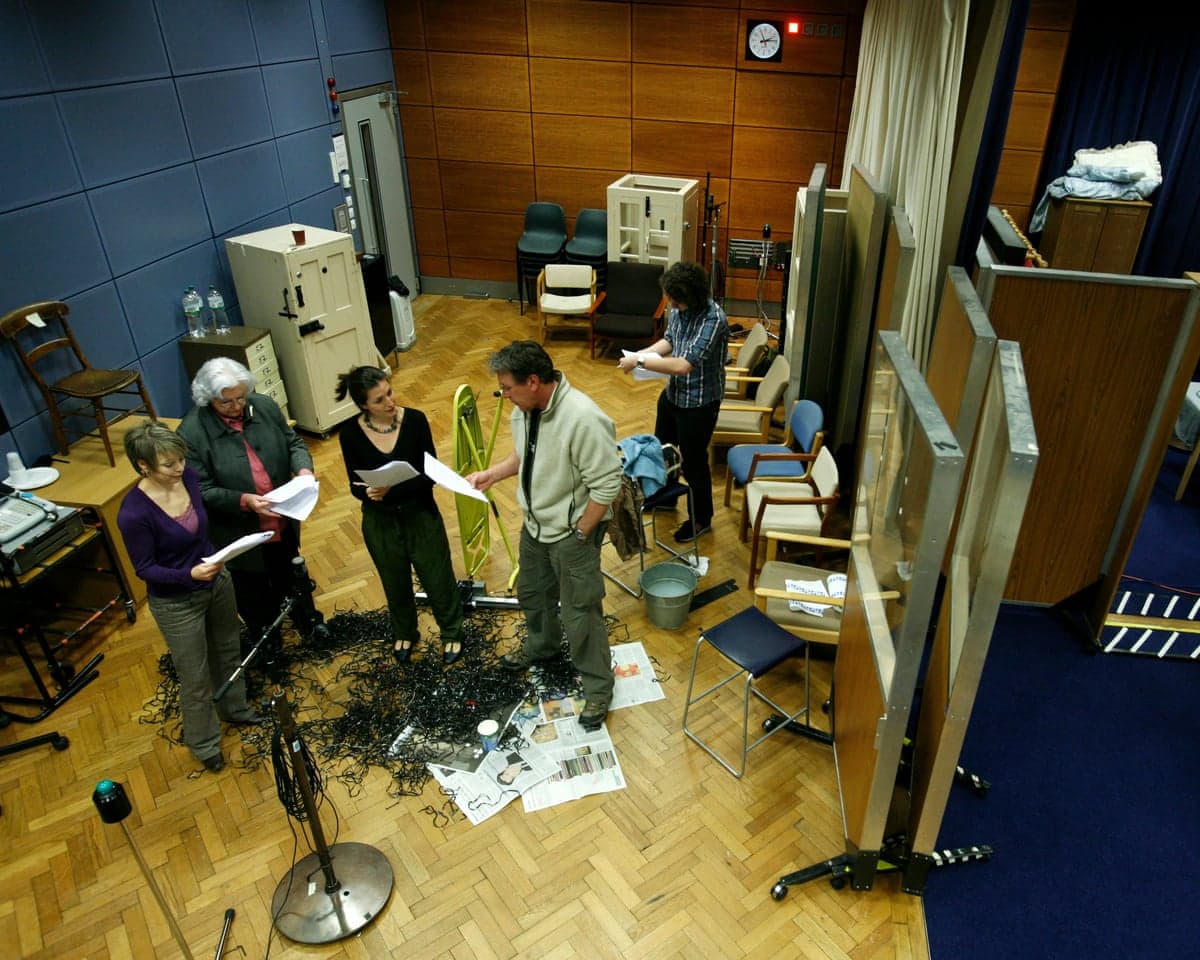
Norris told a national newspaper that the current proposal—which would separate the location where actors record from where production staff work—represents a fundamental misunderstanding of how the programme operates. The Archers employs a highly specialised recording method unlike almost any other audio drama, requiring specific technical facilities and equipment that would need to be transported and reconstructed at any new venue, creating what he described as an "extraordinary burden" on the technical team.
Cast members convened on Monday to discuss the announcement. Norris outlined several practical obstacles with the proposed arrangement, including the necessity for last-minute script revisions and access to bespoke production facilities. He noted that the additional costs of relocating personnel to an alternative studio would likely offset the savings from cancelling the new build within five years, making the decision economically questionable.
"The Archers is recorded in a very specific way that is unlike almost all other audio drama. There are very few other studios that have those facilities, and none that are up to the same specifications as our current setup."
According to the BBC's statement on the matter, cast members record in the studio for approximately eight days each month, with many travelling from across the UK to participate. This existing arrangement already requires significant logistical coordination, and separating the recording location from production operations would intensify these challenges.
What impact could this have on regional employment and talent development?
The decision threatens opportunities for local actors and production professionals in the West Midlands. Norris emphasised that the programme has historically served as a launching point for regional talent, particularly for day players cast in smaller roles such as midwives or mechanics. He stressed that the show's connection to Birmingham has enabled the development of local writing and production teams, and that relocating production would undermine both the BBC's and government's stated objectives to foster cultural and economic growth across all regions of the UK.
"For day players, of which the Archers has many – coming in to play somebody's midwife, somebody's mechanic – those roles often go to local actors and should go to local actors because it's one of the places that people can start their careers. It's the same for the writing team and the production team."
While the cast includes members from various parts of the country, Norris noted that a significant proportion have strong ties to the Midlands, either through their training, upbringing, or current residence. The decision, he argued, directly contradicts the BBC's public commitment to regional development.
How might this affect the show's quality and sustainability?
Norris expressed concern that the new working arrangement could eventually damage the programme's output. Separating cast and crew would strain relationships between performers and production staff, potentially affecting morale and wellbeing. While the show might initially maintain its standards, he warned that the cumulative effect of these pressures would eventually become apparent to listeners.
"We're worried about the sustainability of this way of working. We are worried about the relationship between cast and crew, but also their energy levels, their wellbeing … Maybe we'd get away with it for a bit, but we think at some point the show would suffer and the listeners would perceive that."
The BBC has stated that it is assessing its existing UK studios and external West Midlands options, and the corporation says it wants a more cost-effective arrangement that still maintains the programme's production standards. However, no final decision has been made on where recording will take place.
What is the broader context for these cuts?
The studio cancellation forms part of the BBC's wider financial restructuring. The BBC announced in June that savings across its news, nations and content divisions would contribute £160 million toward its £500 million savings target by 2028/29. This decision reflects the corporation's efforts to reduce expenditure across multiple departments and services.
What happens next?
The performing arts union Equity has announced its opposition to the BBC's plans. Matt Brittin, the BBC's director general, met with West Midlands mayor Richard Parker on Wednesday to explore opportunities for continuing to record the show in the region. The production team remains scheduled to move to the Tea Factory in early 2028, while the recording location remains undecided.
Key Facts:
- The BBC has cancelled plans for a new studio at the Tea Factory in Birmingham as part of a £500m cost-cutting drive
- Production staff will still relocate to the Tea Factory in early 2028, but the show's recording location is now uncertain
- Cast members record approximately eight days per month, with many travelling from across the UK
- The performing arts union Equity opposes the decision
- The BBC says it is assessing existing UK studios and West Midlands options but has made no final decision