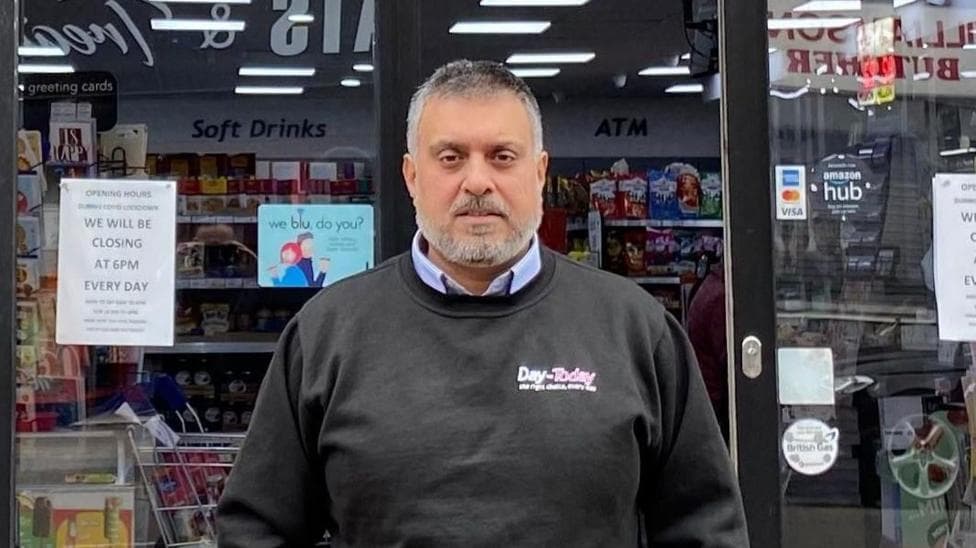
Mohammed Rajak has operated his family grocery store in Glasgow's East End for 35 years, but he says the most pressing challenge to his business today comes from nearby retailers selling illicit tobacco and vaping products. Customers now openly ask him for cheap cigarettes, sometimes admitting they've come to the wrong shop, a stark contrast to the hushed inquiries of the past. The proliferation of unregulated sellers undermines legitimate traders and fuels organised crime networks operating across Scotland's high streets.
Rajak's experience reflects a broader crisis affecting communities nationwide. Britain's high streets have become focal points for organised crime and economic decline, with illicit tobacco operations now embedded in towns large and small. Scotland has experienced a 28% rise in vape retailers since 2020, concentrated in deprived areas like Greenock, creating an environment where illegal sellers can operate with relative impunity.
Rajak refuses to stock illicit products and watches helplessly as customers he has turned away walk to nearby shops he suspects of selling them.
Sometimes they even come in and say: 'Oh, we've come to the wrong shop'. It used to be they would lower their voices. Now it's just brazen: 'Have you got any cheap tobacco?'.He observes that these unregulated retailers will sell to anyone, including children, because they operate without meaningful consequences.
You wouldn't you go into a shop and buy out-of-date medicine because it's going to be harmful for you, so I don't know why you'd so something similar with illicit tobacco and vapes.
What makes illicit products so dangerous?
The products sold through these illegal channels pose serious health risks that extend far beyond tax evasion. Trading Standards has characterised the expansion of illicit tobacco retailers as an
explosionacross Scotland's high streets. Many items originate from small, unregulated factories operating outside any country's safety standards, having been produced for legal sale elsewhere before being diverted to the black market.
Laboratory testing has revealed alarming contamination in seized products, including rat droppings and woodchips. These substances pose direct health hazards to consumers who have no way of knowing what they are inhaling or ingesting. Beyond the physical contents, buyers cannot verify whether products meet UK safety standards or contain the ingredients listed on packaging.
How widespread is the problem in Scotland?
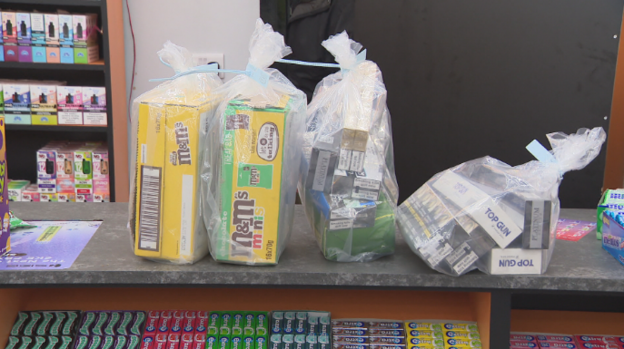
The scale of illicit tobacco trafficking in Scotland is substantial and growing. Glasgow Trading Standards reported 132,845 illegal cigarettes found in the first half of 2026 and said it had seized 9,629 single-use vapes and issued 11 single-use vape ban fixed penalty notices so far in 2026. A recent enforcement operation demonstrated the scale of the trade: a recent HMRC crackdown led to seizures of more than 139,000 cigarettes and 29 kilos of illicit hand-rolling tobacco across several Scottish towns and cities, including Glasgow.
The problem extends beyond major urban centres. Trading Standards and HMRC recently raided a shop in Inverness suspected of selling illicit tobacco. This marked the 11th visit to the premises since 2024 and the ninth occasion on which officers found or were sold illicit products. Despite repeated enforcement action, the shop remained open. The officer leading the operation, who requested anonymity, expressed frustration:
We're doing as much as we can, but it's very disappointing. We could go in every day of the week, and we'd probably find something.After discovering illicit stock, officers bag the products for investigation and submit referrals to HMRC, which then determines whether to impose monetary penalties on the business owner.
Why is enforcement so inconsistent across Scotland?
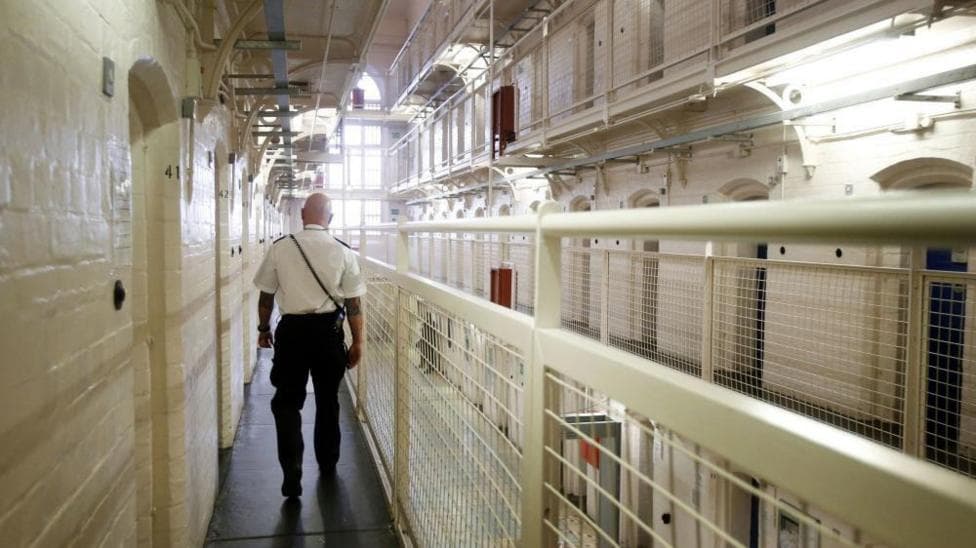
Current enforcement powers available to Trading Standards in Scotland are significantly weaker than those held by counterparts in England and Wales. Officers can only issue Fixed Penalty Notices to individuals caught selling tobacco and vapes to underage customers or committing other breaches such as incorrect display or failure to request age verification. They lack the regulatory authority to close non-compliant businesses entirely.

Freedom of Information requests submitted to all Scottish councils revealed stark disparities in enforcement activity over the past decade. North Lanarkshire issued 243 fixed penalty notices, while Angus, Comhairle nan Eilean Siar (Western Isles), East Renfrewshire, North Ayrshire, Orkney, Scottish Borders and Shetland each issued fewer than 10. East Lothian, which provided data only for the past five years, had conducted no raids or test purchases during that period.
The data also demonstrates that underage vaping has become an increasing enforcement priority for Trading Standards officers. Test purchasing—where a minor attempts to buy cigarettes or vapes in a shop—allows officers to gather evidence for issuing fixed penalty notices.
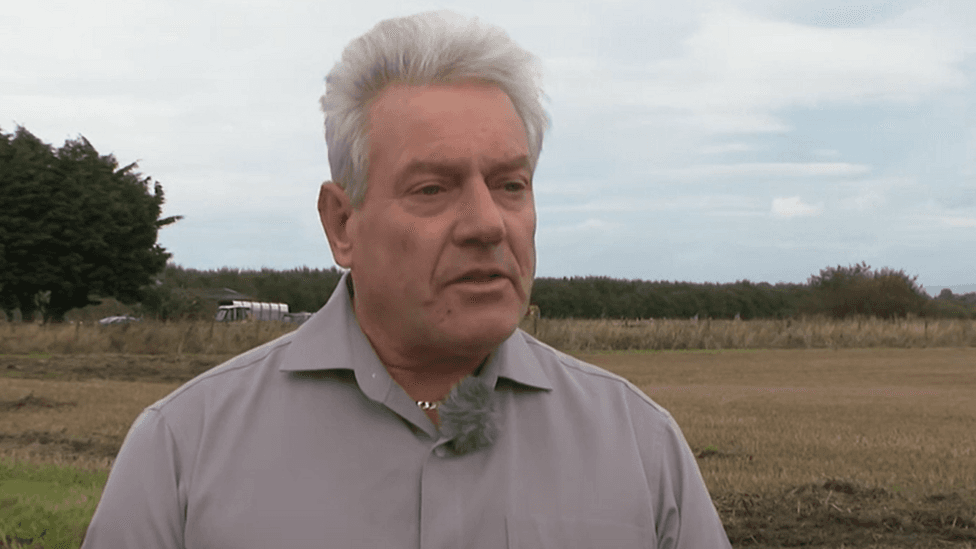
David MacKenzie, chair of the Chartered Trading Standards Institute and head of Trading Standards at Highland Council, argues that enforcement would be more effective if the Scottish government granted powers equivalent to those available in England and Wales.
This crime really threatens our communities. Organised crime has long been an issue in our big cities, but now it's everywhere.He acknowledges that some businesses respond to warnings and change their practices, but repeat offenders create persistent frustration.
Some businesses do take the warning and change what they do. But some others are repeat offenders and it's very frustrating to deal with them.
How does illicit tobacco support organised crime?
Purchasing illicit tobacco and vaping products directly funds organised crime networks. Trading Standards has identified this connection as a critical concern extending beyond lost tax revenues and unfair competition for legitimate retailers. Trading Standards officers face increasing threats and violence from organised crime gangs operating illegal businesses on UK high streets, prompting calls for greater powers and funding to address the issue.
Dr Garth Reid, consultant in public health at Public Health Scotland, emphasises the public health dimension:
Illicit tobacco and vape products undermine efforts to protect health. They are cheap, readily available and sold outside the safeguards that apply to regulated products.The combination of low cost and easy availability makes these products particularly attractive to young people, potentially reversing decades of progress in reducing youth smoking and vaping rates.
What enforcement changes are coming?
Scotland's regulatory framework is expanding significantly. The Tobacco and Vapes Act 2026 received Royal Assent on 29 April 2026, establishing a wider legal framework for tackling illicit sales. On 29 October 2026, new rules commence that extend retailer registration and banning orders to nicotine product and herbal smoking product businesses, not just tobacco and vaping retailers. According to Scottish government guidance, enforcement authorities will be able to use fixed penalty notices for new offences from 29 October 2026, including selling unpackaged cigarettes, free distribution or heavy discounting of tobacco and vaping products, and some oral tobacco products such as snus.
The 2026 Act also makes nicotine product and herbal smoking product retailers subject to the same registration requirements already applied to tobacco and vaping sellers, with unregistered trading offences beginning on 29 April 2027. Age-of-sale rules for tobacco, cigarette papers and vaping products remain enforceable by trading standards until 31 December 2026, before new offences take effect from 1 January 2027.
What happens next?
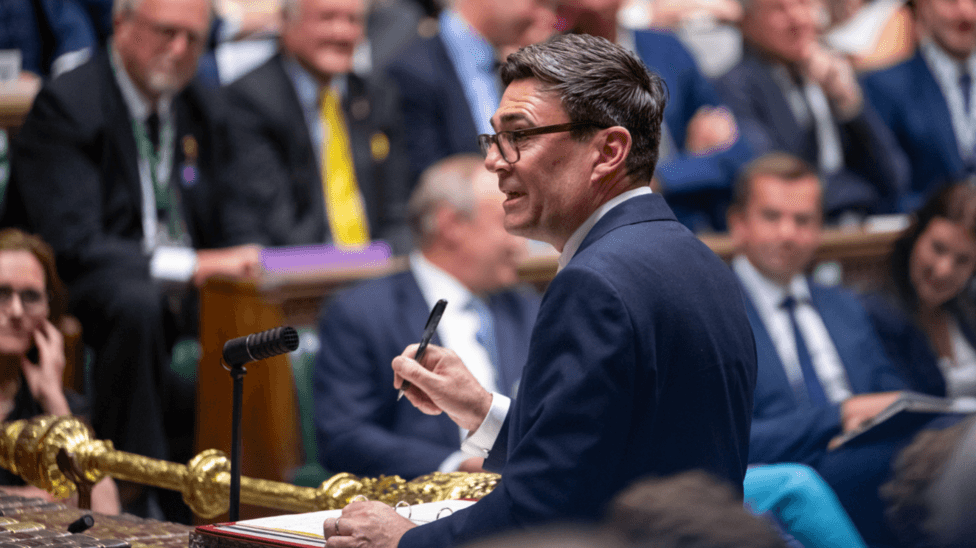
The Scottish government minister for victims and community safety, Kirsten Oswald, acknowledged that high street organised crime and illicit tobacco represent serious issues. She told that the government is examining the situation to determine the most effective approach to tackling the problem going forward. The expanded powers coming into effect from October 2026 represent a significant step, but enforcement will depend on adequate funding and officer capacity across all Scottish councils.
Key Facts
- Trading Standards in Scotland currently lack the power to close businesses selling illicit tobacco, unlike their counterparts in England and Wales
- Illicit tobacco products can contain rat droppings, woodchips and other harmful substances, and do not meet UK safety standards
- Enforcement activity varies dramatically across Scotland, with North Lanarkshire issuing 243 fixed penalty notices over 10 years while seven councils issued fewer than 10 each
- New enforcement powers under the Tobacco and Vapes Act 2026 commence on 29 October 2026, extending regulation to nicotine and herbal smoking product retailers
- Illicit tobacco sales directly fund organised crime networks and undermine legitimate retailers operating within regulatory requirements