Threats and Intimidation Against Trading Standards Officers
A midnight phone call from a High Street crime gang threatened crime investigator Mandy with death and arson, marking the beginning of a sustained campaign of intimidation that ultimately forced her and her husband to relocate.
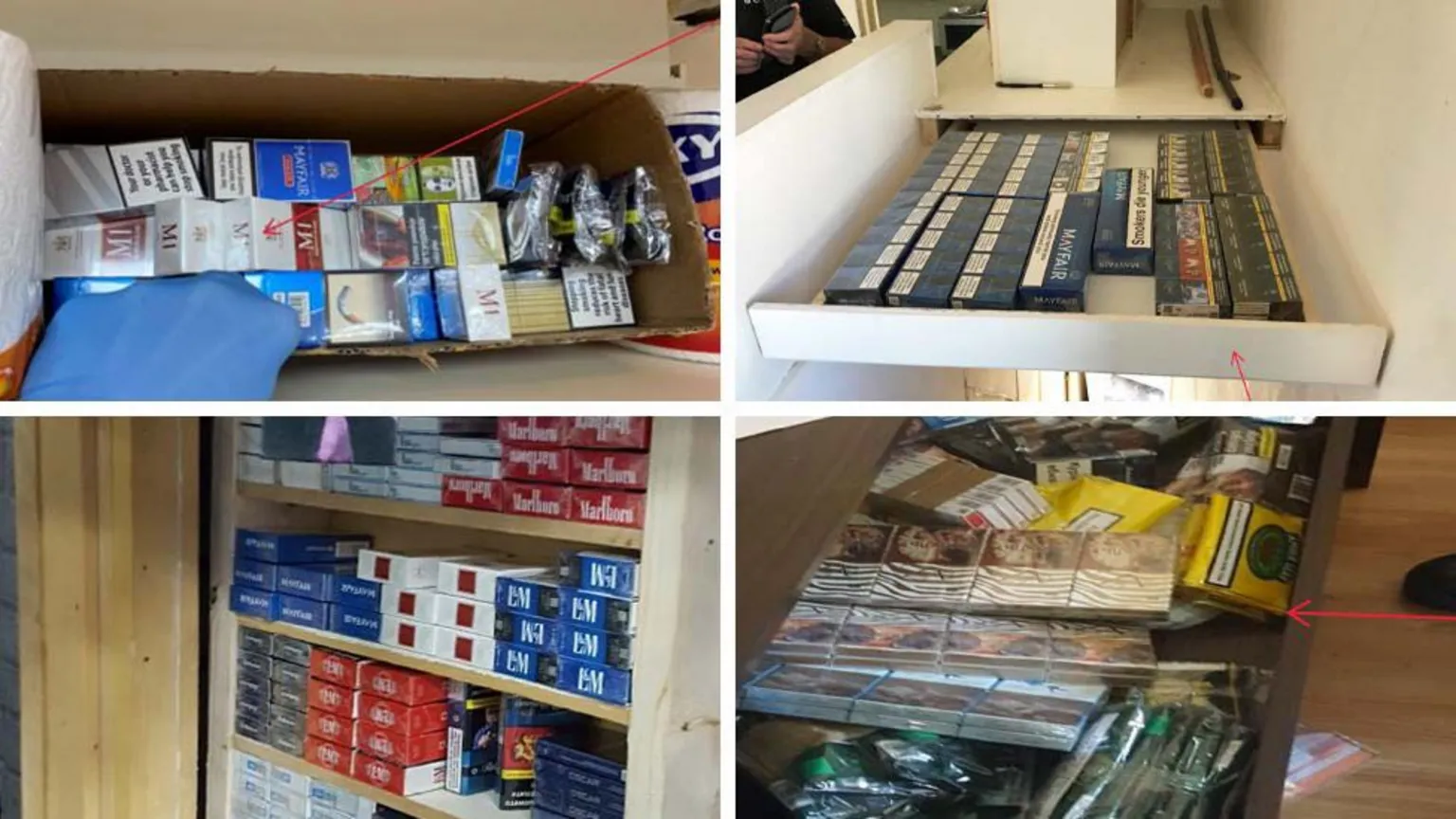
Mandy endured escalating threats from a Kurdish crime gang involved in selling illegal cigarettes and nitrous oxide canisters through mini-marts across the UK.
Groups of men repeatedly appeared at her front door, and her car was rammed off the road twice.
Mandy is among 24 Trading Standards officers who have shared accounts of the daily intimidation and violence they encounter from criminal gangs operating mini-marts and vape shops. These officers investigate unfair trading, illegal business activities, and enforce consumer protection laws.
Rising Organised Crime on High Streets
According to the Chartered Trading Standards Institute (CTSI), organised crime on High Streets has steadily increased over the past decade.
A recent survey of over 2,000 CTSI members indicates that 96% of front-line teams now confront such criminal activity.
More than 70% of officers working for local authorities across England, Wales, Scotland, and Northern Ireland have faced threats of intimidation or violence, the survey found.
In some regions, up to half of mini-marts and vape shops, and approximately one-third of American candy stores, are believed to have links to organised crime.
For the first time, CTSI has mapped areas where High Street crime gangs are most active. The data reveals criminal operations not only in large cities but also in smaller towns such as Great Yarmouth in Norfolk and Barry in South Wales, as well as in villages.
CTSI chief executive John Herriman describes the "alarming emergence" of organised crime as the "number one threat" facing the profession.
The UK government stated it is "working with the police, the National Crime Agency and Trading Standards to take the strongest possible action against these criminal businesses."
Personal Experience of Intimidation
Mandy's intimidation began while assisting in the prosecution of a sophisticated gang operating a multi-million-pound network of over 50 shops across the UK.
During the trial, she was followed home and targeted by defendants who were out on bail.
"They found out where I lived - and then three or four of them would just sit in front of my home."
One defendant obtained her personal phone number and sent her aggressive text messages demanding the return of money seized during a raid on his shop.
"Bear in mind, he was a failed asylum seeker not permitted to work. He was driving a nice BMW,"Mandy said.
The intimidation was relentless. On the night of the midnight call, Mandy was alone while her husband was at work.
"I had this male shouting on the phone. I could hear other males in the background shouting."
"Do you know who you're [expletive] dealing with? You need to [expletive] stop. If you don't, we're going to kill your husband, we're going to kill you and we will burn down your house."
A few months later, Mandy's new car, parked outside her home, was rammed off the road in the early hours by an uninsured vehicle linked to one of the defendants.
"It was over £10,000 of damage. It was a brand new car. We only had it for about three weeks,"she said.
Shortly after repairs, the car was rammed again during the night and written off after being hit by another car insured by one of the defendants.
After two years of continuous intimidation, Mandy and her husband decided to sell their home and move.

"This was supposed to be my forever home and we've just finished renovating it after 10 years,"she said.
Following police advice, they used three different removal companies and staggered their move to prevent the criminals from discovering their new address.
"I emigrated from South Africa to get away from that fear in your own home,"Mandy added.
The defendants who intimidated her were sentenced to imprisonment for money laundering, illicit tobacco offences, and fraud.
Broader Context of High Street Criminality
Mandy's experience contributes to a broader understanding of the extent of criminality on UK High Streets, which has been investigated over the past year.
Earlier this month, reports revealed that cocaine and cannabis are being sold openly in shops in West Midlands towns, prompting the Prime Minister to pledge increased neighbourhood policing.
In Greater London, a female Trading Standards apprentice, who requested anonymity, expressed surprise at the dangers of her role.
"The second I step into the High Street all eyes are on me - there's four or five guys that will suddenly start moving texting people,"she said.
Trading Standards officers do not have arrest powers but can inspect premises, seize evidence, and request police support.
While searching for illegal cigarettes and vapes, the apprentice reported being locked inside shops and receiving sexual comments from a shop worker who threatened to find her on social media.
"You go home feeling eternally unclean, like no shower makes you feel any better,"she said. She credits her colleagues' support for her continuation in the role.
She described the nights before raids as stressful, with poor sleep and nightmares due to uncertainty about what she might encounter.
Physical Assault and Increased Danger
Andrew Meaney, a Trading Standards officer in Wales with over 36 years of experience, often wears a stab vest due to the dangers of dealing with organised crime groups.
Andrew was physically assaulted by a shop worker after preventing him from driving away in a car loaded with illegal tobacco.
"He became very aggressive, lunged at me, grabbed me by the throat… then spat in my face."
Andrew expressed disappointment that the assailant was fined only £415 for battery, an amount he noted the shop could recoup in a single day from illegal cigarette sales.

Calls for Greater Powers and Funding
Mandy told the BBC that the threat landscape is changing, with officers facing increasing danger from organised crime, yet lacking adequate training and equipment.
The CTSI advocates for enhanced powers to enable officers to close illegal shops more easily and for longer durations.
Currently, premises can be closed for up to three months under anti-social behaviour legislation, but closures often require supporting statements from businesses and the public.
When shops close, criminals frequently reopen new ones nearby, according to BBC sources.
The UK government announced the establishment of a new task force to strengthen responses to High Street illegality and money laundering, including the recruitment of 120 new Trading Standards apprentices and £10 million in annual funding for three years.
"Since March 2025, we have visited over 3,000 High Street premises suspected of criminal activity and arrested nearly 1,000 individuals,"the government stated.
The CTSI requests £100 million investment to fund more Trading Standards officers, providing additional "boots on the ground" to prevent serious organised crime from gaining a foothold.
"We weren't set up to be able to deal with serious and organised crime,"said John Herriman.
Additional reporting by Phill Edwards.