The yellow eel fishery on Lough Neagh will remain closed for three consecutive years beginning in 2026, prompting the government to introduce a £700,000 financial assistance programme for affected operators. A small number of specialist hauliers transporting eels will also qualify for support under the new scheme.
The initiative follows conservation measures announced earlier in the year to protect declining eel populations. Minister Andrew Muir of the Agriculture, Environment and Rural Affairs department described the Lough Neagh Eel Fishery Transition Scheme as essential for maintaining a sustainable industry while rebuilding eel stocks that have been falling since the early 1980s. He stressed that the package represents a transition programme rather than a decommissioning scheme, acknowledging that the required conservation steps will create substantial hardship for those dependent on the fishery.
The European eel remains critically endangered, with recruitment from its Sargasso Sea spawning grounds far below historic levels. DAERA confirmed the 2026 eel fishery rules on 4 June, establishing a three-year closure of the yellow eel fishery alongside a 25-tonne silver eel catch limit and a 90 centimetre maximum landing size.
Who qualifies for financial support?
Up to 81 permit holders are eligible for partial, time-limited assistance, along with five specialist eel hauliers. Applicants can seek reimbursement of 50% of lost income, calculated based on commercial activity during 2022, 2023 or 2024. The scheme aims to provide businesses with time to adjust to reduced fishing opportunities, maintain their vessels, and investigate more sustainable practices or alternative income sources.
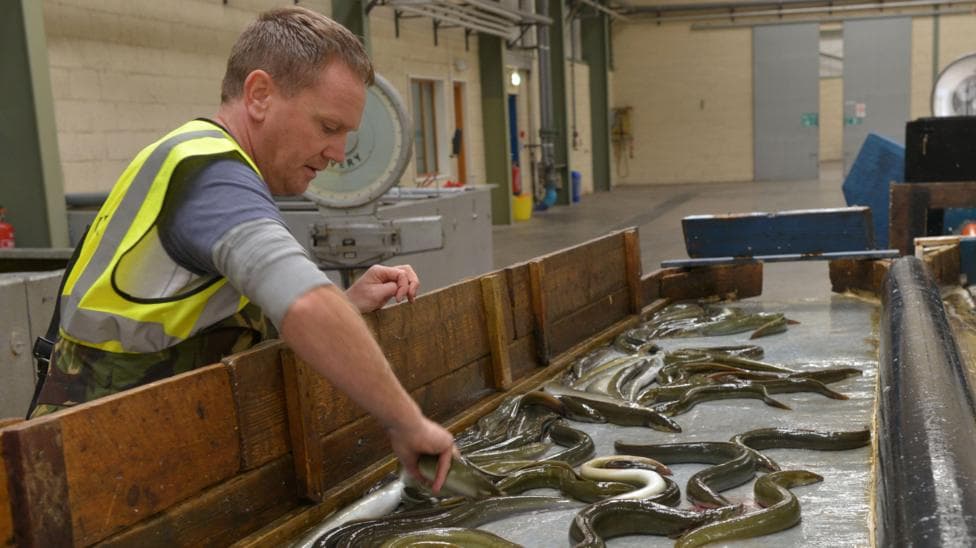
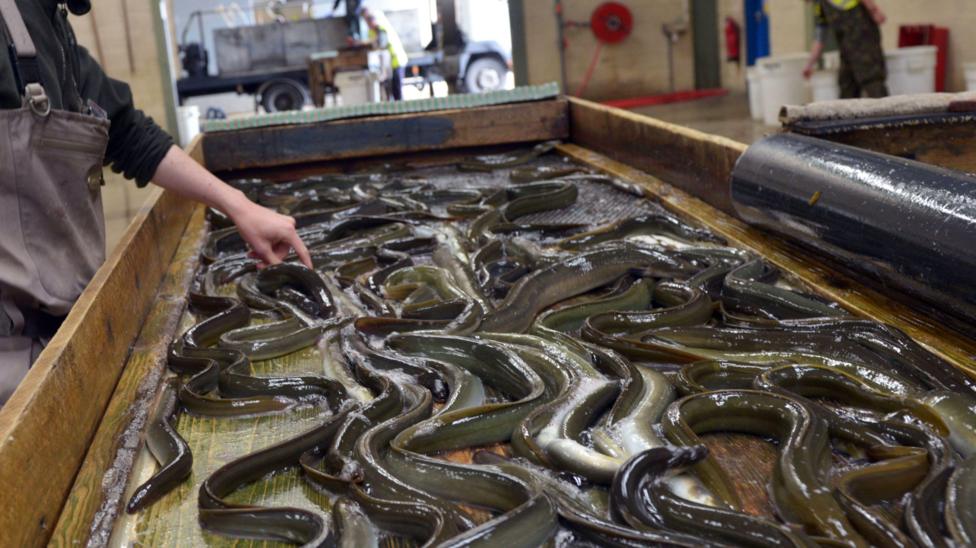
Eel-fishing on Lough Neagh represents a heritage industry, with many families engaged in the work across multiple generations. Although around 80 licences are currently issued for eel fishing, not all are actively used. For those who do fish commercially for eels, the catch can represent as much as 70% of their annual income. All fishing rights are held by the Lough Neagh Fishermen's Co-operative Society, and Lough Neagh remains the only commercial eel fishery operating in Northern Ireland.

Two overlapping fishing seasons exist on the lough: one targeting yellow and brown eels, and a later season for silver eels as they migrate back towards the Atlantic. The silver eel catch was restricted to a minimal 25 tonnes at the Lough Neagh Fishermen's Co-operative as part of the conservation framework.
Why has the fishery been closed?
The collapse in eel populations was first identified in 1983, and numbers have not recovered in the decades since. While the precise causes remain incompletely understood, habitat loss, climate change and excessive fishing are believed to be significant contributing factors. Fisheries across Europe have been reducing or eliminating their eel operations following guidance from ICES, the International Council for the Exploration of the Sea, an international monitoring body.
On Lough Neagh specifically, a sustained decline in the number of mature silver eels successfully escaping back to the Atlantic to spawn in the Sargasso Sea has prompted urgent action. The yellow and brown eel fishery closure spanning three years from 2026 is intended to increase the proportion of eels reaching maturity and subsequently breeding. ICES scientific advice for 2026 recommended that, under the precautionary approach, there should be zero catches of European eel in all habitats.
Minister Muir characterised the challenge as
a much wider international conservation challenge that is not specific to Lough Neagh, but that the lough had a role to play in conservation.He emphasised the government's commitment to both recovery and workforce preservation:
We need to give the eel stock the opportunity to recover while recognising the importance of retaining the skilled workforce that has sustained this fishery for generations. This scheme is about transition and sustainability, not decommissioning. Future management decisions will remain dependent on the scientific evidence and statutory obligations, but we want to preserve the skills and capacity needed for a sustainable fishery in the future.
What is the broader context?
The decline of European eels extends well beyond Lough Neagh. Guernsey Nature Commission is asking residents to report eel sightings to help protect the critically endangered European eel, which has declined by over 95% since the 1980s due to habitat loss and migration barriers. Environmental pressures on Lough Neagh itself have also intensified scrutiny of the fishery. New research from Queen's University Belfast suggests sand dredging in Lough Neagh has wider ecological impacts than previously known, affecting sediment spread and water quality, though the Lough Neagh Sand Traders dispute these findings.
The Lough Neagh eel holds special status as the first Northern Ireland product to be granted Protected Geographical Indication (PGI) status by the EU, reflecting its cultural and commercial significance to the region.
Key Facts
- The yellow eel fishery will close for three years from 2026; silver eel catches are limited to 25 tonnes with a maximum length of 90 centimetres
- Up to 81 permit holders and five specialist hauliers can claim 50% reimbursement of lost income based on 2022–2024 commercial activity
- European eel populations have declined by over 95% since the 1980s due to habitat loss, climate change and overfishing
- Lough Neagh is the only commercial eel fishery remaining in Northern Ireland
- The Lough Neagh eel was the first Northern Ireland product to receive EU Protected Geographical Indication status