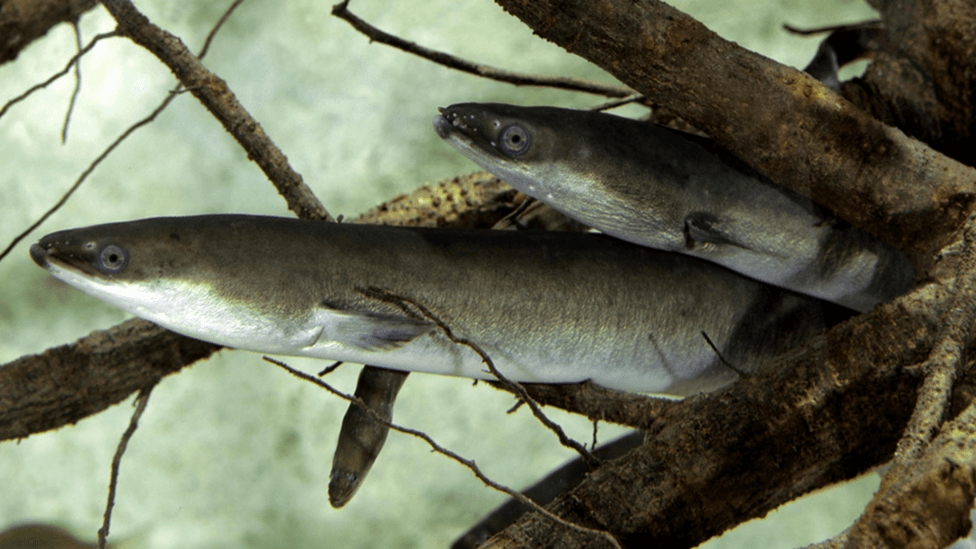
Islanders have been asked to document sightings of European eels as part of a conservation effort to better understand the species' presence and distribution across Guernsey. The Guernsey Nature Commission is coordinating the initiative in response to the species' severe global decline, with the population having fallen by more than 95% since the 1980s.
The European eel is classified as critically endangered by the International Union for Conservation of Nature's Red List of Threatened Species, placing it in the category closest to extinction. According to a 2026 European Parliament question, the species' stock has decreased by more than 90% in recent decades, underscoring the urgency of conservation efforts.
Ecologist Charlotte Burgoine of the Nature Commission has invited residents to share information about recent or historical eel sightings, as well as knowledge of locations where eels were previously observed.
Environmental DNA testing was taking place in the island's freshwater ponds and streams, she explained, as part of efforts to identify where eels currently inhabit the island.
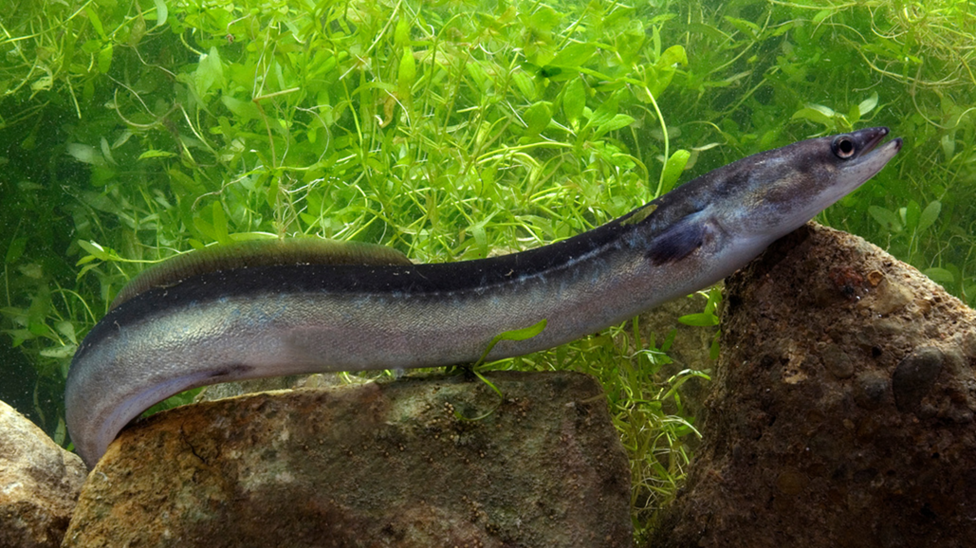
The Nature Commission and Guernsey Water are conducting environmental DNA sampling across freshwater habitats to gather data on eel presence and distribution. Notably, the Nature Commission's 2024 State of Nature report indicates that no formal surveying of freshwater eels has been undertaken in Guernsey or Herm, despite the species being known to occur there.
What makes European eels distinctive?
European eels possess an unusual life cycle known as catadromous breeding. They hatch in the Sargasso Sea in the Atlantic Ocean, migrate to freshwater environments where they grow and mature, and then return to the ocean to spawn. The eels are strong nocturnal hunters and can live for up to 80 years, according to Burgoine.

What threats are driving the decline?
Multiple environmental pressures have contributed to the species' collapse. Freshwater habitats are disappearing due to drainage, land clearance, habitat mismanagement and pollution. These losses fragment and isolate remaining waterbodies, preventing eels from moving between them to access feeding grounds. Infrastructure such as pipes and dams along coastlines and inland waterways further obstructs the migration of eels returning from the sea to their freshwater habitats.
The severity of the threat is reflected in international management advice. ICES advice for 2026 recommends a precautionary zero-catch approach for European eel in all habitats, acknowledging that the species cannot sustain any fishing pressure. Additionally, a 2025 European eel scientific working group report identifies hydropower as a major source of mortality, with research now focused on developing fish passage and screening solutions.
How can islanders help?
Residents with information about eel sightings or historical knowledge of eel populations can submit records to the Guernsey Biological Records Centre or through iRecord, a dedicated online reporting platform.
These species are declining globally so it would be great to understand more about populations on island, Burgoine said, emphasising the value of local observations in filling knowledge gaps about the species' status in Guernsey.
The conservation effort reflects broader efforts across the Channel Islands to protect endangered species. Similar initiatives have included a joint project that saved the rare dwarf pansy from extinction in Guernsey, demonstrating the region's commitment to species recovery.
What happens next?
The data gathered through environmental DNA sampling and public sightings reports will inform future conservation strategies for the species in Guernsey. International management frameworks will continue to guide protection efforts, with the zero-catch approach expected to remain in place as the primary management tool across all habitats where the species occurs.