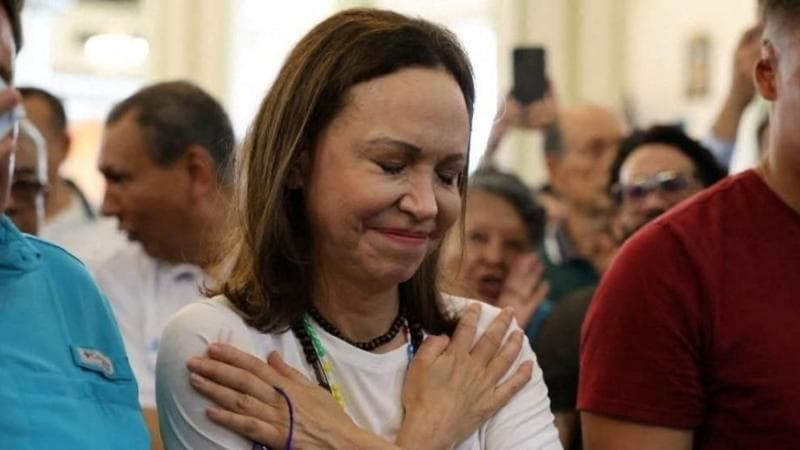
María Corina Machado, a prominent Venezuelan opposition figure, has arrived back in her country following more than ten months away, marking a significant moment in the nation's turbulent political landscape. According to BBC News, Machado announced her presence on social media on Sunday, declaring "I am here. With you" to supporters. Her homecoming represents a reversal of fortune after multiple failed attempts to re-enter the country in preceding months.
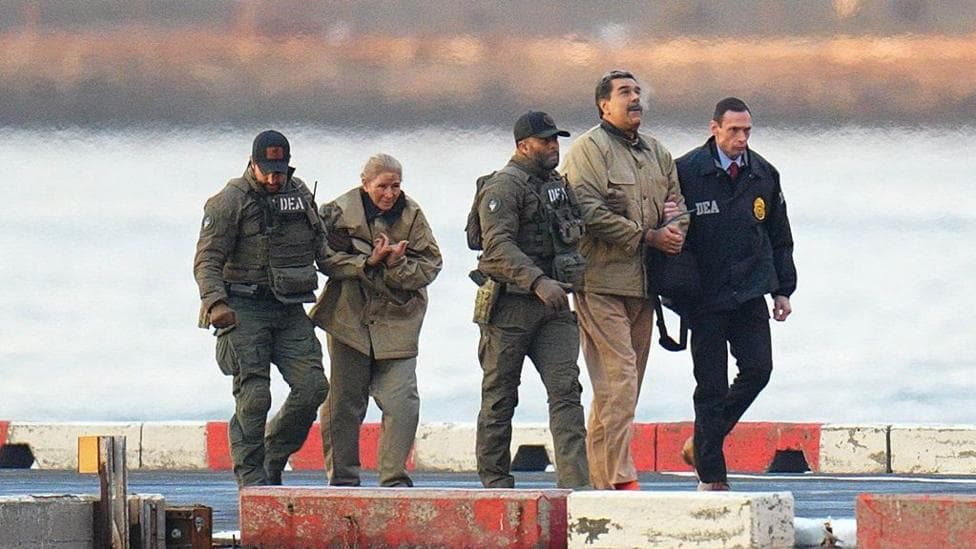
The opposition leader departed Venezuela in January following the US removal of President Nicolás Maduro, who was subsequently arrested and transported to New York to face charges including drug trafficking, weapons violations, and torture allegations. Maduro has entered a plea of not guilty to these charges. Machado had fled to Norway to receive the Nobel Peace Prize after spending her final weeks in Venezuela concealed in safe houses.
Machado's departure and return have been intertwined with shifting US policy. In January, the Trump administration backed Delcy Rodríguez, Maduro's deputy, as interim leader. Rodríguez was subsequently sworn in and negotiated an oil agreement that provided highly favourable conditions to the United States. The conditions permitting Machado's safe return emerged directly from US-supported reconciliation discussions, according to Secretary of State Marco Rubio, who noted that these talks have already resulted in the liberation of hundreds of political detainees and the return of hundreds of opposition figures from exile.
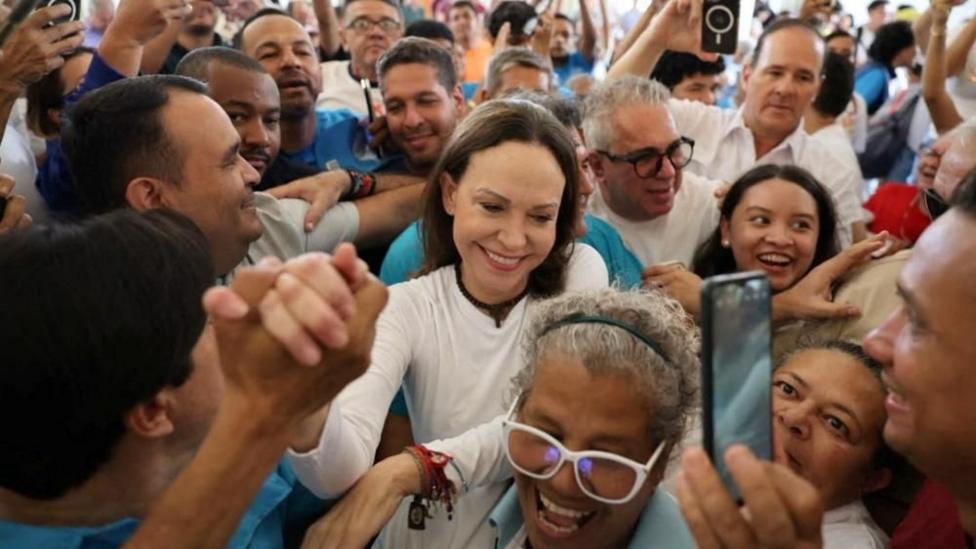
Witnesses documented Machado attending Sunday Mass at a church in Lara state, where she was surrounded by enthusiastic supporters embracing her and holding her hands. Edmundo González, her political ally and former presidential candidate, confirmed her arrival in a public statement, declaring "I am thrilled to announce to you that our leader, my dear María Corina, is on Venezuelan soil." González pledged to join Machado in Venezuela shortly to guide the nation "toward freedom."
What were the obstacles to her return?
Machado encountered substantial resistance in her attempts to come home. An adviser disclosed that during the preceding weeks of September, she had made seven separate efforts to return to Venezuela, only to be turned away each time. Reports suggested US involvement in postponing her return, though American officials have disputed this characterisation. According to Reuters, Machado did not reveal her location or provide details regarding how she managed to return to Venezuela.
Her capacity to re-enter the country remained contingent on authorisation from the Trump administration, which appears to have now been granted. When questioned by reporters on Sunday, Trump stated he possessed no knowledge of her return but expressed hope for her safety. "I think she's a very nice woman. She gave me her Nobel Prize, so how can I say anything else? And I hope she's safe," he remarked. During a January visit to the White House, Machado had presented her Nobel Prize to Trump, though the Nobel Committee has stated the award "cannot be revoked, shared, or transferred to others."
What is her political background?
Machado has established herself as a steadfast advocate for democratic governance in Venezuela. In 2023, she secured victory in an independent presidential primary election conducted outside the Maduro government's official electoral framework, obtaining more than ninety percent of the vote. Despite this decisive primary victory, Maduro's administration disqualified her from running for office, citing accusations of fraud and tax violations. Machado rejected these allegations, characterising them as politically motivated.
During the 2024 election, González competed in Machado's place against Maduro. The electoral authority, which maintains close alignment with the government, proclaimed Maduro victorious without releasing comprehensive voting records. The opposition contested this outcome, asserting that González had won and publishing copies of voting tallies as substantiation.
The political situation has remained volatile since Maduro's removal. Opposition leader Juan Pablo Guanipa was kidnapped hours after his release from detention, prompting international condemnation. Additionally, Rodríguez has overhauled Venezuela's military leadership by replacing all senior commanders following the dismissal of the defence minister who had been close to Maduro.
What are Machado's immediate plans?
According to Reuters, Machado's adviser David Smolansky indicated that she intends to meet with victims of June's devastating earthquakes and families of political prisoners, as well as engage with international representatives and democratic movement leaders. Smolansky characterised her return as "a major step toward a democratic transition and free, fair, and verifiable presidential elections in the near future." He expressed gratitude to President Trump, Secretary of State Rubio, the US Government, Congress, and allied nations for their "continued leadership and support."
Before Machado's return, her Vente Venezuela movement had been preparing an application designed to gather voter-registration information from Venezuelans living abroad, indicating preparation for future electoral participation. In late August, opposition figure Omar González had returned to Venezuela after nearly three years in exile, characterising his homecoming as a "prelude" to Machado's arrival.
What happens next?
Machado has previously stated she would seek the presidency again if elections were held. Smolansky has indicated that Machado will pursue a date for free and fair elections, though no election date has been formally established. Machado has proposed that an election should occur by July 2027. The reconciliation talks that enabled her return represent what Rubio described as "the best chance Venezuela has had in thirty years to peacefully achieve not just a free and fair election but an enduring democracy."