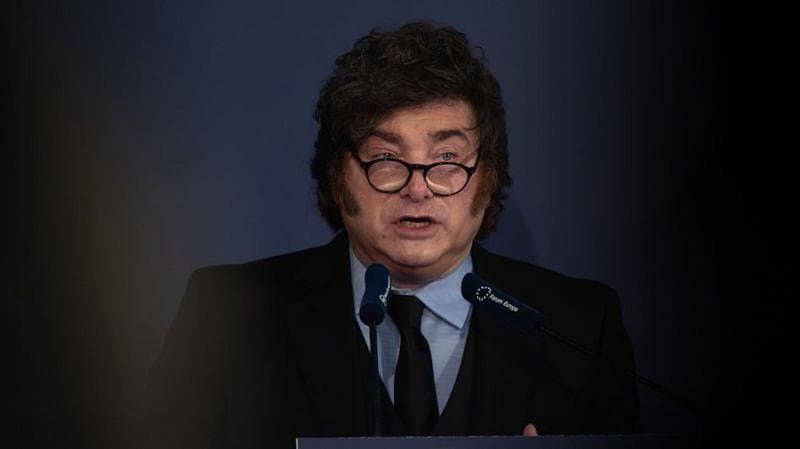
A federal judge in Argentina has dismissed a criminal investigation into President Javier Milei and his sister Karina Milei over their alleged involvement in a cryptocurrency scandal. According to BBC News, the case was dropped at the request of prosecutors following a review of the evidence.
Federal judge Marcelo Martinez de Giorgi ruled that the reported events did not constitute a criminal offence under Argentine law. In his decision, the judge concluded that no "criminally relevant deception" had been demonstrated against the president or his sister. According to TN, the 60-page ruling relied on Article 336(3) of Argentina's Criminal Procedure Code, which allows for dismissal when investigated conduct does not constitute an offence. The dismissal also extends to nine other individuals named in the case, including Mauricio Novelli, Manuel Terrones Godoy and Hayden Davis.
What triggered the investigation?
The investigation centred on Milei's promotion of the newly launched $Libra cryptocurrency in February 2025. The president shared a post on X, formerly Twitter, endorsing the coin and providing a link to purchase it, describing it as a tool that would support small businesses and start-ups. The cryptocurrency's price surged immediately following his endorsement.
Within hours, however, Milei deleted his post. The $Libra token subsequently collapsed in value, leaving most investors with substantial losses. The rapid rise and fall of the coin's price prompted accusations that Milei had orchestrated a "rug pull"—a scheme in which promoters attract buyers before halting trading and retaining the funds raised from sales.
How did Milei defend himself?
The Argentine president consistently denied any wrongdoing throughout the investigation. Milei maintained that he had acted "in good faith" and insisted he had not actively promoted the cryptocurrency.
"I didn't promote it, I merely shared it,"he told local media outlet Todo Noticias.
Milei further explained his decision to remove the post by stating that he initially lacked knowledge of the project's specifics.
"After learning about it, I decided not to continue promoting it,"he said in a television interview. He also contended that investors who purchased $Libra had done so voluntarily and were aware of the associated risks. The presidential office separately asserted that Milei had no involvement in the development of the cryptocurrency and announced that the Anti-Corruption Office would examine whether the president had acted improperly.
What was the prosecutor's assessment?
Prosecutor Eduardo Taiano sought dismissal after reviewing documents, financial movements, communications and digital-forensics reports, according to court records. His recommendation formed the basis for the judge's decision to close the case. The judge also rejected separate allegations against Milei of abuse of authority and incompatible dealings with public office.
What political consequences did the scandal create?
The $Libra collapse prompted significant political backlash. Opposition members of Congress initiated plans for impeachment proceedings against the president, viewing the incident as evidence of serious misconduct. Online critics accused Milei of orchestrating a rug pull scheme, intensifying pressure on his administration during the controversy.
How does this relate to other legal proceedings?
The Argentine criminal case was separate from civil litigation in the United States. A US class-action lawsuit over $LIBRA was dismissed by a New York judge on technical grounds, though that dismissal had no bearing on the Argentine investigation.
What happens next?
The Argentine dismissal remains subject to potential appeal, though no appeal deadline or hearing date has been reported in available coverage. The ruling applies to the proceedings examined by the court, but the case file could theoretically be reopened if new evidence emerges or if appellate courts overturn the judge's decision.