Welcome to the Conversation
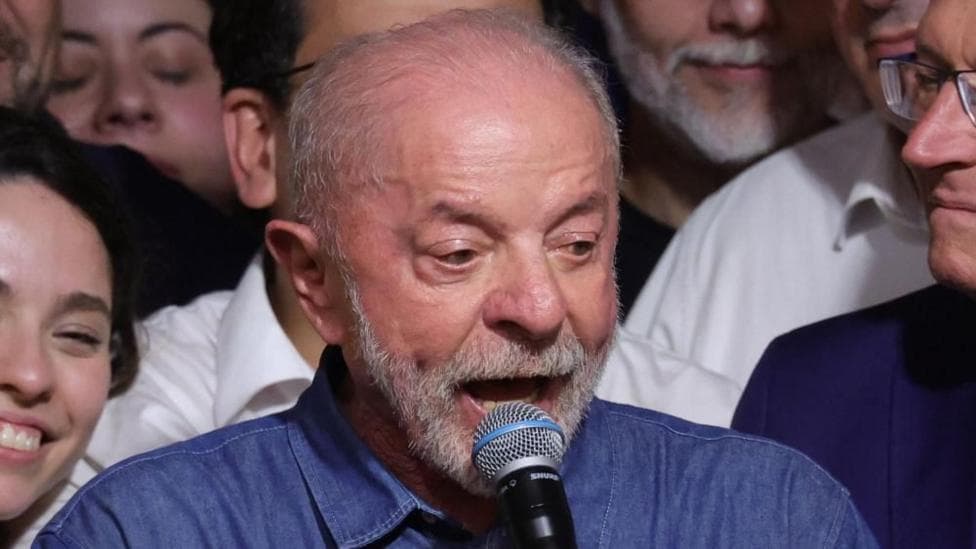
After losing the first round of Brazil's presidential election to far-right rival Flávio Bolsonaro, incumbent Luiz Inácio Lula da Silva, better known simply as Lula, orchestrated one of the most remarkable political recoveries in modern Brazilian history by securing victory in the runoff on 25 October. The outcome grants him a fourth presidential term and will establish him as the country's longest-serving leader. According to The Guardian, the final tally showed Lula with 51.79% of votes against Bolsonaro's 48.21%.
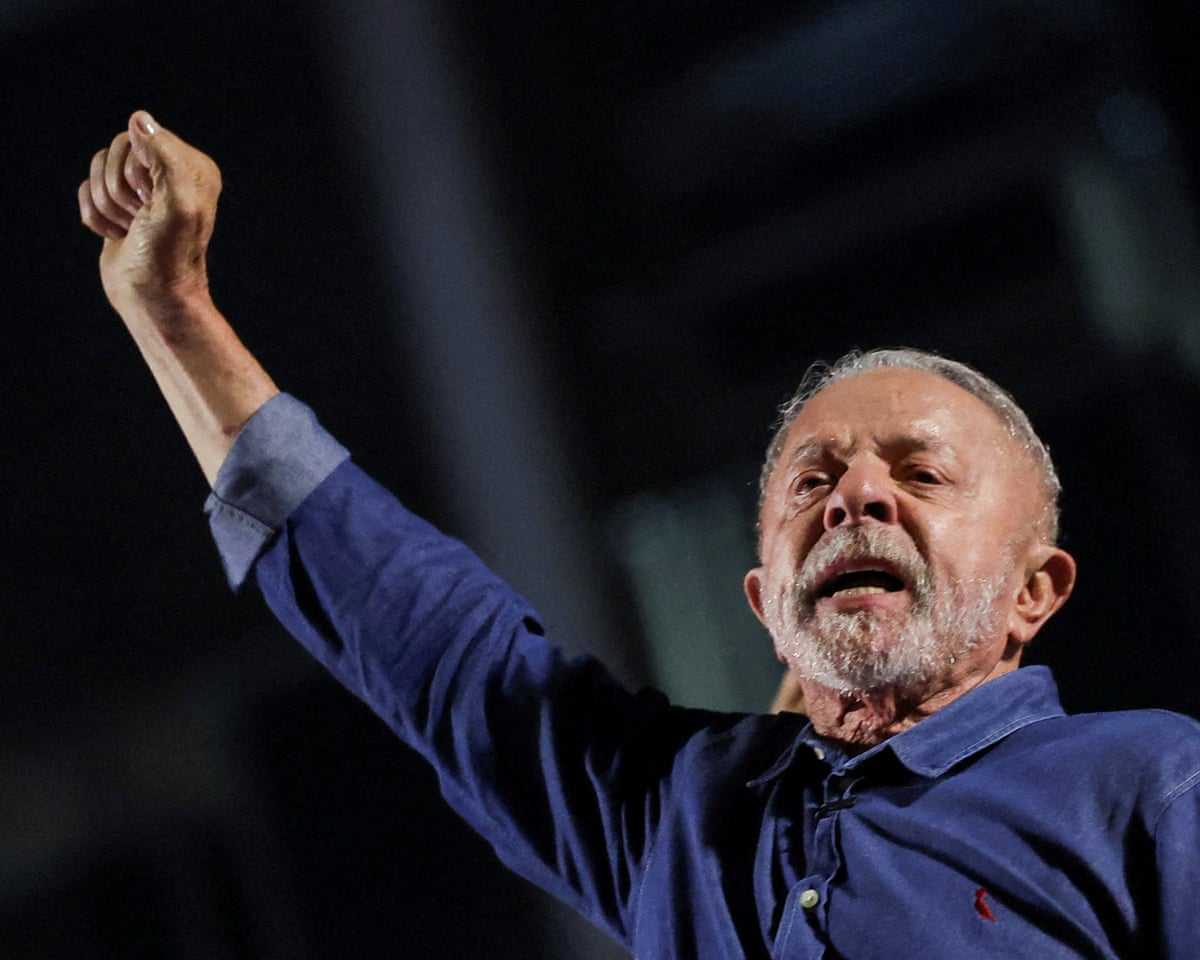
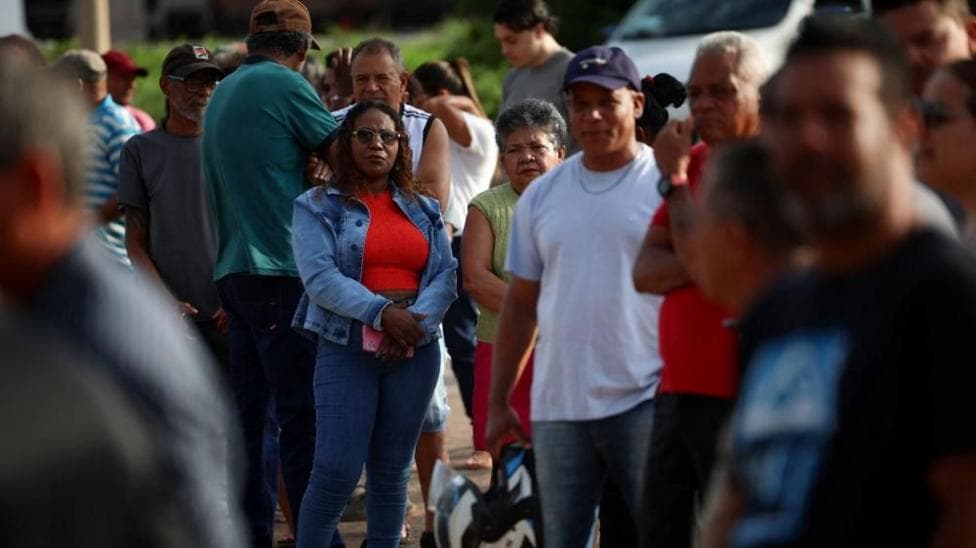
The margin of victory—a difference of 4.4 million votes—came after a supreme court judge extended polling hours by two hours and following accusations from Lula's campaign that opponents had deliberately disrupted public transport to suppress voter turnout. This represented the first occasion in Brazilian electoral history that a first-round outcome had been reversed. According to reporting on the election dynamics, Lula mobilized 10.4 million additional voters between the two rounds, with approximately three-quarters of the 14.1 million new participants in the runoff casting ballots for him.
What Does Bolsonaro's Response Mean?
Flávio Bolsonaro, the son of imprisoned former president Jair Bolsonaro who is serving a 27-year jail term for his involvement in an attempted coup following the previous presidential election, has refused to acknowledge the result. He initially declared Lula's victory
"sacanagem"—a Portuguese expression roughly equivalent to "bullshit." Following the election, Bolsonaro indicated he would pursue annulment but subsequently shifted toward organizing opposition, stating he would need to convince the electoral court that Lula's victory resulted from fraud. The election results are scheduled for certification by 18 December, providing a deadline for any legal challenges.
What Challenges Await Lula's Fourth Term?
Brazil remains profoundly divided, and Lula will confront a Congress dominated by Bolsonaro allies if he intends to enact substantial legislative reforms. Reuters reported that Bolsonaro's Liberal Party and allied parties could control more than 280 seats in the lower house and up to 50 Senate seats, giving the right-wing bloc considerable parliamentary influence. His capacity for action is further constrained by an unfavorable economic climate, with Brazil grappling with escalating debt levels and persistent structural challenges. At 81 years old, questions remain about whether the re-elected president possesses the stamina to confront far-right opposition throughout another four-year term and to establish a credible path for succession.
What Are the Regional and International Implications?
Lula's victory carries significance extending beyond Brazil's borders. The outcome demonstrates that the continent's rightward trajectory is neither inevitable nor irreversible, though the movement retains substantial electoral backing, agenda-setting power, and a powerful ally in Washington. The result will shape Brazil's diplomatic relationships, particularly with the incoming Trump administration, and may influence broader political dynamics across Latin America during a period of ideological contestation.
What Happens Next?
Lula is expected to assume office on 5 January 2027. Until then, the electoral court will process any challenges to the result, with the certification deadline set for 18 December. The incoming administration will need to address immediate economic pressures while managing a fractious Congress and responding to Bolsonaro's continued political presence.
Your Questions Welcome
The Guardian's Latin America correspondent Tom Phillips will be answering your questions on the election result, its implications for Brazil and the wider region, and the country's future trajectory. You may post your question below or send it to conversations@.