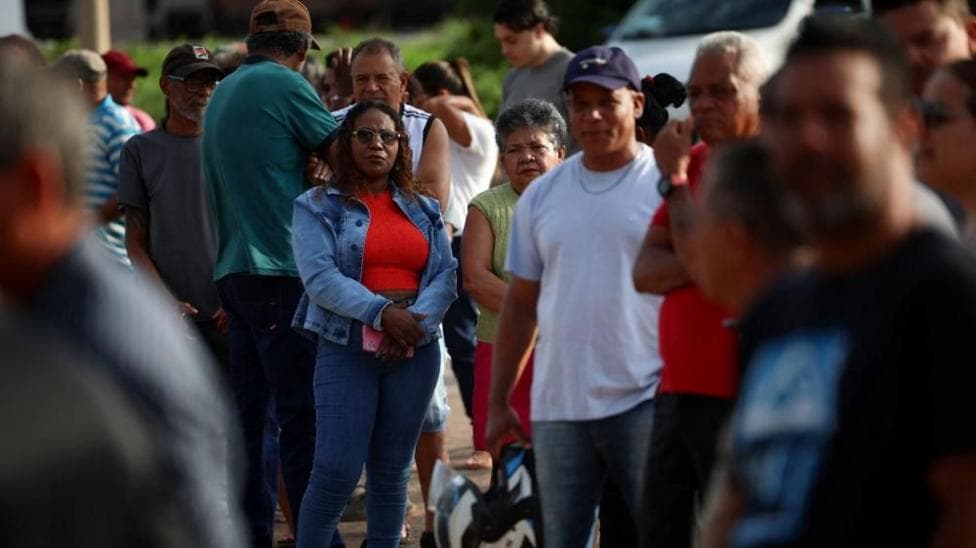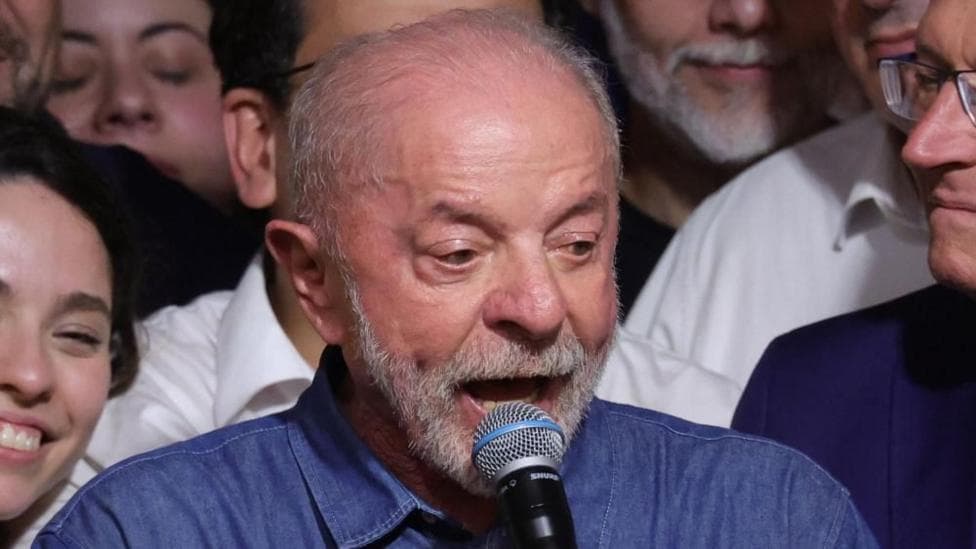
Brazil's veteran left-wing president, Luiz Inácio Lula da Silva, has secured re-election in a closely contested runoff, defeating right-wing senator Flávio Bolsonaro on 25 October. According to BBC News, Lula obtained 51.79% of the vote compared to Bolsonaro's 48.21%, according to Brazil's Superior Electoral Court. According to CNBC, Lula's margin amounted to nearly 4.4 million votes, marking the first comeback victory in Brazil's presidential elections since the return to direct elections in 1989.
Bolsonaro has declined to acknowledge the result, claiming the two-hour extension of polling hours was "inexplicable" despite his own campaign team, along with Lula's, having requested that polling stations remain open longer. He informed supporters in Brasilia that he would pursue annulment of the election. Nevertheless, Lula and his supporters have celebrated what they characterize as a "historic victory" and a remarkable reversal after his first-round defeat.
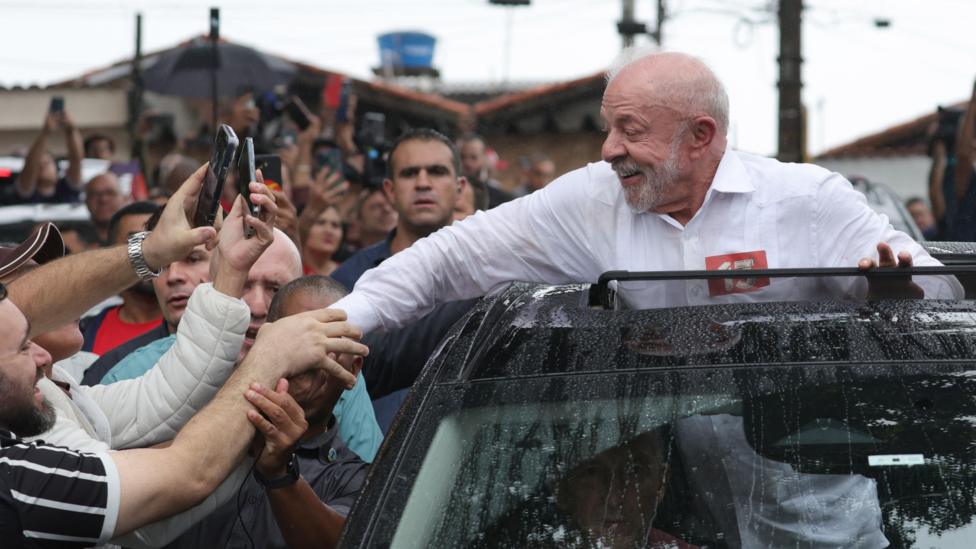
How did Lula achieve this turnaround?
Lula's campaign rebounded following his initial loss on 4 October through street demonstrations and an extensive social media campaign. The former metalworker, who has dominated Brazil's left since first running for president in 1989, managed to reverse a deficit that many observers had deemed insurmountable within three weeks. In the first round, Lula received 45.16% while Flávio Bolsonaro received 47%, yet the runoff reversed that outcome entirely.
This victory defies a broader regional trend in Latin America, where voters have punished sitting leaders and shifted rightward. Argentina, Chile and Colombia have all recently elected conservative presidents, making Brazil's choice of a left-wing incumbent unusual in the current political climate.
What political obstacles await Lula's new term?
Lula faces the most challenging political environment since first assuming office in 2003. His fourth presidential term, set to commence on 5 January 2027, will unfold amid significant domestic and international constraints. The veteran leader will govern alongside the most right-wing Congress in Brazil's democratic history, with Bolsonaro's Liberal Party (PL) making the largest gains in the legislative elections and now holding the largest congressional bench in decades.
Beyond domestic political obstacles, Lula must navigate international tensions, particularly with the United States. While US President Donald Trump did not directly endorse Flávio Bolsonaro as he did with right-wing candidates who won elections in Colombia and Honduras, the Trump administration would have clearly preferred a conservative leader in Brazil, a nation of 213 million people. The White House views Latin America as an area of American influence and seeks leaders aligned with its positions on defence, security and trade, while also aiming to curtail China's presence in the Western Hemisphere.
Brazil's strategic importance stems from its oil wealth and possession of the world's second-largest reserves of rare earth minerals. As the only major South American nation not governed by a right-wing leader, Brazil under Lula is widely perceived as China-friendly. Flávio Bolsonaro had pledged to realign Brazil more closely with Washington, while Lula had cautioned the United States against election interference and declared that Brazil would "never fit into anyone's backyard".
What are Lula's stated priorities for his new administration?
Before the election, Lula characterized the poll as "a parting of the waters for Brazil" and promised to bridge the nation's opposing political divisions through "a new way of governing". In a WhatsApp livestream before voting, he stated that "this country will never be the same again". While offering limited specifics about his governance approach, he emphasized his commitment to "remain firm in the fight for a more just country, with opportunities for all and policies directed at the needs of the population".
Lula's Workers' Party demonstrated substantial grassroots strength by organizing massive rallies before the runoff, signalling the party's capacity to mobilize supporters despite the hostile congressional environment.
What are the implications for environmental policy?
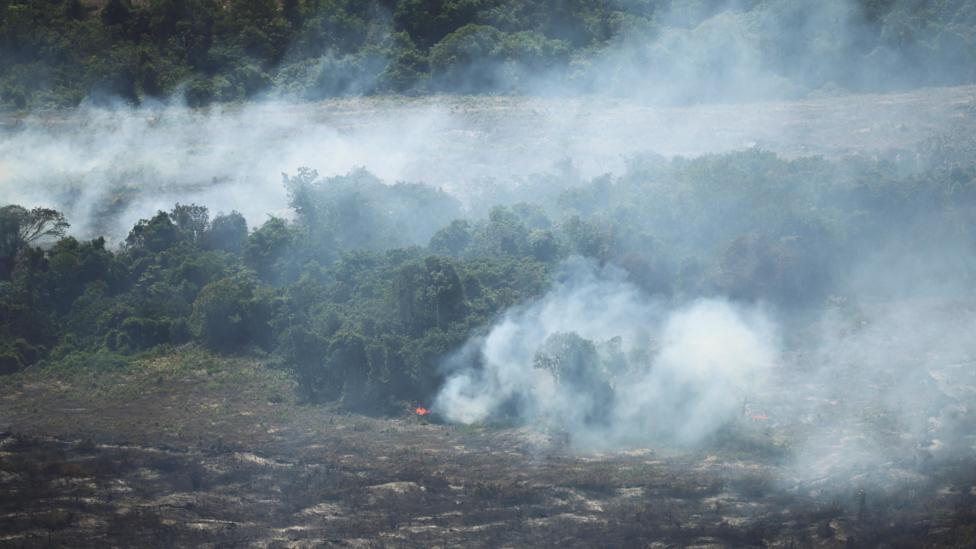
Lula's victory has relieved environmentalists who feared a Bolsonaro win would strengthen Brazil's influential agribusiness and mining sectors. During the presidency of Jair Bolsonaro, Flávio's father, the Amazon experienced record deforestation and forest fires. Environmental advocates had warned that the younger Bolsonaro's administration could implement even more permissive environmental policies, accelerating destruction in this critical ecosystem.
Lula's election outcome demonstrates that Brazil remains profoundly divided, with more than 48% of voters selecting Bolsonaro. The nation's deep polarization, combined with a hostile Congress and substantial public debt, will test the 81-year-old leader's political acumen. By the conclusion of his fourth term, Lula will be 85 years old, making the challenges ahead potentially more formidable than those he confronted in his three previous terms in office.
What happens next?
Lula's presidential term is scheduled to begin on 5 January 2027. His immediate priorities will include building legislative coalitions within a Congress dominated by his political opponents and addressing Brazil's fiscal challenges while pursuing his stated agenda of social justice and inclusive economic opportunity.