

César Gastélum is the latest influencer to be killed in Mexico's Sinaloa state. His killing, which was captured on camera while he was livestreaming in Culiacán, has raised questions about possible links between content creators and criminal cartels in this violence-wracked part of the country.
On the stream, two men on a motorbike can be seen riding up to César Gastélum, who is chatting to two friends outside a fast food restaurant in the city of Culiacán. The murder happens within seconds: the driver of the bike shoots him in the head at close range before fleeing.
While the Sinaloa state prosecutor's office provided little detail about the incident, it did say that its lines of investigations included a number of posts Gastélum had published, “some of which refer to a criminal group”.
Gastélum is not the first influencer to be murdered in Sinaloa. At least 10 content creators have been killed in the state since a deadly war broke out between two rival factions of the Sinaloa criminal cartel two years ago.
Officials say Gastélum had not received any threats from criminal groups, nor was he under investigation by police for any alleged criminal links, as had been the case with some of the influencers targeted in the past.
But according to Claudia Arruñada, a communications expert at Mexico's Iberoamerican University, the worlds of social media and the criminal underworld can sometimes become intertwined - with at times deadly consequences. “The [social media] algorithm and the narcos promote the same thing: consumption and luxury as ultimate values, to be achieved in the quickest way possible.”
“The model for success is no longer based on methodically working on your career, but rather on having a meteoric rise,” she adds.
Arruñada argues that in some cases influencers have promoted narcoculture, by showing luxurious lifestyles to their followers and linking these riches to the exploits of narcos.
Gastélum often shared pictures of himself posing with expensive cars, enjoying the nightlife and going on luxury trips, as well as comedy clips and challenges.
In one photo he posted, he could be seen at the grave of Leobardo Aispuro, better known as “El Gordo Peruci”, an influencer who was murdered in 2024.
Content creators like him have vehemently rejected being labelled as “narco-influencers”, arguing that the sheer fact of being a young public figure showing off a luxury lifestyle can make you a target in Culiacán.
Some studies suggest that the cartels - which function very much like multinational companies with various business interests - do use content creators as community managers, to promote their “brand”.
When rival factions turn on each other, those seen as spreading propaganda for one group can quickly become targets for its sworn enemies.
This is what appears to have happened in January 2025, when leaflets were dropped from an aircraft onto the streets of Culiacán.
The pamphlets accused 25 influencers and musicians of having links to “La Mayiza”, a faction of the Sinaloa cartel involved in a deadly confrontation with rivals “Los Chapitos”.
Four of those named had already been killed and were marked on the leaflet as “eliminated”. Two more have been murdered since.
Gastélum's name was not on that list but his killing is nevertheless seen as the latest in a trend seeing influencers being targeted.
Mexican President Claudia Sheinbaum said on Wednesday that local and national authorities would go after those who had murdered him - and those who had ordered it.

Her government is trying to sever the link between popular culture and the criminal underworld, denouncing narcocorridos, songs which glorify criminals, as well as tackling crime head on.
The government has deployed extra security forces to Sinaloa to quell the violence
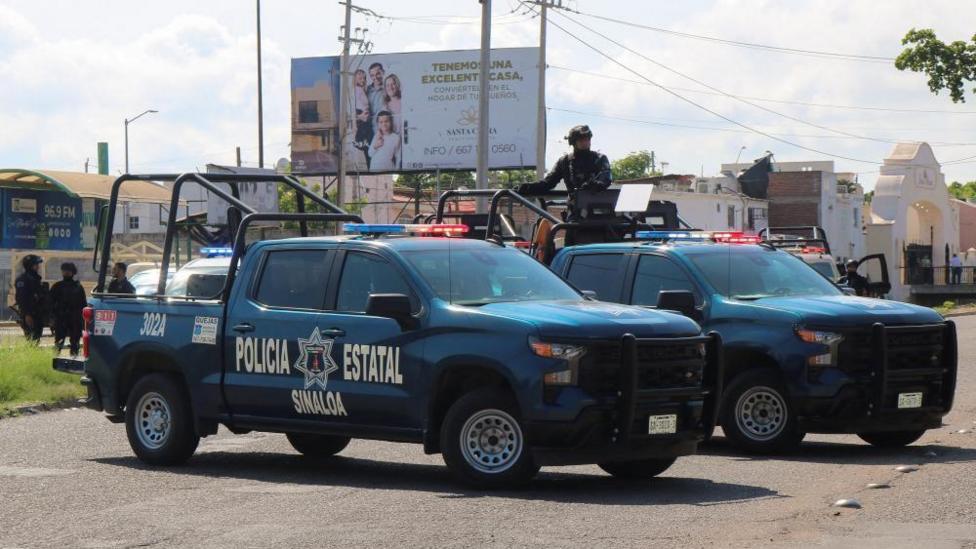
Official figures suggest the number of murders fell by 48% in 2025.
But there is little doubt that killings like that of Gastélum - witnessed by his followers who were online at the time as it unfolded - strengthen the impression that narcos continue to wield power - and death - not just on the streets of Culiacán but also on digital platforms.
Mexican influencer shot dead during livestream
Valeria Márquez: Who was Mexican influencer killed live on TikTok?
##
How are authorities responding?
Mexican President Claudia Sheinbaum said on Wednesday that local and national authorities would go after those who had murdered Gastélum and those who had ordered it. Her government is also trying to sever the link between popular culture and the criminal underworld, denouncing narcocorridos, songs which glorify criminals, while tackling crime head on.
Why are influencers being drawn into this violence?
According to Claudia Arruñada, a communications expert at Mexico's Iberoamerican University, social media and the criminal underworld can overlap, with deadly consequences. She said the social media algorithm and narcos promote the same thing: consumption and luxury as ultimate values, to be achieved in the quickest way possible.
“The [social media] algorithm and the narcos promote the same thing: consumption and luxury as ultimate values, to be achieved in the quickest way possible.”
“The model for success is no longer based on methodically working on your career, but rather on having a meteoric rise,”
What role do luxury images play?
Arruñada argues that some influencers have promoted narcoculture by showing luxurious lifestyles to their followers and linking these riches to the exploits of narcos. Gastélum often shared pictures of himself posing with expensive cars, enjoying the nightlife and going on luxury trips, as well as comedy clips and challenges.
In one photo he posted, he could be seen at the grave of Leobardo Aispuro, better known as “El Gordo Peruci”, an influencer who was murdered in 2024.
Content creators like him have vehemently rejected being labelled as “narco-influencers”, arguing that the sheer fact of being a young public figure showing off a luxury lifestyle can make you a target in Culiacán.
How have cartels used online creators?
Some studies suggest that the cartels, which function very much like multinational companies with various business interests, do use content creators as community managers to promote their “brand”. When rival factions turn on each other, those seen as spreading propaganda for one group can quickly become targets for its sworn enemies.
This appears to have happened in January 2025, when leaflets were dropped from an aircraft onto the streets of Culiacán. The pamphlets accused 25 influencers and musicians of having links to “La Mayiza”, a faction of the Sinaloa cartel involved in a deadly confrontation with rivals “Los Chapitos”.
Four of those named had already been killed and were marked on the leaflet as “eliminated”. Two more have been murdered since.
Gastélum's name was not on that list, but his killing is nevertheless seen as the latest in a trend of influencers being targeted.
What does the killing signal for Sinaloa?
Gastélum's death, witnessed by followers who were online as it unfolded, strengthens the impression that narcos continue to wield power - and death - not just on the streets of Culiacán but also on digital platforms.
Official figures suggest the number of murders fell by 48% in 2025, but the killings continue to highlight the reach of criminal groups in Sinaloa. At least 10 content creators have been killed in the state since a deadly war broke out between two rival factions of the Sinaloa criminal cartel two years ago.
Key Facts
- César Gastélum was shot dead in Culiacán, Sinaloa, while livestreaming.
- The Sinaloa state prosecutor's office said its investigations included posts he published, “some of which refer to a criminal group”.
- At least 10 content creators have been killed in Sinaloa since the cartel split escalated two years ago.
- In January 2025, leaflets named 25 influencers and musicians alleged to have links to “La Mayiza”.
- Official figures suggest murders fell by 48% in 2025.


