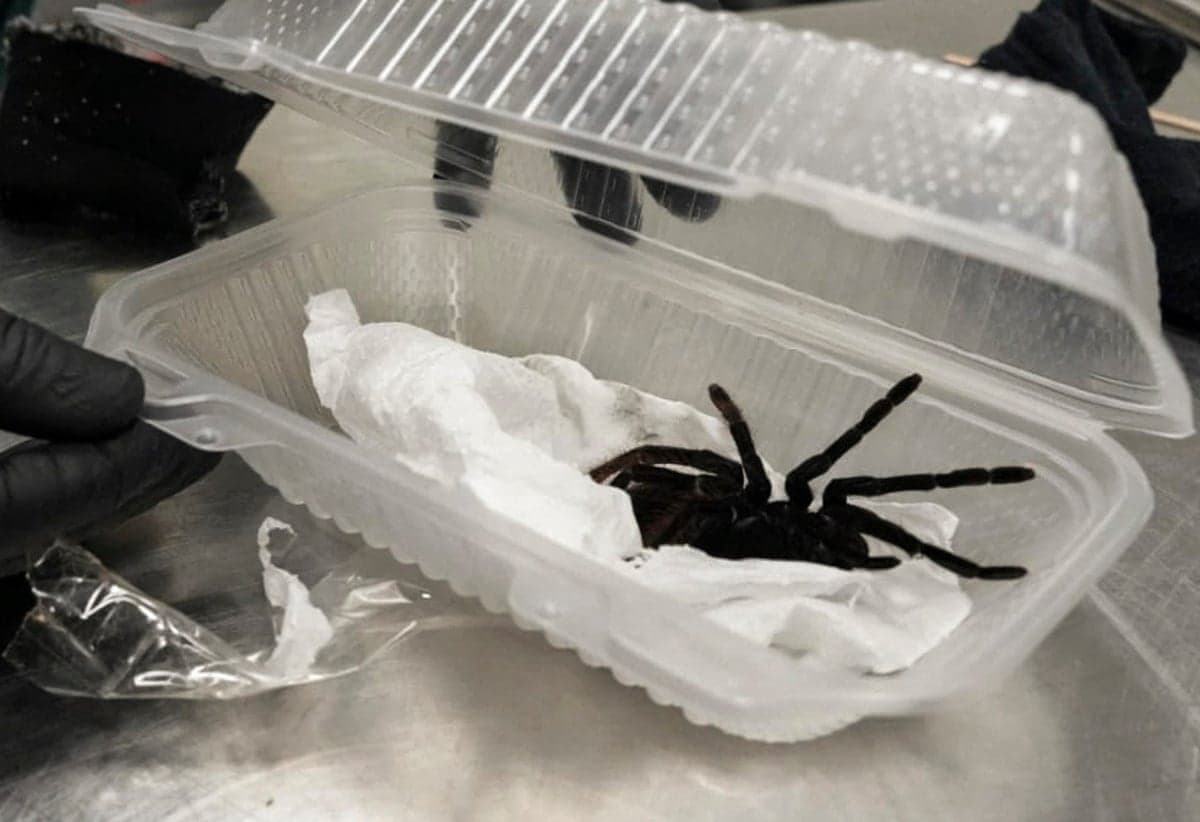
Peruvian airport officials have intercepted more than 3,000 tarantulas concealed in dirty socks at Jorge Chávez international airport in Lima, authorities announced on Thursday. The spiders were destined for Germany, where they could have generated approximately €1.5m on the illegal wildlife market. Two German nationals and one Polish citizen were detained in connection with the smuggling operation.
According to The Guardian, the National Forestry and Wildlife Service (SERFOR) discovered the contraband during a routine customs inspection. The arachnids were distributed across three suitcases, packed inside soiled socks to evade detection.
Customs agents identified the illicit cargo when they observed movement within the luggage during their examination. "We noticed that some of them were moving. There were small ones and large ones," explained Cora Suarez, a SERFOR wildlife control technician, describing the moment of discovery.
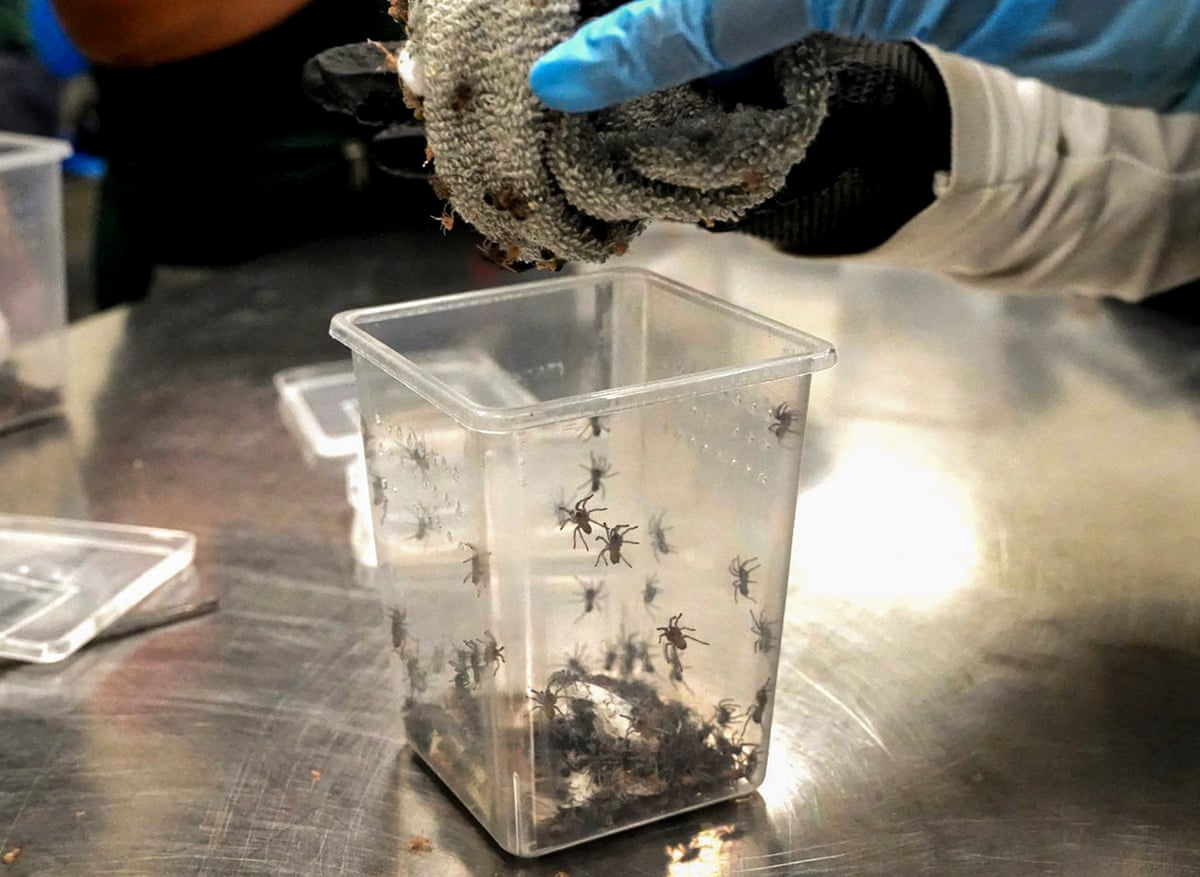
The seized specimens originated from multiple regions throughout Peru and represented various life stages. The collection included eggs, newly hatched juveniles, and fully mature tarantulas, according to Suarez's assessment.
What is the market value of these spiders?
Individual tarantulas command substantial prices in European markets, with each specimen typically selling for approximately €500 ($560). This pricing structure meant the entire shipment represented a potential haul worth €1.5m for a single trafficking operation, illustrating the financial incentives driving such criminal activity.
What happens to the suspects?
The three individuals accused of orchestrating the smuggling scheme have been taken into custody by police units specialising in environmental crimes. They will now face criminal proceedings under Peruvian law for their involvement in the illegal wildlife trafficking operation.
How widespread is wildlife trafficking?
Illegal wildlife trafficking constitutes one of the world's most profitable criminal enterprises. According to Interpol, the global wildlife trafficking market generates approximately $20bn annually, making it a significant driver of organised crime. Beyond its criminal dimensions, such trafficking represents a primary threat to biodiversity loss worldwide, undermining conservation efforts across multiple ecosystems and species.
This seizure reflects broader patterns of airport interdictions targeting endangered species. Similar operations have targeted other wildlife in recent months, including endangered parrot eggs intercepted at Johannesburg airport in August 2026, demonstrating the persistent challenge posed by international wildlife trafficking networks.
Key Facts
- More than 3,000 tarantulas were hidden inside dirty socks within three suitcases at Lima's Jorge Chávez international airport
- The spiders were destined for Germany, where they could have sold for an estimated €1.5m on the illegal market
- Individual tarantulas typically fetch €500 ($560) each in European markets
- The seized specimens originated from various Peruvian regions and included eggs, hatchlings, and adult tarantulas
- Global wildlife trafficking generates approximately $20bn annually and remains a primary cause of biodiversity loss