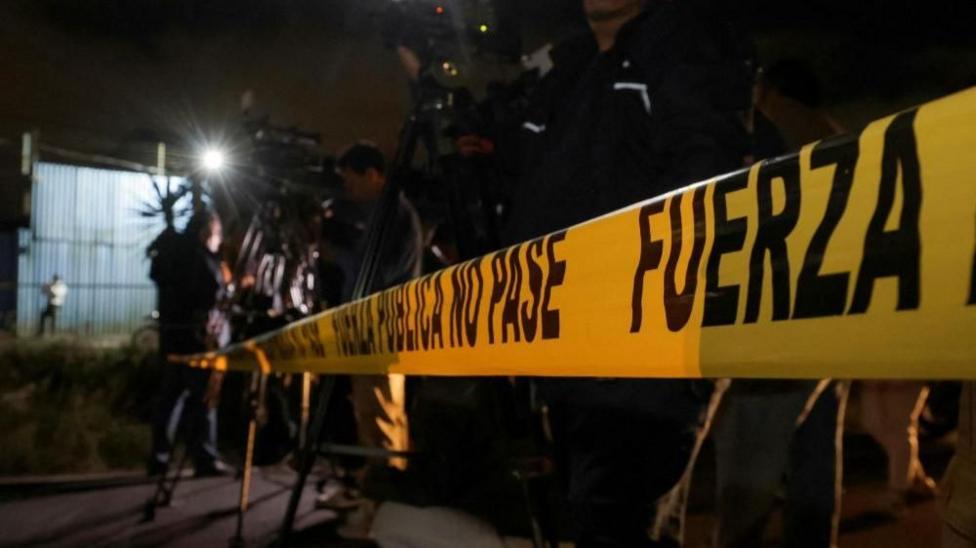
A Costa Rican journalist who had exposed alleged connections between politicians and drug traffickers has been killed in a shooting attack. According to BBC News, gunmen on a motorbike ambushed Camilo Rodríguez, 50, as he drove north of the capital, San José, on Monday afternoon. The independent reporter had previously disclosed that he was receiving death threats from drug trafficking organisations.
Local media reported this as the first murder of a journalist in more than two decades in Costa Rica. The killing takes place amid a period when transnational crime syndicates are expanding their operations in the country, contributing to a rise in its historically low homicide rate.
Yanancy Noguera, president of the Costa Rican Journalists' Association, characterised the attack as deliberate suppression of dissent.
"All evidence so far points to the silencing of a dissenting voice in Costa Rica - a person who published information about organised crime in the country,"she stated.
Rodríguez had spent several decades working as a journalist across radio and print media. In recent months, he had been publishing videos on social media platforms in which he identified public figures including judges, business executives and politicians, claiming they were either corrupt or maintained ties to known drug traffickers.
In one video, Rodríguez alleged that the residence of Costa Rica's President, Laura Fernández, had been built by a company he claimed had connections to a criminal organisation. Fernández categorically rejected the allegation and pursued legal action against the journalist, filing a defamation suit.
Following the murder, Fernández released a video statement condemning the attack as
"a stain on freedom of expression"and announced she had directed police to
"punish Camilo's murderers."
Rodríguez had also attempted to enter electoral politics, seeking nomination as the presidential candidate for the Costa Rican Renovation Party in 2021. The electoral authorities rejected his candidacy after determining the party had not satisfied the procedural requirements for filing candidates.
What do authorities say about the investigation?
Costa Rica's Attorney General, Carlo Díaz, emphasised the gravity of the killing.
"Silencing someone who reports on drug trafficking or corruption, in this case a communicator, is a signal we cannot tolerate in a democratic society,"he said. According to Agence France-Presse, Díaz revealed that Rodríguez had declined to enter a witness-protection program despite reporting threats to authorities.
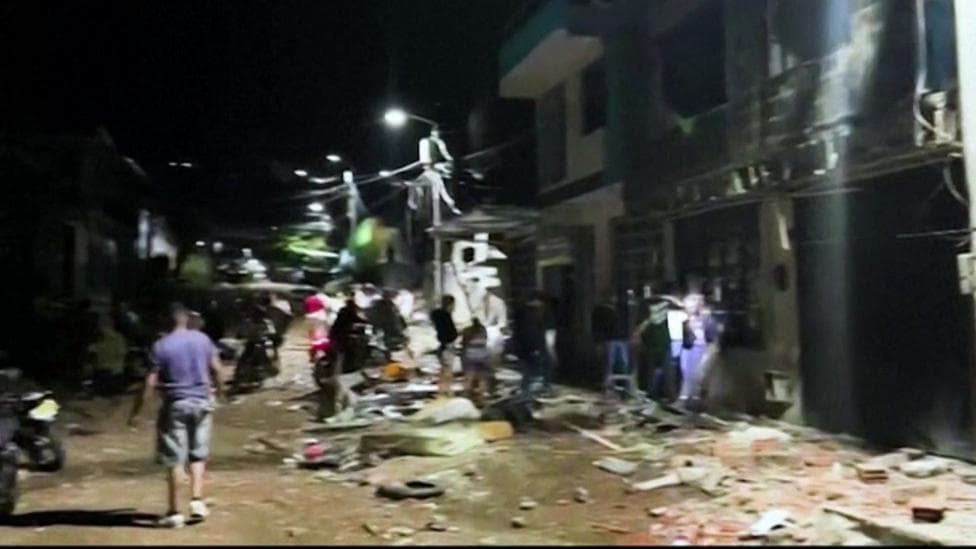
The Judicial Investigation Agency has begun examining security-camera footage from the area to identify the attackers' escape route, according to Europa Press. Investigators collected between nine and ten shell casings at the scene outside Rodríguez's vehicle. The Red Cross reported that emergency responders arrived approximately five minutes after receiving the alert and discovered Rodríguez dead inside his car.
Press-freedom organisations including IPLEX and the Central American Journalists' Network have called for a swift and comprehensive investigation to determine whether the killing was motivated by Rodríguez's journalistic work.
What is the broader context?
The killing occurred less than 50 metres from the location where radio journalist Parmenio Medina was murdered in 2001, highlighting a troubling pattern of violence against media workers in the country. Costa Rica has historically maintained lower crime rates than neighbouring nations in the region, but the expansion of transnational criminal networks has begun to alter that security landscape.
What happens next?
Prosecutors and the Judicial Investigation Agency have stated they will investigate both the perpetrators of the shooting and anyone who may have ordered the attack. As of the latest reports, no arrests had been announced in connection with the killing.