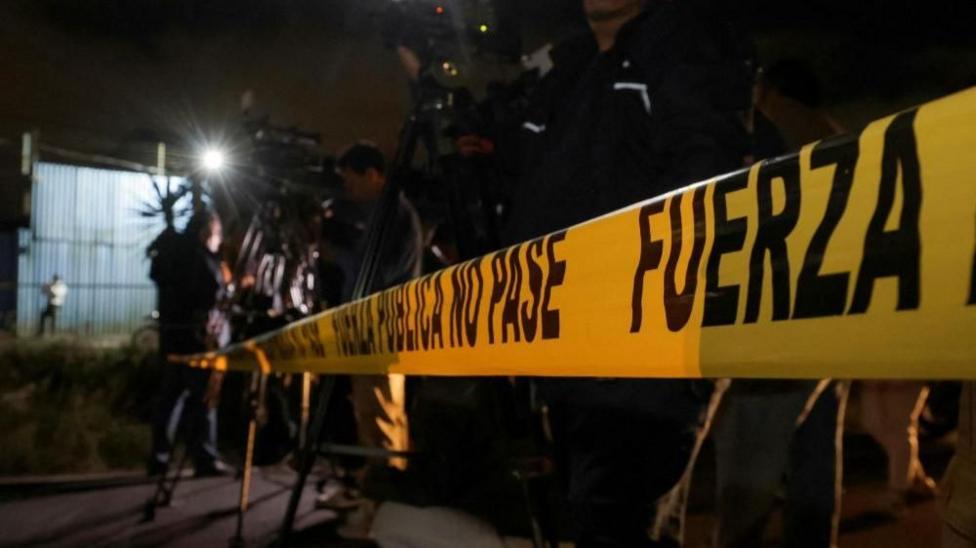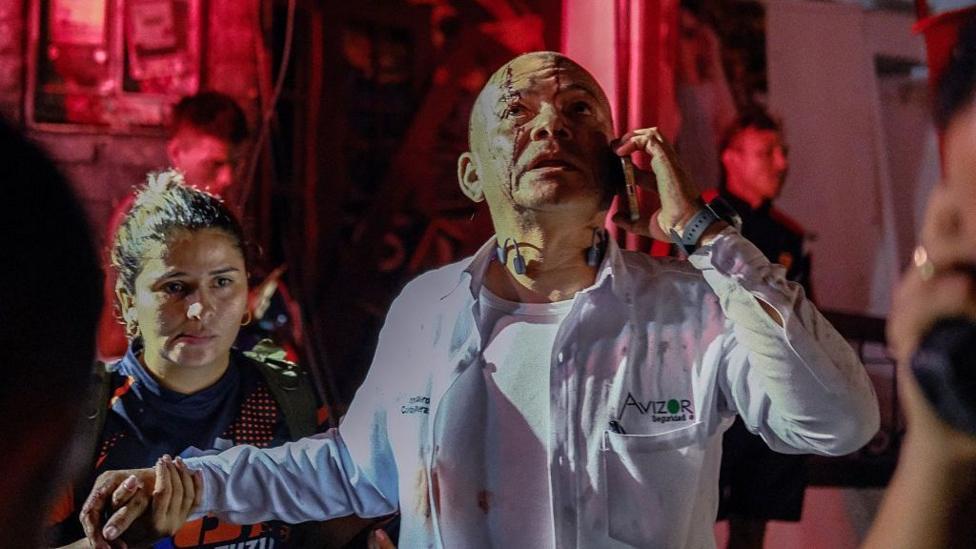
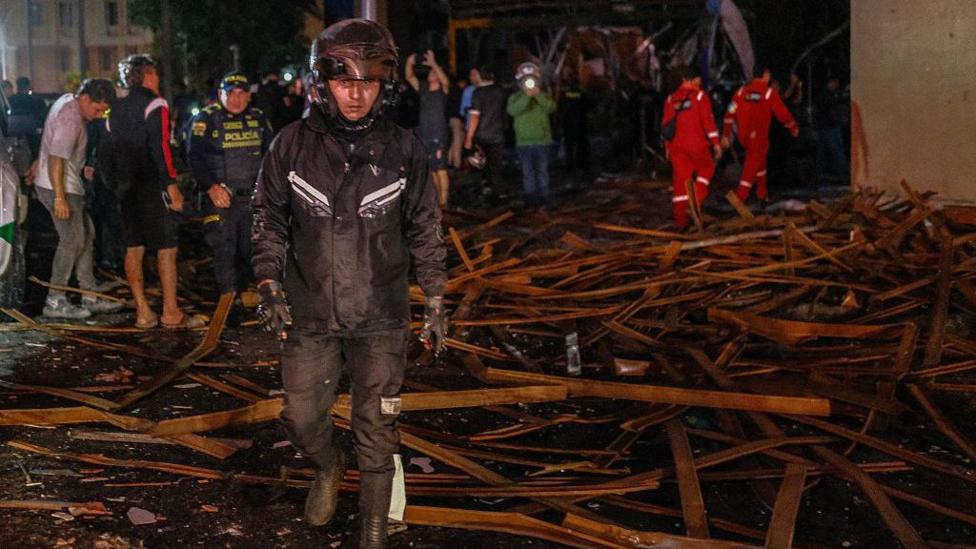
A car bomb detonated outside the regional government headquarters in Villavicencio, a central Colombian city, on Monday evening, leaving at least 23 people injured. According to BBC News, the explosive device damaged multiple buildings in the city centre and marked the latest in an escalating series of attacks on official installations and security force facilities across the country.
No organisation has claimed responsibility for the bombing. President Abelardo de la Espriella attributed the attack to "narcoterrorism" without providing specifics, and pledged that his administration would respond "bluntly and forcefully" to what he described as violence against Colombian citizens. "There will be no impunity and no retreat," he stated on social media.
The timing of the explosion—occurring on the eve of the 10th anniversary of Colombia's landmark peace agreement with the Revolutionary Armed Forces of Colombia (Farc)—underscores the persistent security challenges facing the nation. The 2016 accord saw thousands of left-wing rebel fighters surrender their weapons, yet a substantial faction of Farc dissidents rejected the deal and joined criminal organisations instead.
Who was injured in the attack?
According to Anadolu Agency, five security guards stationed at the government headquarters were among those wounded, and no fatalities had been recorded by Tuesday morning. The Meta Department Health Secretariat documented 23 injured individuals, including a minor, with reported injuries ranging from open fractures and lung contusions to hearing damage and shrapnel wounds.
What is driving the recent violence?
Armed criminal groups have intensified attacks in what appears to be retaliation for De la Espriella's military offensive against them. Three weeks prior to the Villavicencio bombing, a car bomb near army barracks in Tolima province killed three adults and a baby. Earlier on Monday, drones dropped explosives on the police headquarters in the northern city of Cúcuta.
The surge in violence stems from competition among dissident Farc factions and criminal organisations fighting for control of drug trafficking operations, illegal mining, and extortion networks. De la Espriella, who took office in August 2026, campaigned on a hardline "narcoterrorism" platform and has been openly critical of his predecessor's approach to armed groups.
His predecessor, Colombia's first left-wing president who served from August 2022 to August 2026, pursued what he termed a "total peace" strategy involving negotiations with armed groups. However, those talks collapsed after several criminal organisations violated agreed ceasefires.
What is De la Espriella's position on the peace deal?
De la Espriella has been scathing about the 2016 peace agreement, calling it a "false peace." In a post on X uploaded shortly before news of the Villavicencio bombing emerged, he referred to the accord as a "mess," describing it as a "waste of public resources" and the "cause behind Colombia's ruin."
However, former President Juan Manuel Santos and Rodrigo Londoño—the two signatories of the peace deal representing the Colombian government and the Farc respectively—defended the agreement in an interview with BBC Mundo ahead of the anniversary. Santos said that De la Espriella was "totally wrong" to characterise it as a "false peace."
He wants to use, or has bought into that cynical and mistaken theory that the violence we see today is the result of the peace deal, when the exact opposite is the case.
Santos argued instead that the problem lies with inadequate implementation of the agreement's provisions.
What is the government's response?
Meta Governor Rafaela Cortes announced she was coordinating emergency and security measures with the army and police, according to Anadolu Agency. Police indicated they would deploy investigative and intelligence resources to identify those responsible for the attack.
Investigators were reportedly examining whether the bombing was connected to a military airstrike in Mapiripán on November 21 that killed five dissident fighters, according to The Insight International, though authorities had not confirmed a link or named a suspect.
What happens next?
Villavicencio Mayor Alexander Baquero stated that President De la Espriella would visit the city on November 24, though no date had been confirmed for police to present their investigative findings.
The attack reflects the broader deterioration in security since the 2016 peace accord. While forced displacement, child recruitment, and attacks on security forces initially declined following the agreement, recent years have witnessed a resurgence driven by dissident Farc factions and criminal groups competing for control of illicit economies across Colombian territory.