Eighteen individuals accused of involvement in the assassination of Haitian president Jovenel Moïse have been transported to the United States to stand trial in federal court. The suspects arrived in Miami on 22 September 2026 after being flown from Haiti aboard a military aircraft, marking a significant escalation in the international prosecution of those implicated in the July 2021 killing.
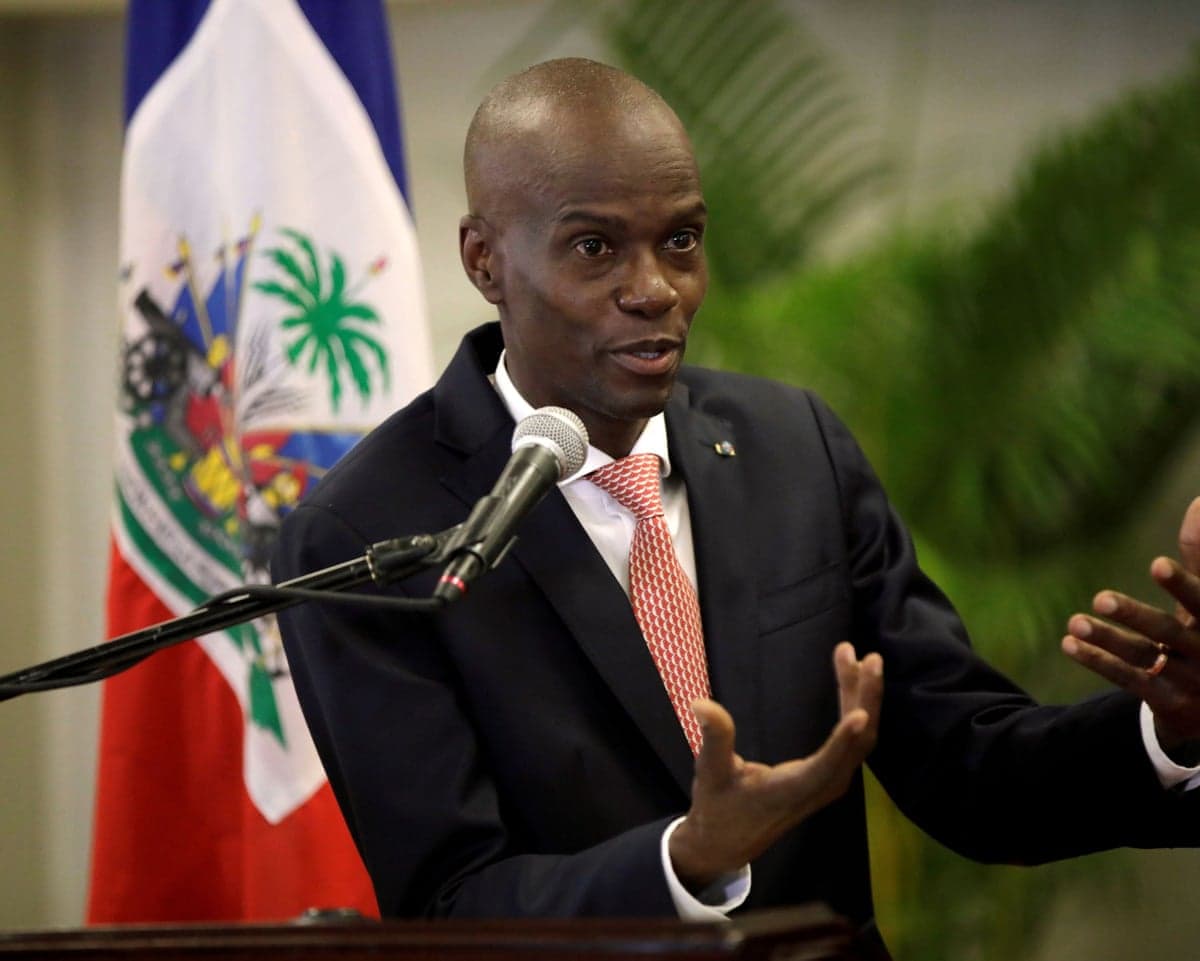
Moïse, aged 53, was fatally shot on 7 July 2021 at his private residence by approximately 20 military-trained Colombian mercenaries who were hired to carry out the attack. His security personnel failed to mount any defence during the assault. The killing plunged Haiti into deeper instability and has remained a focal point of criminal investigations spanning multiple jurisdictions.
Who are the defendants?
According to reporting from the region, the 18 defendants include 17 Colombian nationals, with one former Haitian government official among those transferred. The group had previously been held in Haiti awaiting trial through the country's judicial system. The extradition effectively concluded that lengthy Haitian legal process, shifting the case entirely to American courts.
What charges do they face?
The defendants have been charged with conspiracy to commit murder or kidnapping outside the United States and providing material support resulting in death, according to court filings in Miami. If convicted, they face sentences of up to life in prison. Federal prosecutors have characterised the case as involving planning and execution linked to South Florida, describing the region as a staging ground for a deadly foreign plot.
How many people have been charged overall?
The 18 newly arrived defendants are part of a much larger investigation. A total of 30 individuals have now been indicted in the United States in connection with the assassination, according to federal prosecutors. This represents the cumulative result of five years of investigation and prosecution efforts.
In May 2026, four men were convicted in federal court in Miami on charges including conspiracy to kill or kidnap Moïse, conspiracy to provide material support, and violating the US Neutrality Act to engage in an illicit military operation abroad. All four were connected to CTU, a private security firm based in Florida, and had been drawn into the plot by promises of lucrative security contracts should Moïse be removed from power.

Five individuals have already been sentenced to life in prison in earlier proceedings. These include a former Colombian soldier, a former Haitian senator, a Haitian Chilean businessman, a retired Colombian soldier, and a Haitian American. Eleven people in total had been indicted in US courts prior to the arrival of the 18 new defendants.
Why does the US have jurisdiction?
American courts have authority over the case because the plot was hatched on US soil, with Florida serving as the operational base for planning and coordination. FBI special agent Brett Skiles stated that
today's multi-location and international arrests underscore the FBI's continued commitment to bringing all participants in this plot to justice. Federal prosecutor Jason Reding Quinones added that
18 transported in military plane from Haiti to face American justice in the southern district of Florida, and emphasised that
five years later, we are still bringing defendants before American courts, and we are not finished.
What is the current situation in Haiti?
Haiti has experienced worsening instability since Moïse's assassination. The country currently has no president and remains under severe strain from gang violence. Criminal organisations now control approximately 80 percent of Port-au-Prince, the capital, with kidnappings for ransom, armed robbery, and carjackings occurring regularly throughout the impoverished nation.
A UN-backed armed force established to assist local police in combating gangs has struggled to reach its intended capacity. The Gang Suppression Force, announced by the UN Security Council in the previous year, was projected to expand between April and October to a planned strength of 5,500 uniformed personnel and 50 civilian staff members. As of July 2026, however, the force comprised fewer than 1,000 personnel drawn from Chad, Mongolia, Jamaica, Guatemala, El Salvador, and Sri Lanka. More recent figures have not been made public.
What happens next?
The 18 defendants are expected to continue federal proceedings in Miami, with trials anticipated to unfold over the coming months. Convictions would likely result in lengthy prison sentences, potentially life terms for those found guilty of the most serious charges.
Haiti is scheduled to hold its first presidential and legislative election since 2016 on 13 December 2026, contingent on security conditions permitting the vote to proceed. A second round of voting, if necessary, is set for 21 February 2027. The election will also include a referendum on the constitution. Gang violence and ongoing instability present significant obstacles to conducting these elections as planned.