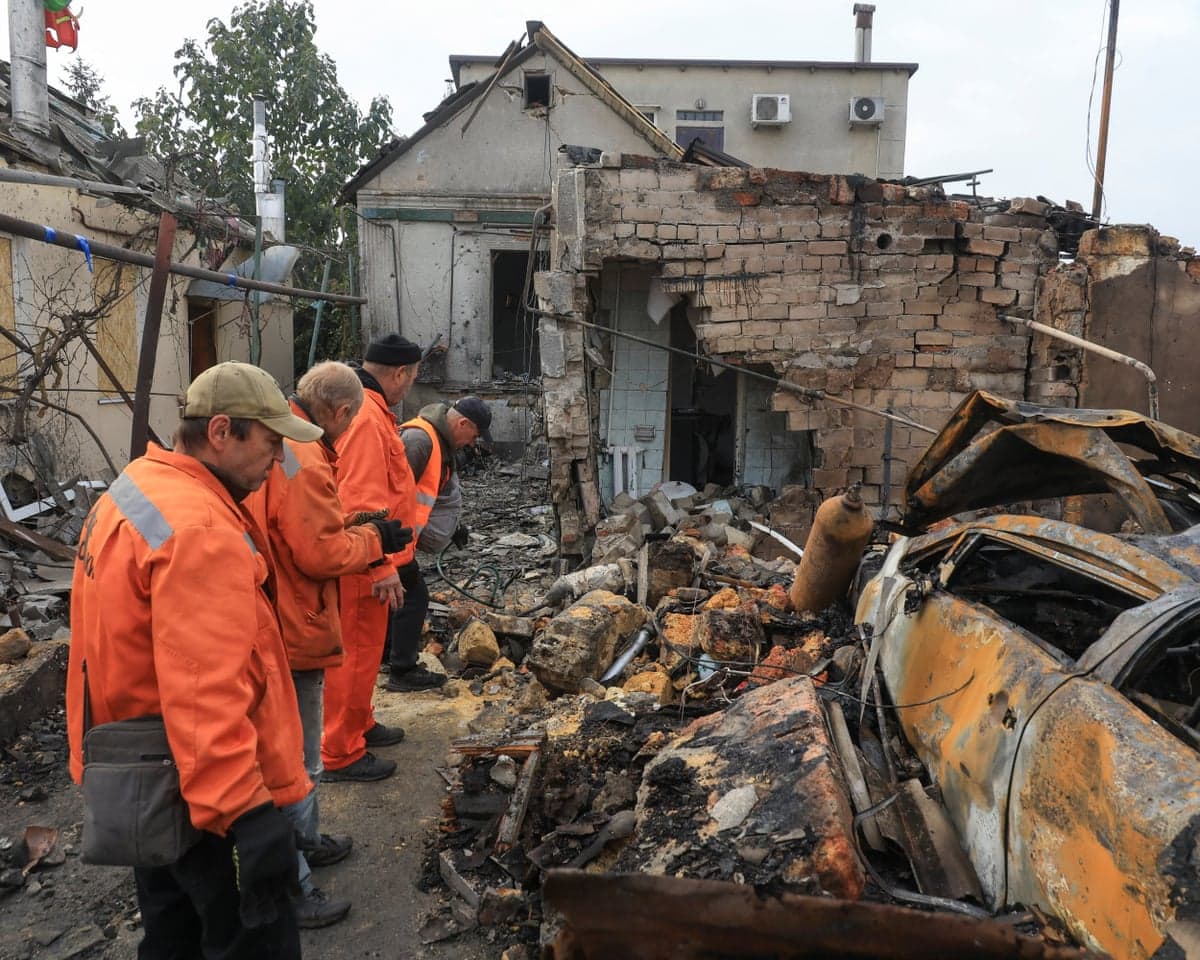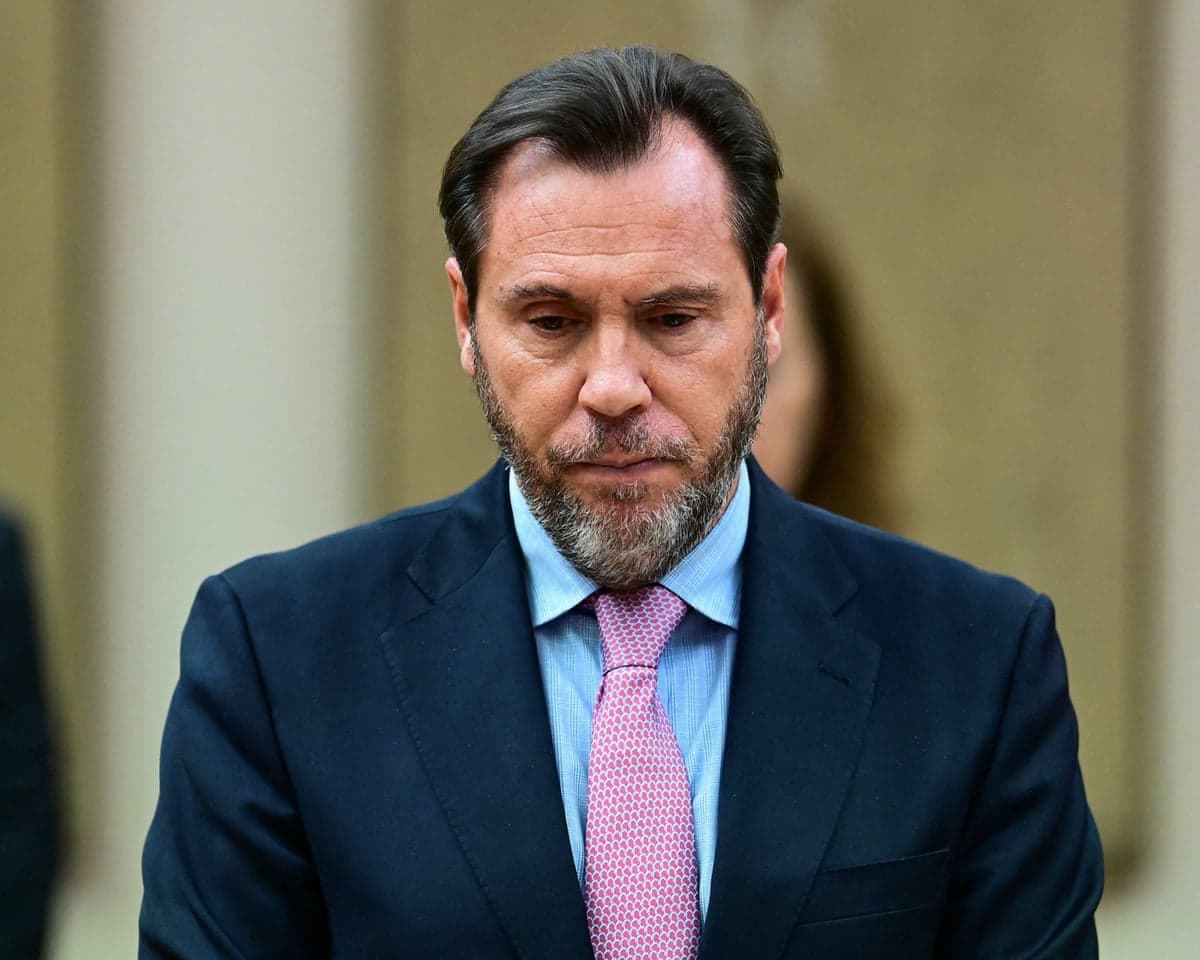
Spain's transport minister stepped down on Tuesday following a catastrophic train collision that claimed 69 lives, marking one of Europe's worst railway disasters this century. Óscar Puente announced his resignation during a parliamentary hearing and simultaneously withdrew his candidacy from the country's general election scheduled for 29 November. According to The Guardian, the minister had previously committed to working "tirelessly" to restore public confidence in Spain's high-speed rail network, the world's second-largest.
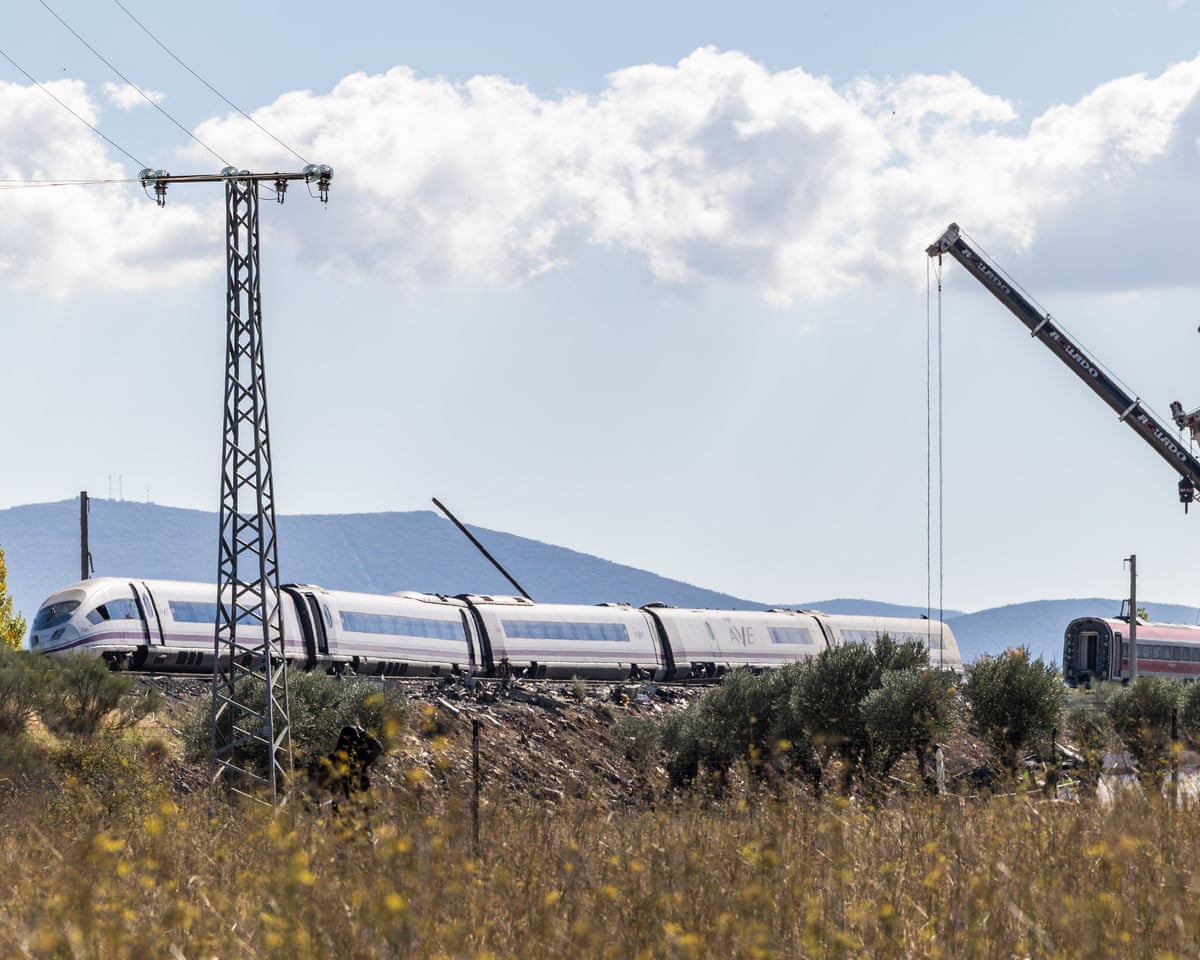
The crash occurred when a Renfe train, operated by the state-owned company, struck a stationary Iryo train outside the village of Urda, approximately 80 miles south of Madrid, on Wednesday. An automatic safety system failure halted all trains across a 39-mile section of track, yet a control centre authorised the Renfe service to continue regardless. Reuters reported that investigators estimated the trains collided at speeds between 160 and 200 km/h, though unions cautioned against attributing the disaster to human error before the investigation concludes.
During his parliamentary address, Puente stated:
I wish to inform you that I am not only stepping down from my position as minister of transport, but that I am also withdrawing my name from the lists for the early election on 29 November.He also reflected on the pattern of accidents, saying:
A transport minister in a country like Spain cannot remain in office after two accidents of this seriousness in less than a year.Earlier that day, at a press conference where he unveiled safety improvements, he had declared the government would
work tirelessly to achieve and regain the public's trust in high-speed rail.
The resignation comes amid intense political pressure. The right-wing opposition had demanded Puente's removal, and labour unions criticised him for appearing to assign sole responsibility to a single control centre operator. Bloomberg reported that Puente said he was resigning after two severe train accidents in less than a year, regardless of whether he bore direct responsibility. The disaster has overshadowed campaigning for the election, in which Socialist prime minister Pedro Sánchez is trailing in opinion polls. BBC News confirmed that Puente made his resignation announcement in Congress six days after the collision.
What safety measures are being introduced?
The government announced several initiatives to prevent future accidents. Puente unveiled software for control centres designed to issue automatic alerts and identify anomalies in traffic patterns. He described the creation of an artificial intelligence agent to oversee the system and
minimise the possibility of human erroras unprecedented. In situations where a control centre operator made a decision while the automatic safety system was disabled, a second operator would now be required to confirm it.
The minister also committed to reforming working conditions for control centre operators, including adjustments to break schedules and implementation of fatigue monitoring. These concessions addressed longstanding complaints from Semaf, the train drivers' union, which has scheduled strikes at Renfe for 10 and 12 November and has denounced deteriorating working conditions and reliance on
degraded systems.
What compensation is being offered to victims?
Puente announced a €30 million aid package for families of those killed and injured in the crash. Beyond this immediate relief, Reuters reported that the government was preparing an emergency assistance programme that would double compulsory passenger-insurance payouts, advance compensation payments, and expand temporary incapacity coverage for survivors.
Why has the rail network faced such criticism?
Industry observers have pointed to a mismatch between infrastructure investment and operational demands. Since Spain liberalised its rail network in 2021, allowing private operators to challenge Renfe's decades-long monopoly, passenger numbers have grown significantly. However, critics argue that maintenance investment has not kept pace with this expansion, creating safety vulnerabilities.
This latest disaster represents the second major collision on the Madrid-Seville line in less than a year. A January crash on the same route killed 46 people, highlighting systemic issues on Spain's first high-speed railway, which opened in 1992. The recurring nature of these accidents has intensified scrutiny of regulatory oversight and resource allocation within the rail sector.
What happens next?
The government was scheduled to approve the victim-aid package on Tuesday, 3 November. Puente did not specify a departure date from his ministerial position, leaving uncertainty about the transition timeline. The transport portfolio will require new leadership as Spain navigates both the immediate aftermath of the crash and longer-term reforms to its rail infrastructure and safety protocols.