Home Secretary Shabana Mahmood has defended her revised immigration settlement rules in a series of broadcast interviews, acknowledging that her latest proposals represent a significant retreat from plans announced in November 2025. According to The Guardian's live political coverage, Mahmood conceded that her modifications will result in substantially lower savings to the Department of Work and Pensions than her original scheme would have delivered. Meanwhile, Labour figures have moved to clarify their positions on Brexit and the European Union, with Andy Burnham insisting he has made no formal proposals to restore freedom of movement.
This story was first reported by The Guardian.
In her Today programme interview broadcast on 3 November 2026 at 8.10am, Mahmood outlined the scale of her revised approach to indefinite leave to remain (ILR) eligibility.
As a result of these changes, roughly half a million people who were going to settle at five years are not now going to settle. So on any measure, these are still very significant changes.The revised rules represent a notable softening of her November 2025 announcement, which prompted considerable backlash from Labour backbenchers concerned about the impact on social care workers and other sectors reliant on migrant labour.
Why did Mahmood change her original plans?
Mahmood's modifications stem from sustained pressure within the Labour party over the treatment of care workers and other vulnerable migrant groups. Her earlier decision to exempt social care workers from extended waiting periods reflected growing concern that the original proposal would have created severe staffing shortages in the health and social care sector. The revised rules now allow care workers who arrived before May 2025 and earn at least £25,000 annually to qualify for settlement after five years, according to BBC News.
When BBC journalist Iain Watson pressed Mahmood on the financial implications of her retreat, she declined to provide a specific figure but acknowledged the trade-off.
Look, I'm not going to just give you a number. It will be laid out properly in an impact assessment. But we do already know that the changes that I have announced today, including the changes for the cohort that will now not get settlement at five years, including care workers not working in care who are most likely to fall upon the state once they got settlement, they will now be waiting longer, and that does represent billions in savings to the DWP.Watson had suggested the concessions would cost approximately £7.5 billion in forgone savings compared with the original plan, which Mahmood did not dispute.
What are the new settlement rules?
Under the revised framework, the standard settlement route remains 10 years, with applicants generally required to have earned at least £12,571 for five of the preceding seven years, while some groups qualify sooner and others face waits of 20 or 30 years. The Home Office's revised projections indicate that 1.9 million foreign nationals are now on course to qualify for indefinite leave to remain by 2030, an increase from the 1.6 million projected under the earlier estimate, with approximately 300,000 care workers spared the longer waiting period.
Mahmood stressed that her approach still represents a substantial tightening of settlement rules compared with the pre-2025 system. She refused to be drawn on whether she had been directed to modify her plans by senior figures within government, though her interviews suggested some tension between her position and that of other senior Labour figures on European policy.
What is Burnham's position on freedom of movement?
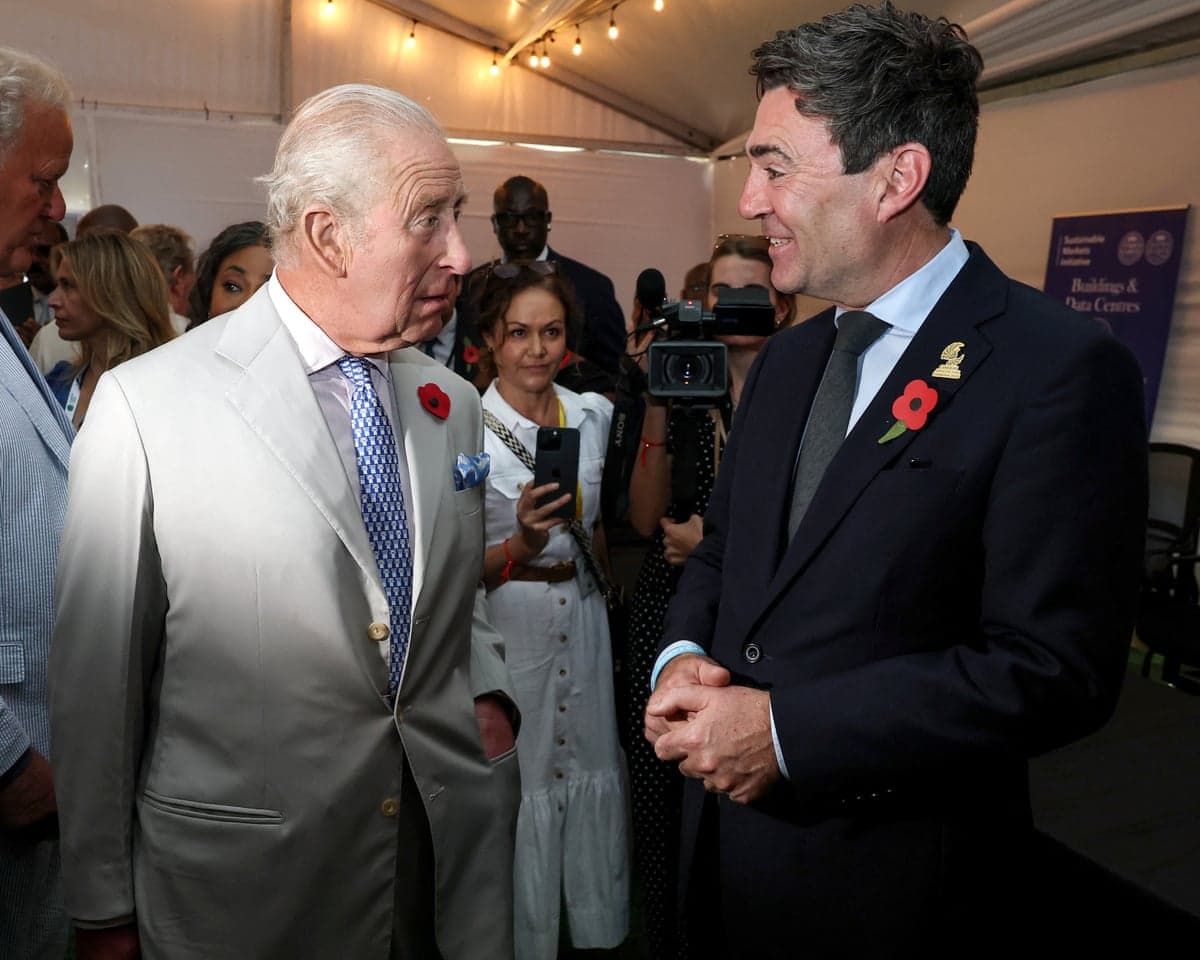
In an interview recorded for an ITV documentary broadcast on 3 November 2026, Andy Burnham addressed speculation about his views on restoring freedom of movement with the European Union.
I have not proposed freedom of movement coming back. I do believe that we should have an honest discussion with people about how immigration has changed since the Brexit vote because the shorter-term migration of people coming from Europe and then going back has been replaced with long-term settlement in bigger numbers, and that was the Boris wave. I think public opinion has changed nationally. But I want to be really clear on this issue. I will not run ahead of public opinion. The public need to be the boss when it comes to whatever happens with Brexit.
Burnham's language suggested he was opening a debate on Britain's future relationship with the EU rather than announcing concrete proposals. However, his framing implied that a case could be made for fighting the next election on a pledge to rejoin the single market, which would necessarily involve accepting freedom of movement rules. Burnham has previously stated that he would like the UK to rejoin the EU within his lifetime, a position that would also entail embracing freedom of movement.
How do other Labour figures view Burnham's EU comments?
Mahmood appeared to have received limited advance notice of Burnham's decision to open this debate. When asked about freedom of movement on the Today programme, she declined to state her personal view on whether the UK should rejoin the freedom of movement system. Her response suggested alignment with other senior Labour figures, including Chancellor John Healey and Shadow Secretary of State for Business Jonathan Reynolds, who have not fully endorsed Burnham's pro-EU aspirations. Mahmood emphasised that Labour remained
absolutely bound by the terms of our manifesto, which ruled out single market membership before the next election.
What did Kemi Badenoch say about the EU food deal?
Conservative leader Kemi Badenoch delivered a speech on defence at a rally in London on 3 November 2026, during which she criticised the government's approach to trade negotiations with the European Union. When asked whether she supported the deal with the EU to end checks on food exports, Badenoch initially said she did not know the details of the arrangement.
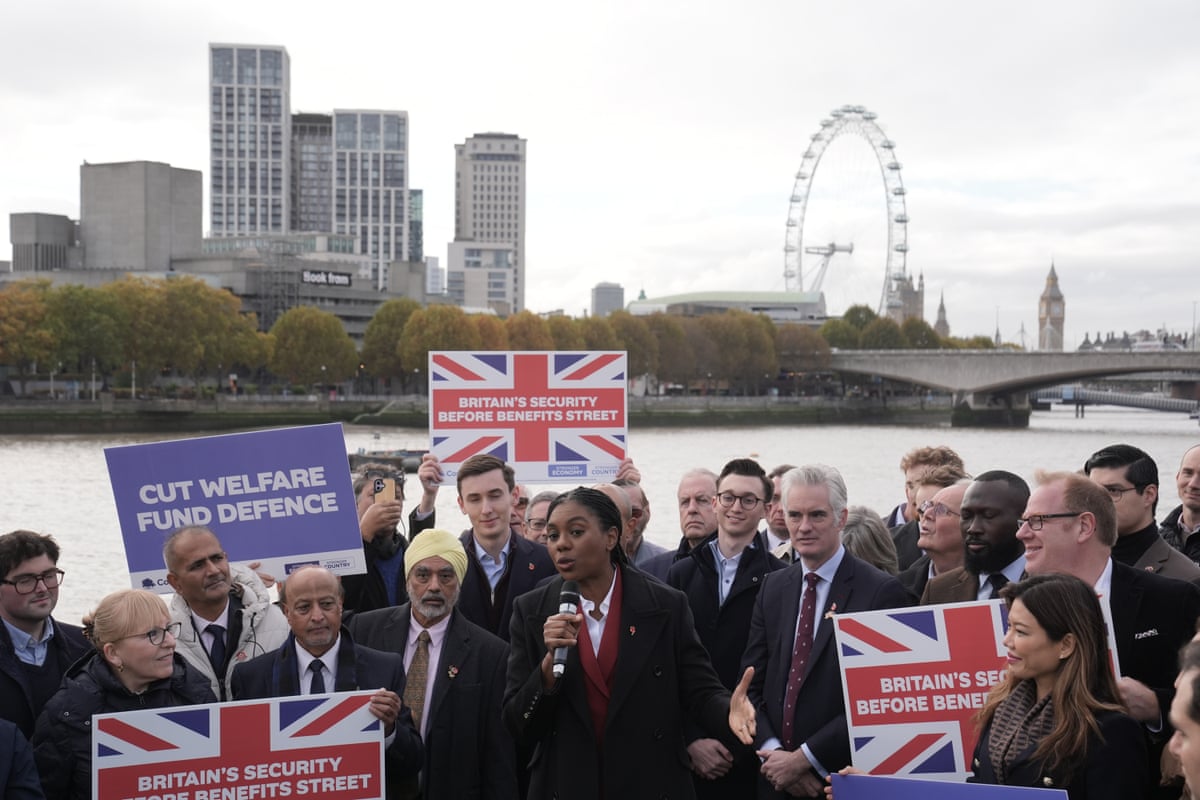
Badenoch expressed concern that the government's negotiating position was weak.
The reason why we left the EU was so we could make our own rules. But if what the government is signing up to is just following EU rules, then what was the point of leaving? They are too scared to actually use the Brexit freedoms that we have.She argued that trade agreements required constant renegotiation and that Labour lacked the expertise to manage this process effectively.
[Burnham] doesn't know how to negotiate. I say this as a former trade secretary. I'm very worried that what he is saying he's going to do is actually going to make things worse, not better.
When pressed on whether closer ties with the EU offered any benefits, Badenoch rejected the premise of the question.
We need to start having a closer relationship with all our allies. What we need to stop pretending that the only way to do that is to be inside the EU. It is a false conversation. The debate has been settled. It's time for us to move on.
What cyber security threats did Badenoch highlight?
In her defence speech, Badenoch outlined several examples of cyber attacks affecting critical infrastructure and commerce across Europe.
Hackers have taken control of supermarket fridges and freezers across Europe, turning up the temperatures and destroying thousands of pounds of food. Imagine someone being able to ruin the food in your local supermarket without ever setting foot inside. North Korean hackers have just stolen more than $6bn in cryptocurrency. Hostile states can steal billions to help finance their regimes without firing a single shot. Hackers targeted power and heating plants in Poland, shutting down equipment at one facility supplying heat to 50,000 people.She argued that the government's recent budget failed to adequately fund defence spending and cyber security measures.
What is the EU-UK food trade deal?
The European Union and the United Kingdom have completed negotiations on a deal to remove checks on imports and exports of food and animal products, including sausages, cheese, leather goods and flowers. The agreement represents an attempt to reduce friction in post-Brexit trade between the two parties, though the precise terms and implementation timeline remain subject to further detail.
When will the new settlement rules take effect?
The revised immigration settlement rules are due to begin appearing in Immigration Rules from December 2026 and are expected to be implemented over the course of 2027. An impact assessment detailing the financial and demographic implications of the changes is expected to be published in due course, though Mahmood did not commit to a specific publication date during her broadcast interviews.
Key Facts
- Mahmood's revised settlement rules exempt approximately 300,000 care workers from extended waiting periods, allowing those who arrived before May 2025 and earn at least £25,000 annually to qualify for indefinite leave to remain after five years.
- The Home Office projects that 1.9 million foreign nationals will qualify for indefinite leave to remain by 2030 under the revised rules, up from 1.6 million under the earlier estimate.
- Burnham has not proposed a formal return to freedom of movement but has opened a debate on Britain's future relationship with the EU, emphasising that public opinion should guide any policy changes.
- Mahmood's modifications are expected to cost approximately £7.5 billion in forgone savings compared with her original November 2025 proposal.
- The new settlement rules take effect from December 2026 and will be implemented throughout 2027.