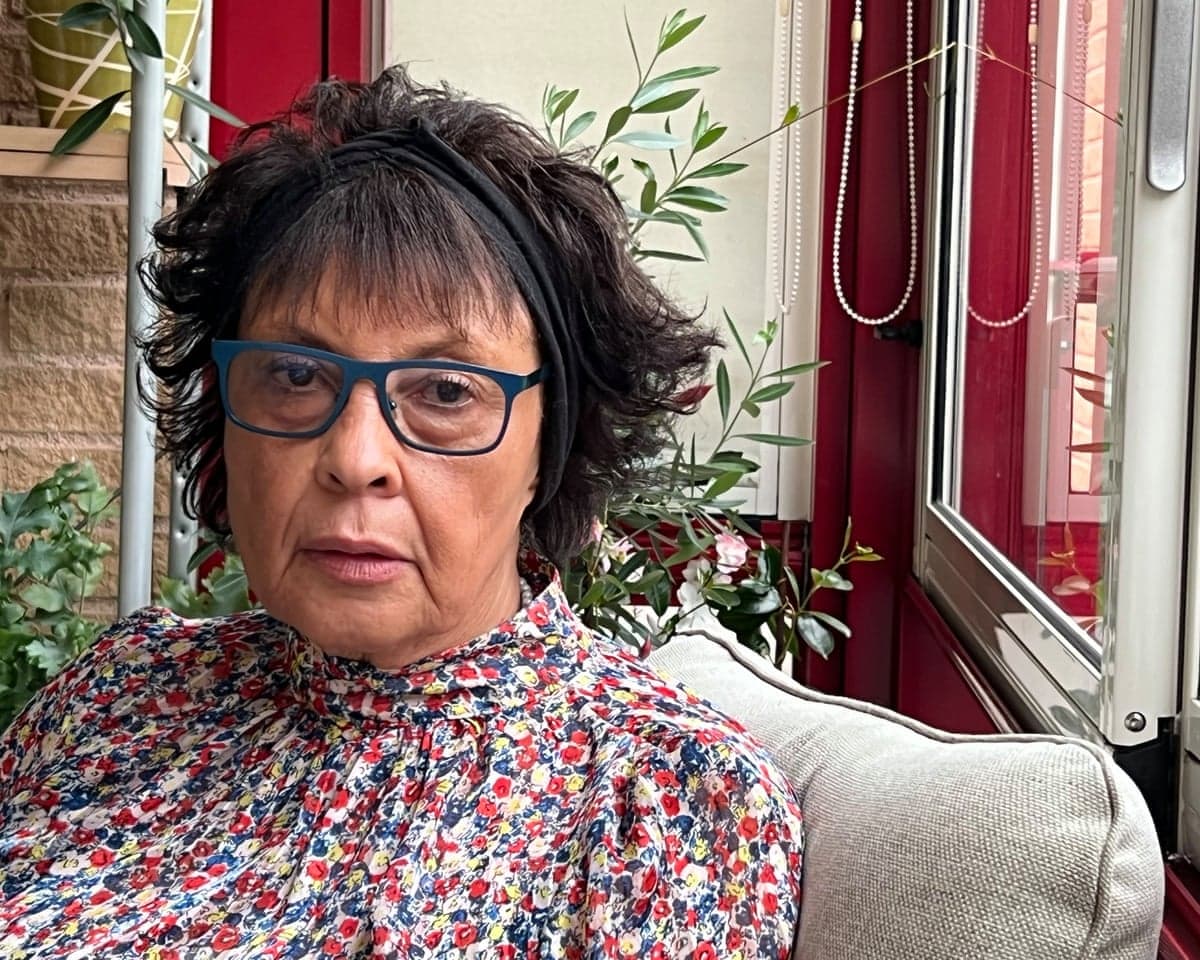
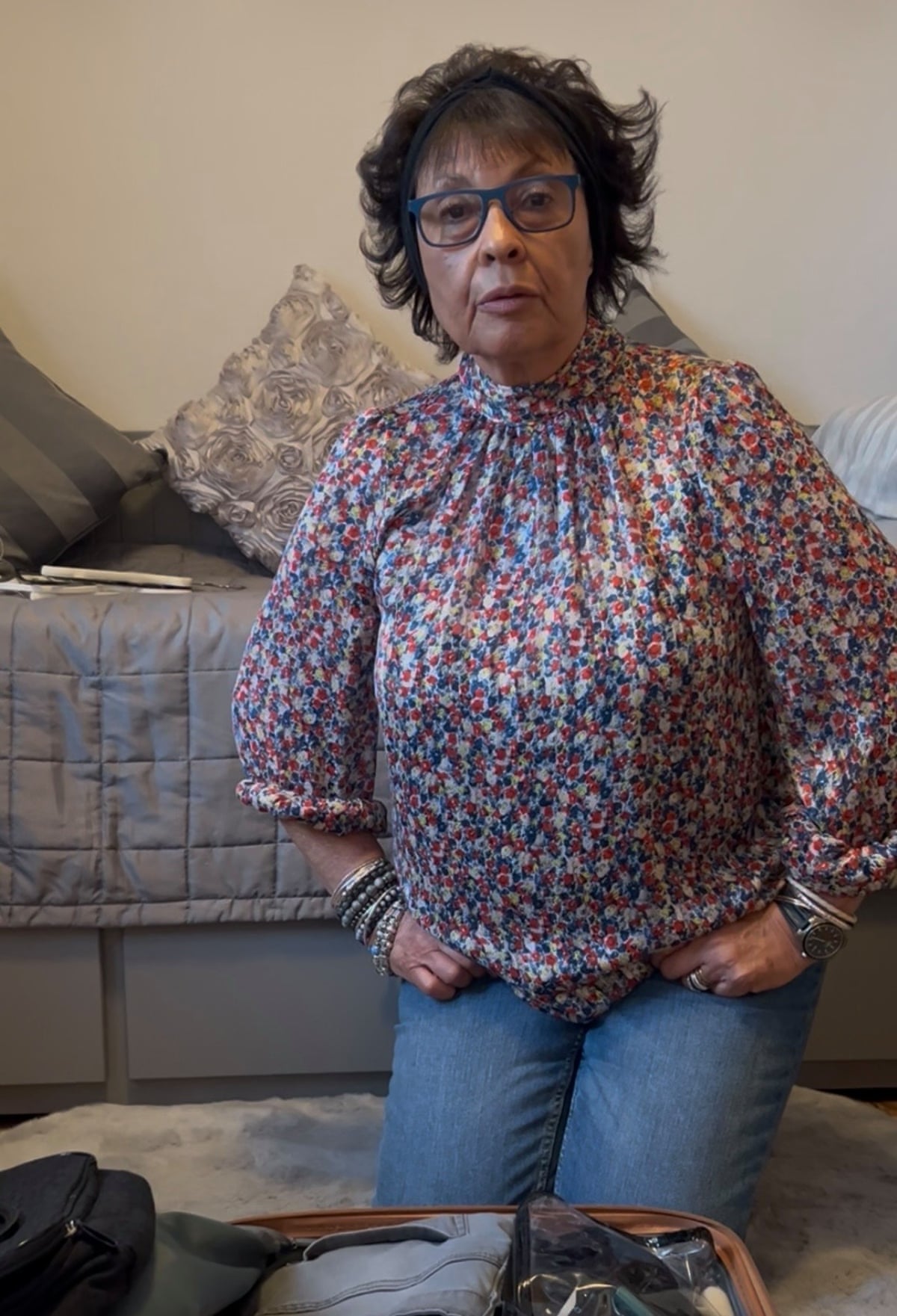
Joyce Thomas, a 78-year-old retired nurse who has made her home in Sweden for 22 years, confronts an imminent deportation order that would separate her from her son, grandchildren, church community, and her late husband's grave. Hours before she was due to be removed from the country, Thomas described the ordeal as a nightmare that has consumed years of her life and left her feeling fundamentally changed as a person.
"I just want this nightmare to go away before I die,"Thomas said while packing her belongings.
"It is dragging me down. I am really not the same person I was. This has taken years. I just feel sick."
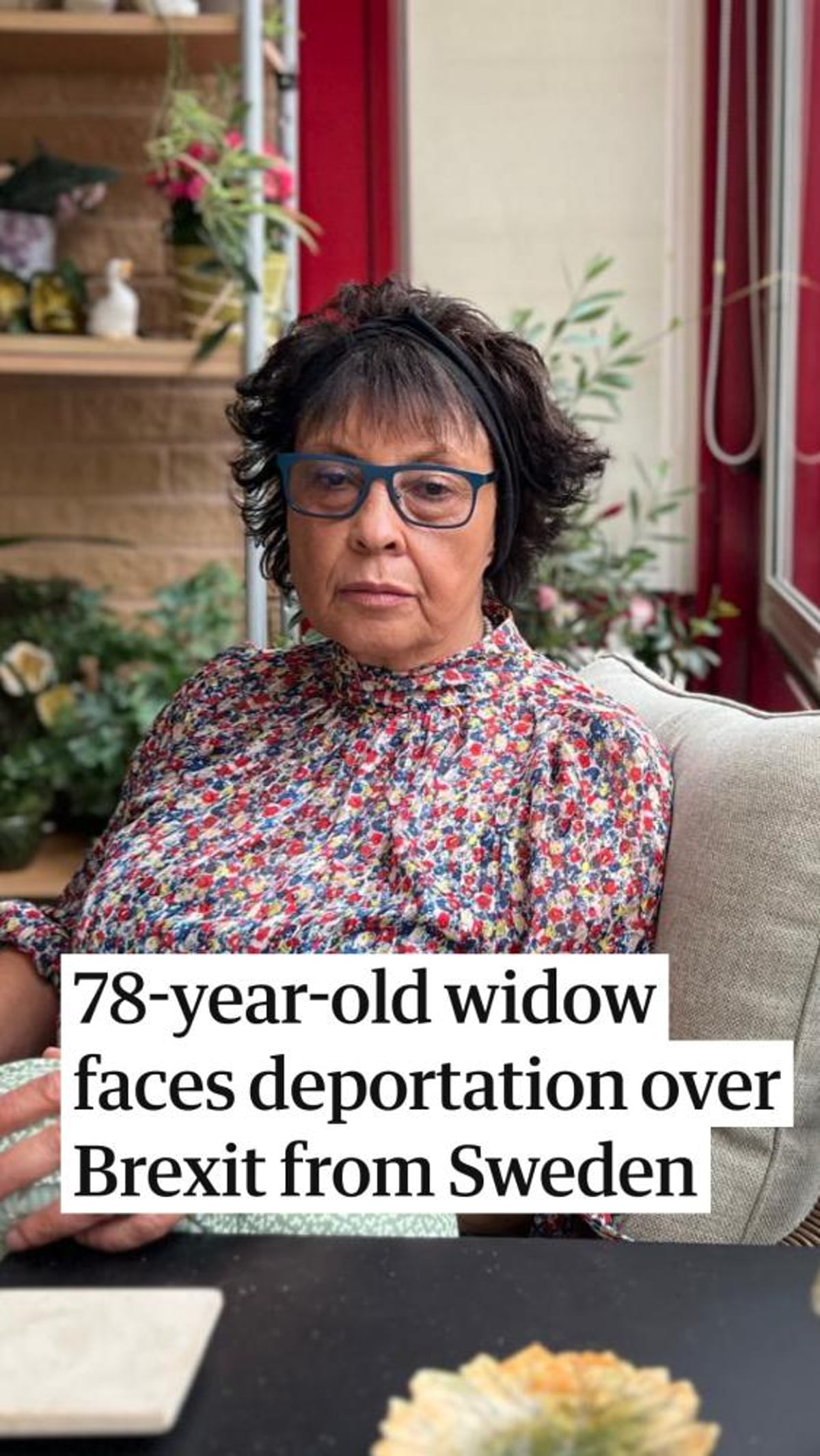
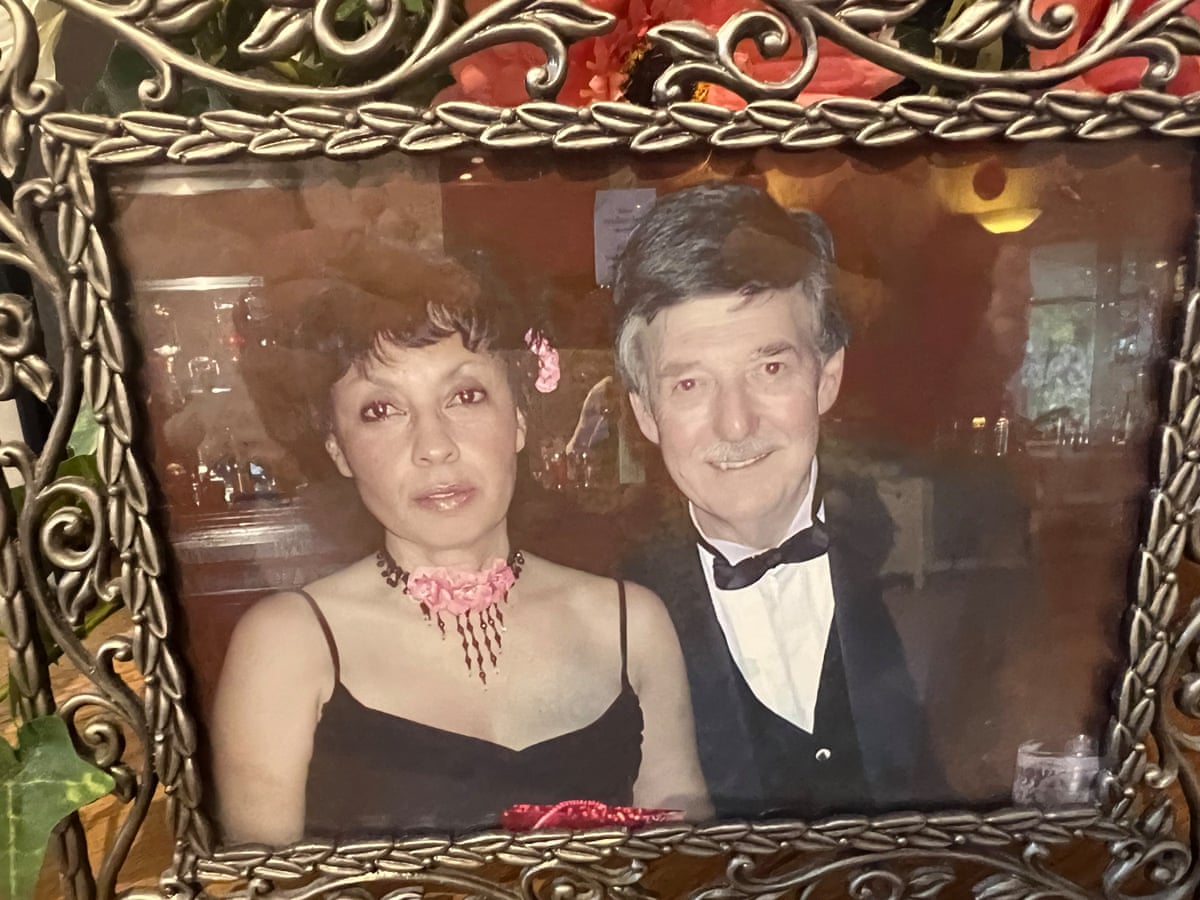
Thomas's predicament stems from a post-Brexit residency requirement that has ensnared hundreds of British nationals across Sweden. In 2022, during a visit to the United Kingdom to see her second son in Brighton, Thomas and her husband Gwynne learned they should have submitted a formal application to remain in Sweden following Britain's departure from the European Union. Her husband, who managed the couple's administrative affairs, had been told previously that no action was necessary after Brexit.
When Thomas filed a late application in 2023, it arrived after the official deadline had passed at the end of 2021. Her husband died of cancer in 2023, leaving Thomas to navigate the bureaucratic process alone. The administrative court in Luleå rejected her appeal in August, and the migration agency determined that ignorance of the application requirement did not constitute "reasonable grounds" for an exception.
How did this situation develop?
Sweden adopted what is known as a "constitutive" system after Brexit, requiring British citizens to formally apply to remain in the country—a more stringent approach than many other European nations took. Thirteen countries, including Sweden and the United Kingdom itself, implemented this system. By contrast, nations such as Spain opted for a "declaratory" system that required only registration, a step many Britons would have already completed at their local town hall.
Campaigners at Brits in Sweden have documented that countless British citizens received either no information or incorrect guidance from authorities about what steps they needed to take following the Brexit transition.
"All I did was make a mistake, a mistake,"Thomas reflected.
"Even with a parking fine they give you notice if you have not paid the fine; why didn't they tell us we had to apply, and send us a reminder? We got nothing, never mind a reminder."
The Swedish migration agency has stated it had no mandate to contact British citizens on the population register to inform them of the requirement. Under the EU withdrawal agreement, late applications for residence permits were permitted if applicants could demonstrate "reasonable grounds" for missing the deadline—a standard the agency has interpreted narrowly.
What is the scale of this problem?
Thomas is far from alone in facing this predicament. According to recent confirmation from Sweden's migration authority, 458 British citizens have been deported or forcibly removed since Brexit took effect. Analysis has shown that Sweden is ordering British citizens to leave at a higher rate than any other EU country in the post-Brexit period.
Last week the migration agency confirmed it had processed multiple removal cases, including a 34-year-old who had been in the country for an extended period and another British businessman who was arrested in Stockholm to be deported. The pattern reflects a broader enforcement approach that has drawn criticism from Swedish parliamentarians and advocacy groups.

What are the personal consequences?
On the Monday before her scheduled removal, Thomas rose at 6 a.m. to thoroughly clean her flat, prepare food for supporters who had rallied around her, and pack her bags for departure to the United Kingdom. Late that evening, she received word that a lawyer had filed a late application for review of the removal order, which temporarily halted the immediate deportation. However, the underlying threat remained.
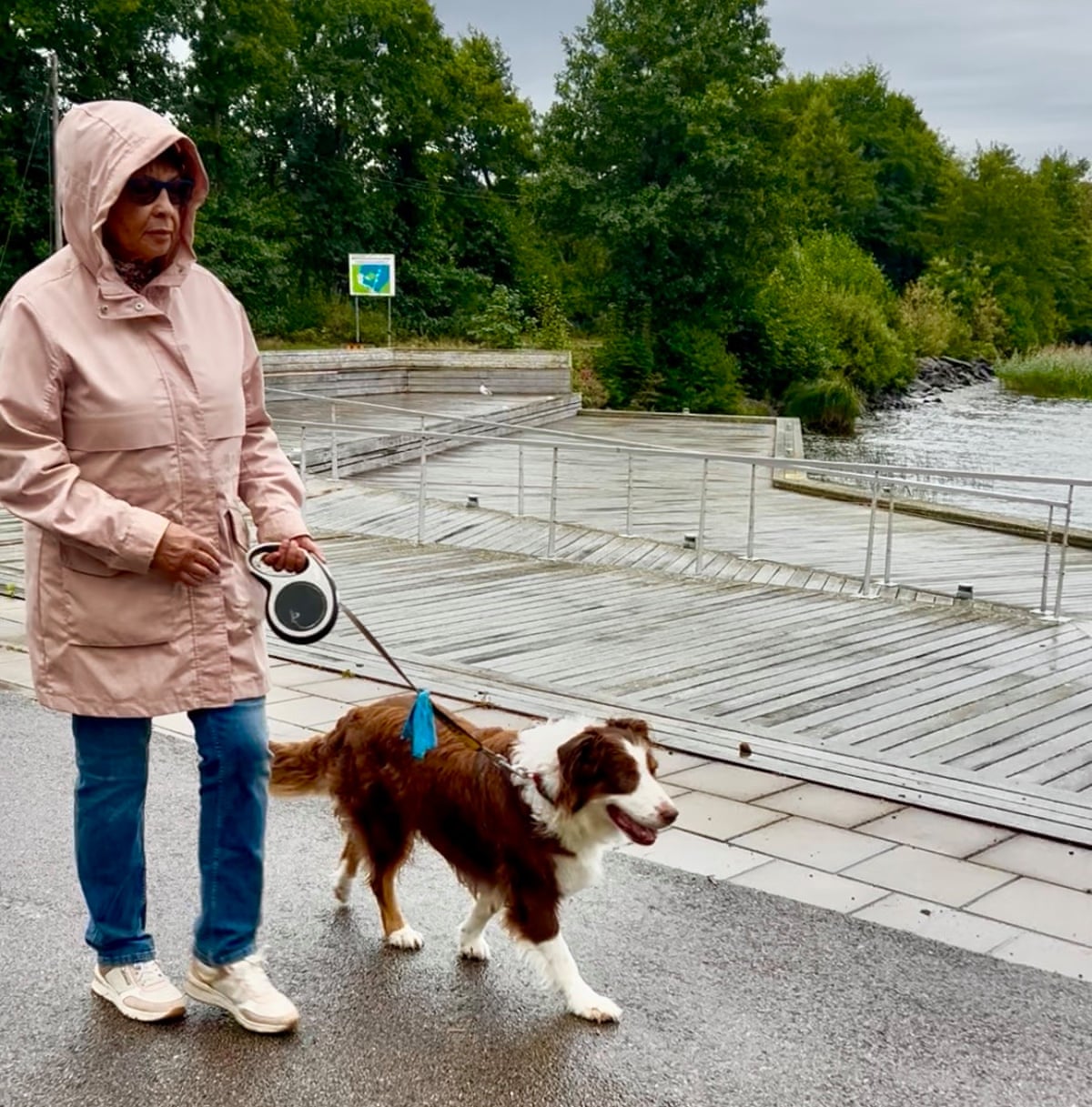
"I am very stressed,"she said, kneeling beside two suitcases with Tia, a collie that a friend had lent her for companionship during the preceding weeks.
Thomas has been candid about the psychological toll the prolonged uncertainty has inflicted.
"This waiting month by month, year by year is like a death sentence. That is how I feel because I am not getting a clear answer [about my future] and I am in limbo all the time."She disclosed that at the outset of the crisis, depression had driven her to contemplate taking her own life.
"At the start of this I was ready to take my life because I was so depressed. I am coping now with a lot of help from good people but it is still hard. Inside I am not coping at all."
Despite projecting resilience to those around her, Thomas acknowledged the emotional reality beneath the surface.
"I am very stressed,"she explained.
"I just want this nightmare to go before I die. I need a peaceful life at my time of life. This is what I want. I just want to get up and be normal."
"I just wish one of those people [in the authorities] had parents in my situation. I think they would think twice because it is the worst thing they can do to a human being,"she added.

What legal warnings has Thomas received?
According to court documents from the appeal process, Thomas was warned that if removed from Sweden, she could face a re-entry ban and be placed on a Schengen watchlist, which would restrict her movement across European borders. This prospect compounds the severity of the removal order, as it would effectively exile her from the continent where she has built her adult life.
What political action has been taken?
Her local Swedish MP, Håkan Svenneling, raised her case in the Swedish parliament, contending that the controversy surrounding British deportations could damage relations between the European Union and the United Kingdom. The opposition Centre Party has indicated it would address the issue if it gains power following Sweden's general election. A British MP whose constituency includes Thomas's son also appealed to the Swedish government on her behalf, though no British minister has made a public statement about Britons being deported from Sweden since the controversy emerged.
According to recent parliamentary questioning, Sweden's migration minister Johan Forssell publicly defended the strict enforcement of post-Brexit removal rules, arguing that the agency has applied applicable law and that opportunities to appeal rejection decisions have been available.
Thomas has appealed directly to the European Commission and the Swedish government to intervene not only for her but for all British citizens who made what she characterizes as an innocent "mistake" by failing to understand Sweden's formal application requirement.
"Please, please can you hear us. We have done nothing wrong. We are not criminals,"she implored.
"People here are suffering mentally, physically. It is cruel. It is inhumane. They must read the papers to know that I am really low. I just feel sick."
What happens next?
Thomas faced an immediate deadline on 8 September to depart Sweden voluntarily or face forced deportation. A lawyer's late application for review of the removal order was under consideration, which could potentially pause enforcement action temporarily. The outcome of that review application remains uncertain, leaving Thomas in continued limbo regarding her future in the country where she has spent more than two decades of her life.