Defence planners working alongside NATO have warned that Europe currently lacks the capacity to endure a sustained conflict with Russia, citing insufficient public preparedness for prolonged warfare. The assessment emerged during discussions at a conference convened by the Munich Security Conference (MSC), a leading independent security foundation, and reflects deepening anxiety that Russia may be prevailing in what officials describe as a hybrid war against the West.
The concern has intensified following Russia's alleged involvement in sabotage operations across Europe. On 4 August 2026, an explosive-laden drone struck near a Ukrainian Antonov cargo plane at Leipzig/Halle Airport in Germany. After weeks of investigation, German officials formally attributed the incident to Russian state actors, with Interior Minister Alexander Dobrindt stating that investigators found the attack fit a documented pattern of Russian hybrid operations. Germany announced retaliatory measures including the closure of a Russian consulate and the summoning of Moscow's ambassador.
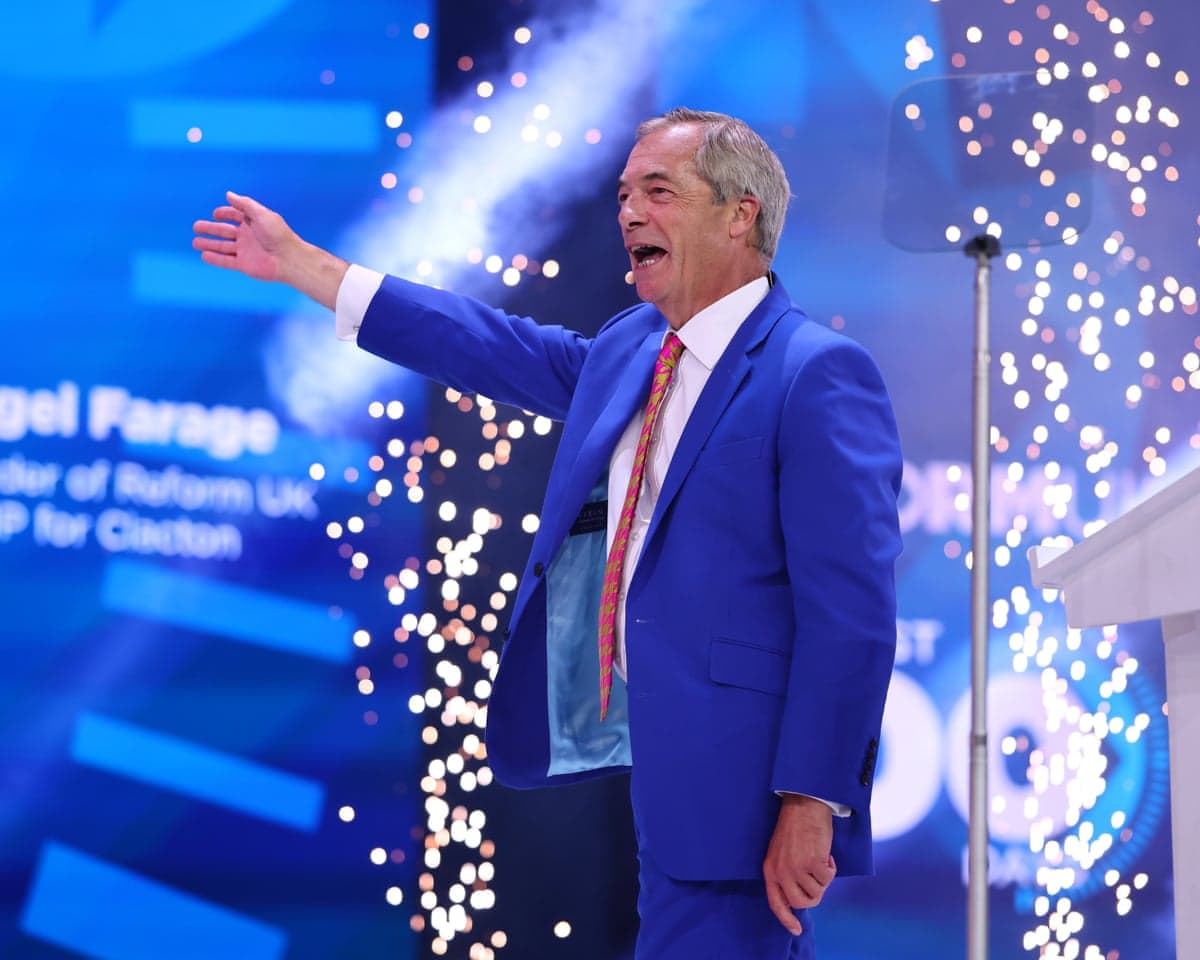
The rise of pro-Kremlin and far-right political movements across Europe's principal military powers compounds the strategic vulnerability. Most populist parties, including Germany's Alternative für Deutschland (AfD), maintain sympathetic positions toward Russia and advocate for an end to the Ukraine conflict. This political shift threatens to undermine proposals for enhanced European defence coordination, particularly a framework involving five major European military states—the UK, France, Germany, Italy and Poland—to assume greater responsibility for continental defence as the United States recalibrates its commitments.

Why has public opinion become a strategic liability?
European publics currently lack appetite for a prolonged war, forcing NATO planners to concentrate on scenarios involving relatively swift military engagement rather than extended attrition. A former British cabinet member acknowledged that the West had performed poorly in communicating to citizens the magnitude of Russia's hybrid campaign. A UK diplomat went further, stating that successive British prime ministers had failed to articulate the scale of the threat facing Europe.
This communication failure has created an untenable political position for ministers, who must persuade unprepared voters to accept reductions in welfare expenditure to finance defence expansion.
"The level of the debate has been at that of a kindergarten,"the diplomat remarked. The UK government's 2025 strategic defence review called for a national conversation on security threats and the building of national resilience, but the administration has not yet adopted this recommendation.
A second diplomat attributed the vulnerability to the collapse of Cold War divisions with Russia, which has enabled Moscow to exploit anxieties held by European publics across the political spectrum. Senior European politicians fear they are being outmanoeuvred, a concern that may materialise in rightwing populist advances anticipated for 2026 and 2027 in Poland, France and Italy.
How is Russia exploiting European vulnerabilities?
Russia operates across multiple domains to destabilise European societies, including social media, artificial intelligence, cybersecurity, databases and critical infrastructure. Italy's Defence Minister Guido Crosetto, a close ally of Prime Minister Giorgia Meloni, has warned that European nations lack defensive mechanisms against such interference.
"We don't have the antibodies and we're penetrable: analyse bots and you'll see it. The increase occurred thanks to social media."he stated at the NATO summit in Ankara this summer.
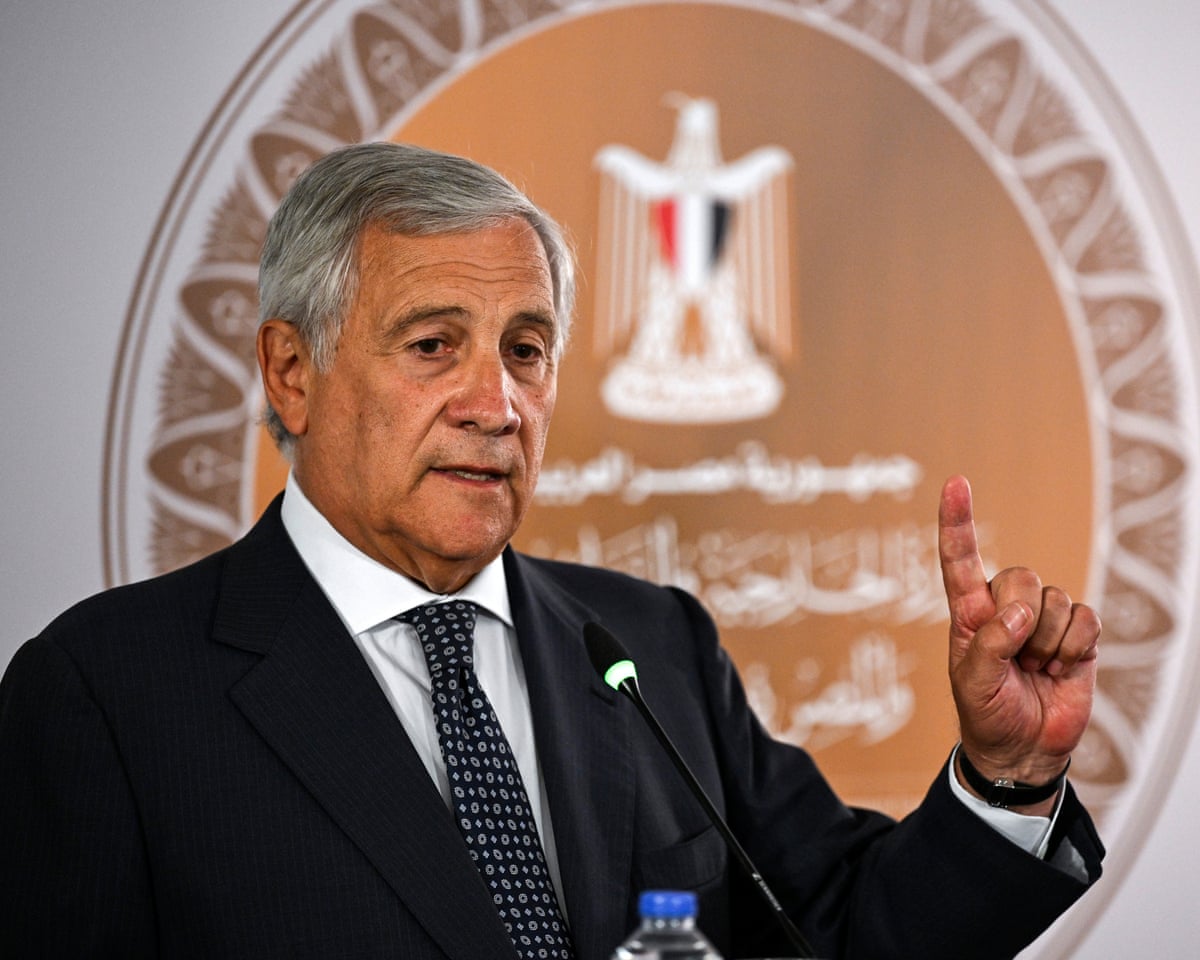
Italy's Foreign Minister Antonio Tajani has publicly cautioned that his country faces daily cyber-attacks and is not immune from potential Russian interference in national elections scheduled for 2026.
"There are many ways to wage hybrid warfare, it is not done using bombs, planes or tanks,"Tajani said. This marked the first occasion an Italian politician has warned that elections could be subject to Russian manipulation.
Crosetto has acknowledged that Russia exploits genuine grievances within European societies, including low wages and economic hardship. He cautioned against attributing all government unpopularity to Russian disinformation, as this risks overlooking authentic malaise affecting Western democracies, including widespread fatigue over the financial and human costs of the Ukraine conflict.

In Italy, Roberto Vannacci, leader of the far-right Futuro Nazionale party, is widely regarded as the probable conduit for Russian messaging in the coming election, which could occur as early as April 2026. When confronted with accusations of serving as a Russian proxy, Vannacci responded dismissively.
"Just discovered that I am a 'Manchurian candidate' sent by the Russian federation to complain about the unaffordable petrol prices in my country Italy. Forgive me, but I still find it hard to accept the idea that dissent from Brussels' orthodoxy is now, in practical terms, tantamount to disloyalty towards the west."
What is the E5 framework and why does it matter?
The MSC has promoted the concept of five principal European military powers—the UK, France, Germany, Italy and Poland—working in substantially closer coordination. This grouping, known as the E5, would bring the UK, which lies outside the EU, into the centre of European defence planning at a moment when Washington is expected to announce decisions on troop deployments that could effectively transfer responsibility for conventional European defence to Europe itself.
The E5 defence ministers already convene regularly but remain in early stages of negotiating joint procurement of capabilities such as integrated air and missile defence systems, deep precision strike weapons and space-based early warning infrastructure—systems currently supplied predominantly by the United States. Germany could prepare new sanctions against Moscow in coordination with allies following the drone incident, potentially strengthening the case for accelerated European defence integration.
Wolfgang Ischinger, chair of the MSC, characterised the current moment as one of stagnation amid mounting external threats.
"Europe is stagnating at a time when the external threats were assuming a dimension which is really very serious. These are really huge and existential challenges requiring greater integration in defence,"he said. Ischinger argued that the E5 framework offers a mechanism for incorporating all European nations possessing substantial defence industrial capacity and may eventually encompass Ukraine within a post-conflict arrangement, given that Kyiv now commands the largest and most advanced military force on the continent.
Proponents of the E5 insist the grouping will neither replicate nor undermine NATO. However, concerns persist that the United States might obstruct a stronger European defence pillar within the alliance.
"The US are better at talking about burden shifting than power sharing,"one diplomat observed.
What role can Ukraine play in European defence modernisation?
Crosetto has sought to reframe European perceptions of Ukraine, positioning it not as a financial burden but as a laboratory for modern warfare and military innovation. He has recruited Ukrainian military leadership as unpaid advisers on defence innovation, a decision Ischinger praised. Ukraine currently manufactures 200,000 drones monthly, with production targets exceeding 7 million units by 2026. To sustain this expansion, more than 500 small and medium-sized enterprises have emerged, assembling drones in modest workshops using predominantly Chinese components.
This manufacturing capacity represents a potential asset for European defence planners seeking to reduce dependence on American supply chains. Earlier analysis highlighted that former NATO leadership has urged the formation of a European coalition including Ukraine to defend the continent amid shifting US defence policies, while Europe faces mounting challenges as US missile stockpiles deplete from concurrent conflicts in Iran and Ukraine, delaying arms deliveries to NATO allies.
What happens next?
Decisions in Washington on US troop deployments are anticipated within the coming months and could fundamentally alter the balance of responsibility for European defence. The scale of hybrid warfare and the potential impact of 2026 elections, combined with the AfD's surge in Germany, were characterised at the MSC conference as
"the elephant in the room."
One proposal under consideration involves the EU publishing a collective statement on the Russian threat, which populist parties would be required to either endorse or reject, thereby clarifying their positions. Germany is expected to advance further countermeasures and possible sanctions in coordination with allies following its attribution of the Leipzig airport incident to Russia. EU officials are currently weighing responses at the European level, with follow-up decisions anticipated in coming weeks.
The Italian government, under Meloni, has become the longest-serving administration since the Second World War while cultivating a pro-Ukraine image internationally, yet faces mounting pressure from both Russian hybrid operations and domestic far-right movements. The convergence of these pressures will test whether European nations can achieve the unified defence posture that security planners regard as essential.
Key Facts
- NATO defence planners assess that Europe cannot currently sustain prolonged warfare with Russia owing to insufficient public readiness and political fragmentation caused by rising pro-Kremlin populist movements.
- Germany formally attributed the 4 August 2026 drone attack at Leipzig/Halle Airport to Russian state actors and announced retaliatory measures including consulate closure and ambassador summons.
- The E5 framework proposes closer defence coordination among the UK, France, Germany, Italy and Poland to reduce European dependence on US military support as Washington recalibrates its commitments.
- Ukraine manufactures 200,000 drones monthly with targets exceeding 7 million by 2026, positioning it as a potential source of military innovation and supply for European defence.
- Italian and German officials have warned that Russia conducts daily cyber-attacks and hybrid operations across Europe, with potential to influence 2026 elections in multiple countries.