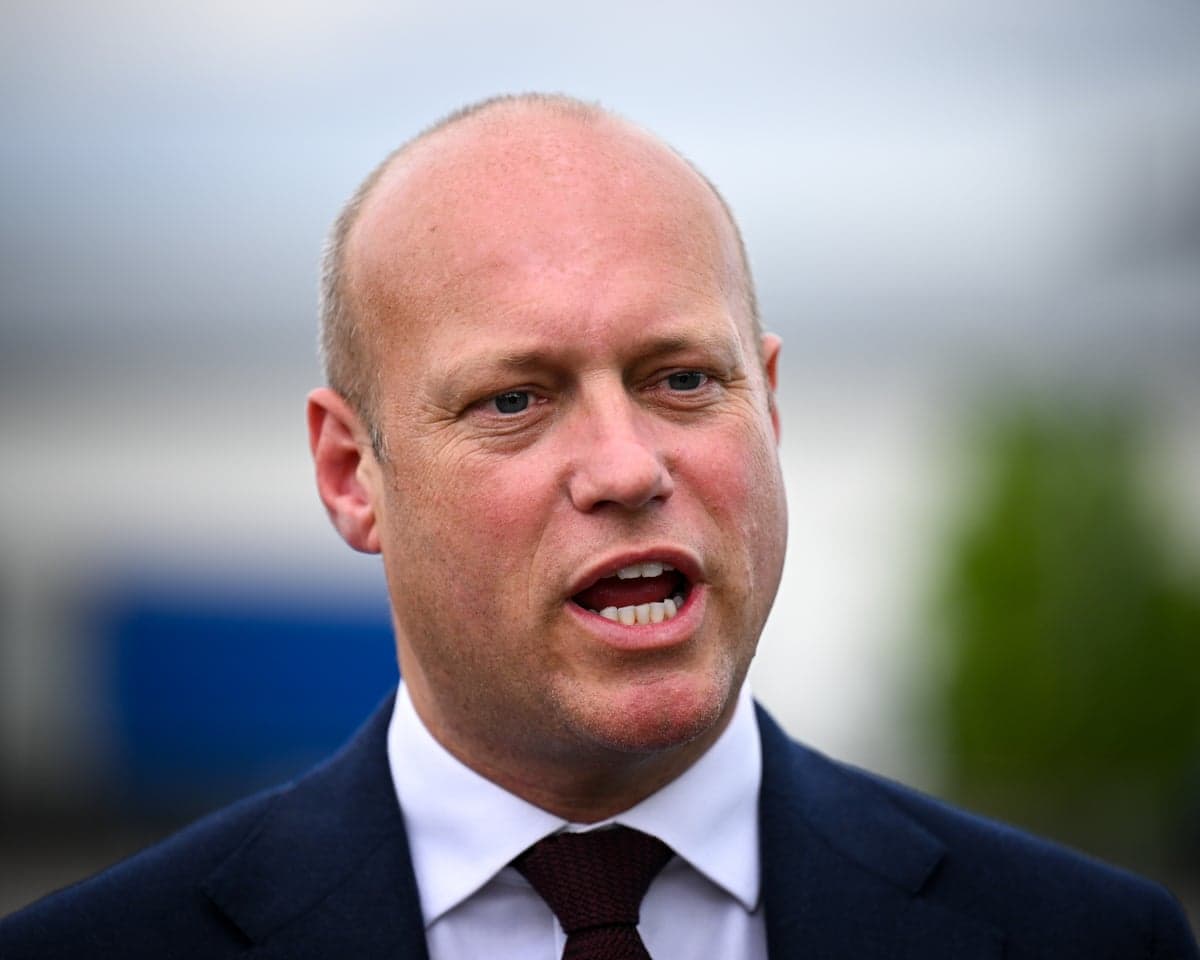
Dan Thomas, who was elected as leader of the opposition in Wales's May parliamentary elections, has resigned from his position as Reform UK's Welsh leader following his arrest on suspicion of assault and controlling or coercive behaviour. The former Conservative councillor, appointed to lead the party in Wales by Nigel Farage in February, announced his decision on Tuesday afternoon, stating he did not wish to become a distraction from his party's work in the Senedd.
Thomas was arrested on Sunday 13 September and released on bail pending further inquiries. Gwent Police confirmed that a 45-year-old man from the Aberbargoed area was taken into custody on suspicion of assault and engaging in controlling or coercive behaviour. In his statement, Thomas maintained his innocence, saying:
Over the weekend, I was reported to the police and was released without charge. I stress that I have done nothing wrong, but I do not want the coming headlines to be a distraction from the fantastic work our Senedd team is doing in holding this government to account.
According to reporting on the resignation, Thomas indicated he would remain as a Senedd member despite stepping down from the leadership role. His decision to resign came on the same day that Reform MS Sarah Cooper-Lesadd announced her defection to Plaid Cymru, marking a significant setback for a party that had invested heavily in establishing itself as a major force in Welsh politics.
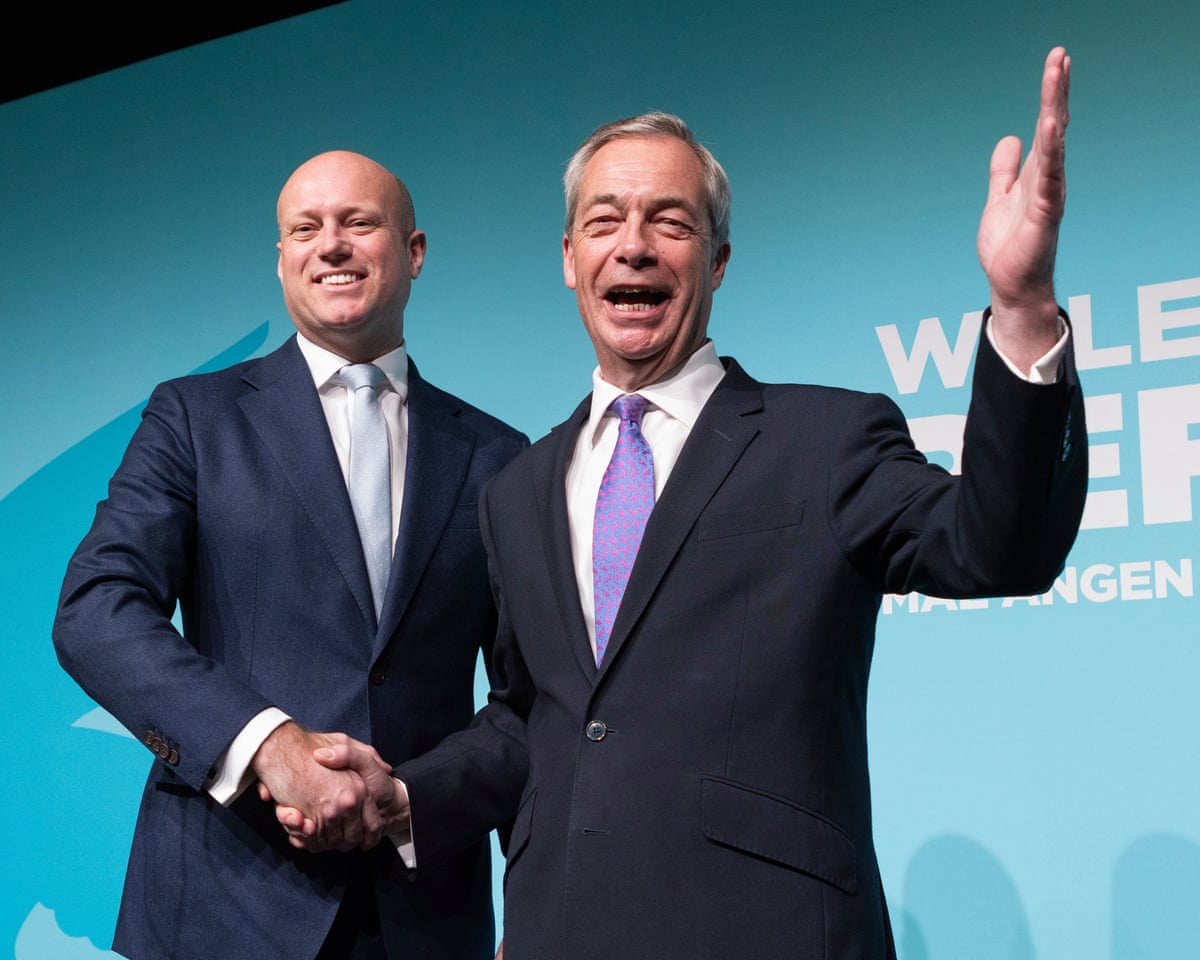
How did Reform UK achieve such prominence in Wales?
Reform UK's emergence as the second-largest party in the Welsh parliament represented an unprecedented breakthrough for the party in Wales. In May's election, Reform secured 34 seats in the newly expanded 96-seat Senedd, finishing behind only Plaid Cymru's 43 seats. The party increased its vote share dramatically from 1% in 2021 to 29% in 2026, outperforming any previous Welsh Conservative result on record. According to additional reporting on the party's performance, Thomas had described Reform as having progressed from "zero to 34 elected members" and characterised it as "the largest opposition group in Welsh history."
Farage's selection of Thomas as Welsh leader was intended to signal a fresh start for the party in Wales. Thomas, a former leader of Barnet council in north London between 2019 and 2022, had defected to Reform from the Conservative Party in summer 2025. He stood down as a councillor in December to relocate to his hometown in the south Wales valleys. The appointment was designed to distance Reform from its previous Welsh leader, Nathan Gill, who was imprisoned for accepting bribes in exchange for making pro-Russia statements while serving as a Member of the European Parliament.
What tensions had emerged within Reform's Welsh group?
Despite Reform's electoral success, the party's performance in the Senedd since May has been marked by internal difficulties and unparliamentary conduct. Frequent reports of infighting within the Reform group have surfaced, and the perception that Thomas was parachuted in by party headquarters rather than emerging organically from the Welsh membership created friction. According to reporting from the national broadcaster, Reform had already opened an investigation into a separate incident involving one of its audience members, indicating the party was grappling with wider internal fallout beyond Thomas's situation.

Thomas notably remained silent on Monday when nationalist first ministers from Wales, Scotland and Northern Ireland declared that "Westminster's time is coming to an end," a statement that might have been expected to prompt comment from the leader of Wales's largest opposition group. His absence from the first plenary session of the new Senedd term and questions for the first minister on Tuesday afternoon was initially attributed to "personal reasons" by Reform.

Why did Sarah Cooper-Lesadd defect to Plaid Cymru?
At almost the same moment Thomas announced his resignation, Reform MS Sarah Cooper-Lesadd revealed she was switching to Plaid Cymru, a party positioned at nearly the opposite end of the political spectrum. Her defection represented a direct rejection of Reform's approach and priorities. Cooper-Lesadd stated:
[Reform UK] … are not serious about governing Wales. They are far more interested in division, opposition and headlines than in finding solutions. Their Senedd group is a staging post in the effort to get Nigel Farage into Downing Street and that was glaringly obvious at its conference this week.
The defection underscored growing frustration within Reform's ranks about the party's direction and its focus on national rather than Welsh politics. Cooper-Lesadd's characterisation of the Senedd group as a stepping stone for Farage's ambitions to reach Downing Street suggested that some elected members felt the party was not genuinely committed to Welsh governance.
How have political opponents responded?
Ken Skates, leader of the Labour Senedd group, seized on the turmoil to criticise Farage's track record of leadership appointments in Wales. Skates said:
Nigel Farage chose to make Nathan Gill his leader in Wales and he turned out to be a Russian asset. He chose to take £5m from a crypto billionaire that triggered an investigation. He chose to meet two men in a pub in Clacton to discuss breaching electoral law. And he chose to make Dan Thomas his leader in Wales, who has now quit suddenly. That Farage and Reform are in such a dire mess is bad enough, but it's also bad for Plaid, welcoming a Reform defector who just a few weeks ago characterised herself as being rightwing.
Skates's comments highlighted a pattern of difficulties surrounding Farage's leadership decisions and the party's broader governance challenges, while also questioning the wisdom of Plaid Cymru's decision to accept Cooper-Lesadd as a member.
What happens next?
Gwent Police has confirmed that Thomas remains on bail pending further inquiries into the assault and controlling or coercive behaviour allegations. No court date has been scheduled, and the police investigation represents the next significant development in the case. Thomas's decision to remain as a Senedd member while stepping down from the leadership role means he will continue to participate in parliamentary proceedings, though his position within the party remains uncertain given the circumstances of his departure.
Reform UK now faces the challenge of selecting a new Welsh leader and attempting to stabilise its group in the Senedd following the twin blows of Thomas's resignation and Cooper-Lesadd's defection. The party's ambitious plans to expand its influence in traditional Labour strongholds across Wales have been significantly complicated by these developments.
Key Facts
- Dan Thomas was arrested on Sunday 13 September on suspicion of assault and controlling or coercive behaviour, and was released on bail pending further inquiries
- Reform UK won 34 seats in May's Welsh parliament election, increasing its vote share from 1% in 2021 to 29% in 2026
- Thomas's appointment as Welsh leader in February was intended to distance Reform from its previous leader Nathan Gill, who was jailed for accepting bribes related to pro-Russia statements
- Sarah Cooper-Lesadd defected from Reform to Plaid Cymru on the same day Thomas resigned, citing the party's lack of seriousness about Welsh governance
- Internal tensions and reports of infighting have characterised Reform's performance in the Senedd since the May election