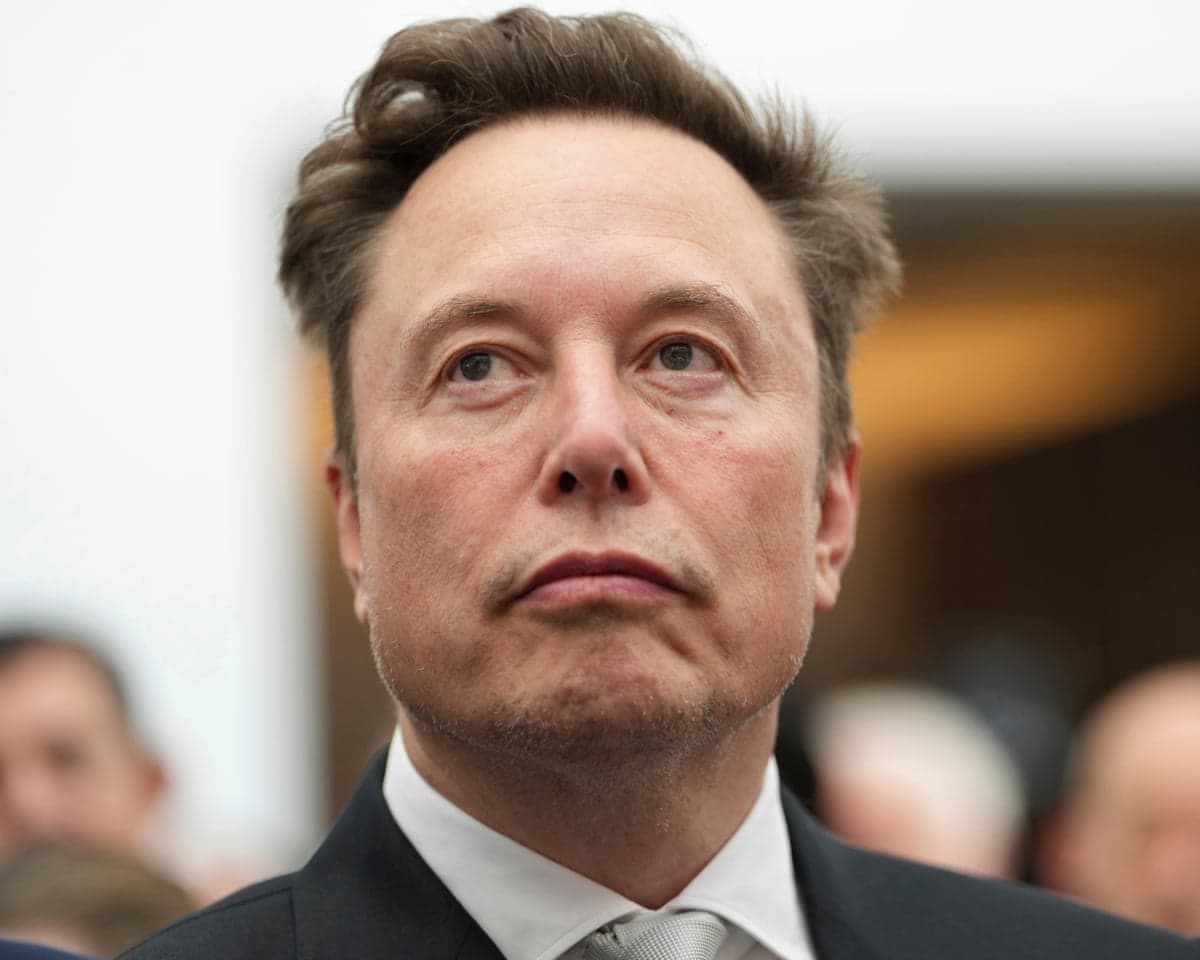
France's foreign minister has accused Elon Musk of using his social media platform to conduct "massive online harassment campaigns" targeting European leaders, framing the allegations within a broader warning about foreign interference ahead of the nation's 2027 presidential election.
Speaking at an Organisation for Economic Cooperation and Development conference on Tuesday, Jean-Noël Barrot highlighted the expanding role of social media in global democratic struggles. He argued that those seeking to undermine democracy had come to dominate the information landscape, deploying methods intended to fracture public discourse and amplify divisions.
"Political movements with authoritarian aims," Barrot stated, "play right into the hands of democracy's declared enemies." These forces, he continued, had been strengthening their position across Europe and North America. "They exacerbate the polarisation of our societies," he said. "Their ultimate goal is clear: to seize power and then create the conditions to never relinquish it."
What threats does France face before 2027?
The French government views the upcoming presidential election as a moment of particular vulnerability to external manipulation. Barrot identified multiple vectors through which hostile actors were attempting to destabilise the country. "The enemies of democracy are doing everything they can to destabilise us," he said. "They exploit our divisions and use immigration, secularism and the Israeli-Palestinian conflict to stoke hatred and tensions."
According to Barrot's published speech, foreign campaigns were also promoting claims that France's 2027 presidential election would be rigged, adding another layer to the interference efforts the minister sought to expose.
Which foreign actors is France concerned about?
Barrot enumerated several examples of foreign interference. He referenced an unnamed Israeli company accused of establishing fraudulent French social media accounts designed to shape perceptions of the Israel-Gaza conflict. He also pointed to Azerbaijan's role in stirring tensions during deadly riots in the French Pacific territory of New Caledonia.
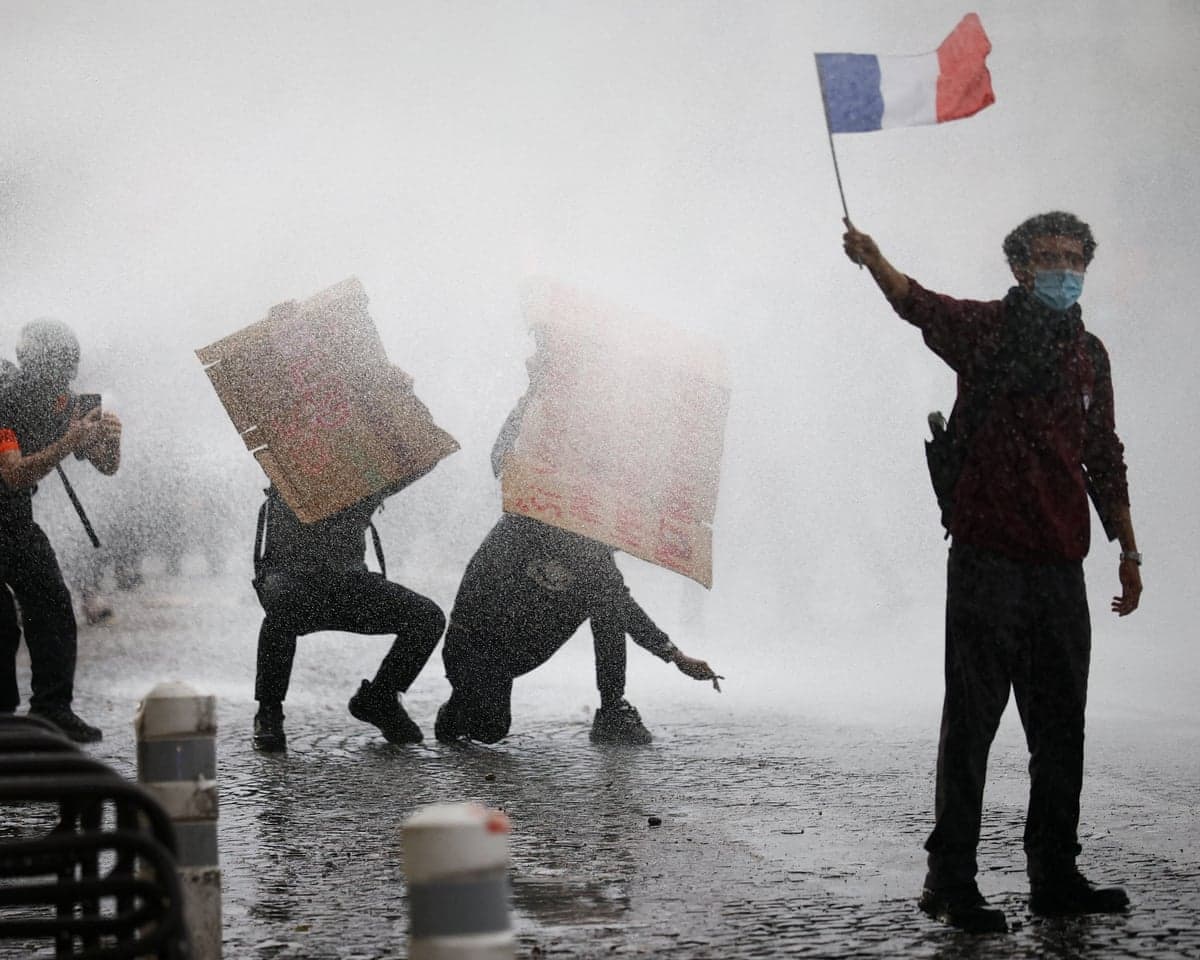
Russia, China, and Iran have all been exploiting protests in France through what Barrot termed "hostile narratives." The minister also identified actors aligned with the Make America Great Again movement in the United States as contributors to these destabilisation efforts. Last week, Musk and US President Donald Trump both commented on protests in France, reframing them through a migration lens while dismissing protesters' calls for improved school conditions.
Why did Barrot single out Elon Musk?
The French foreign minister directly accused Musk of weaponising his platform's reach. "There are massive online harassment campaigns launched by Elon Musk against European leaders, in order to influence debates by exploiting the virality of his social media platform," Barrot said. Musk did not respond to requests for comment on the allegations.
Earlier in October, Musk had criticised Green politician Marine Tondelier after she supported banning X during the election campaign. However, Barrot clarified that foreign political figures expressing support for or opposition to a position did not, by itself, constitute manipulation of public debate, suggesting his concerns about Musk's conduct extended beyond simple political commentary.
How is France responding to foreign interference?
Barrot outlined his government's strategy to counter these threats, emphasising that France would confront paid or commissioned influencers seeking to exploit digital platforms' viral mechanisms. According to statements made by the French government, the nation would not tolerate foreign interference "from wherever it may come," framing the issue as one of national sovereignty.
"The Kremlin's goal is explicitly stated: to put an end to our liberal democracies in favour of a new authoritarianism," Barrot said. "Other actors are converging on this goal, seeking to dictate to Europe which democracies are 'good' and which are 'bad' based on whether they align with their own interests."
Barrot's remarks followed recent statements from the British Prime Minister, who had acknowledged that Russia had interfered in the Brexit referendum, underscoring a pattern of foreign meddling in European democratic processes that France now sought to address proactively.
What happens next?
France's presidential election is scheduled for April–May 2027. The French government has signalled its intention to implement measures designed to protect the electoral process from foreign interference, though specific legislative or regulatory steps have not yet been detailed. Barrot's public accusations suggest that France intends to maintain heightened scrutiny of foreign actors' activities on social media platforms in the months leading up to the election.